

Hear from Our Customers
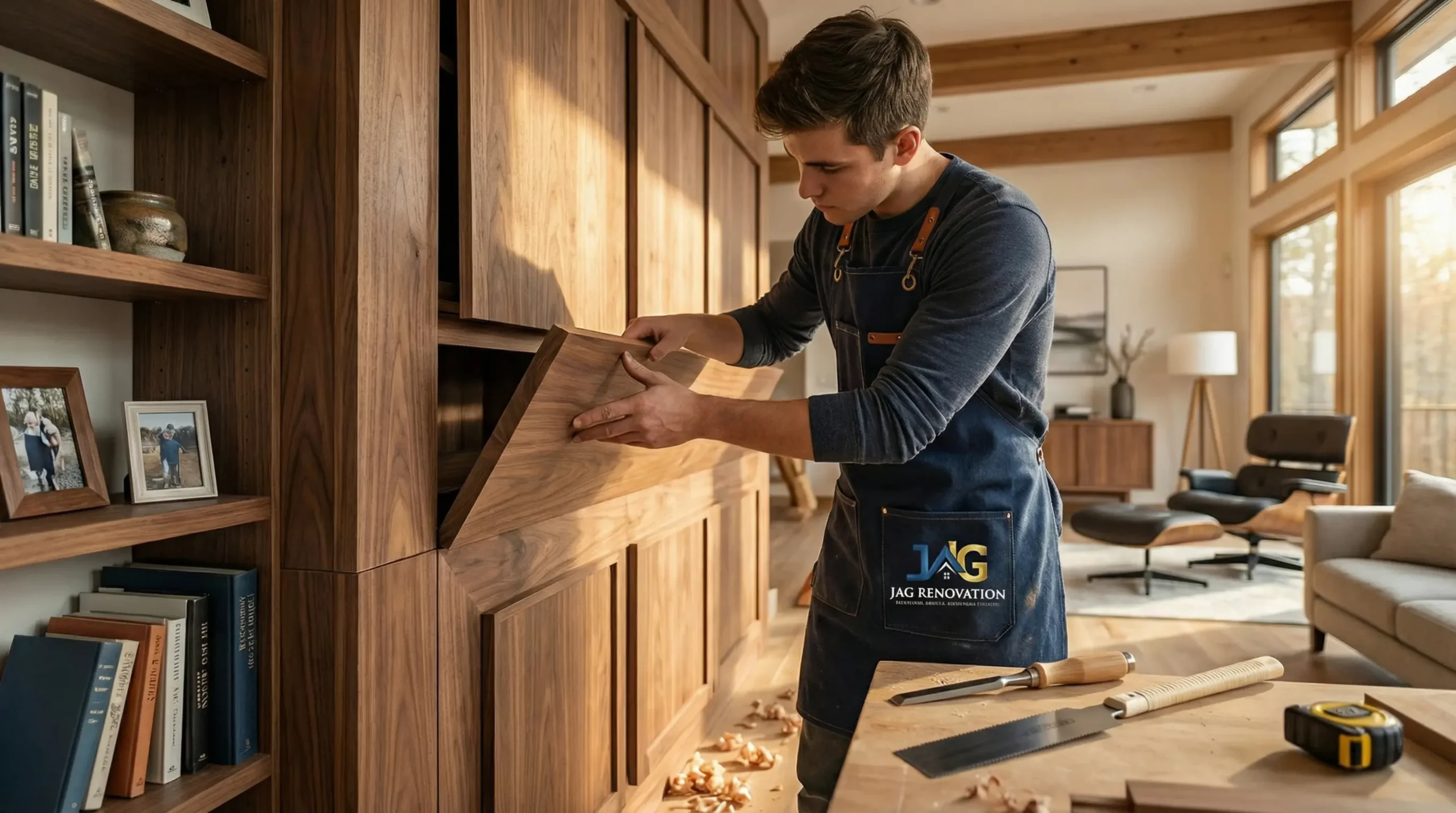
Your home deserves carpentry work that looks like it was always there. Not something slapped together that you’ll notice every time you walk by.
We handle everything from custom trim work to built-ins that actually align with your walls. The kind of finish carpentry where joints are tight, corners meet properly, and cabinet doors close the way they should.
You get work that adds value to your home instead of becoming another thing you’ll need to fix later. No shortcuts, no “close enough” measurements, no hoping you won’t notice the details.
Jaguar Renovation has been handling interior home improvements in Suffolk County for nearly ten years. We’re licensed, insured, and understand what it takes to work within Suffolk County’s building codes and permit requirements.
We focus on transparent communication and honest pricing. No surprise costs halfway through your project, no pressure tactics, no disappearing after we cash your check.
We’ve built our reputation by treating each project like it matters. Because when you’re investing in your home in Smithtown’s competitive market, the work needs to be done right the first time.

First, we come to your home to see exactly what you’re working with. No ballpark estimates over the phone or generic pricing that changes once we see the actual job.
You get a detailed breakdown of what needs to happen, what materials will be used, and how long it will realistically take. We handle permits if your project needs them, and we coordinate with other trades if your renovation involves more than just carpentry.
During the work, you know what’s happening and when. No wondering if we’re showing up, no guessing when we’ll be finished. We clean up our work area daily because your home isn’t our storage facility.
Ready to get started?
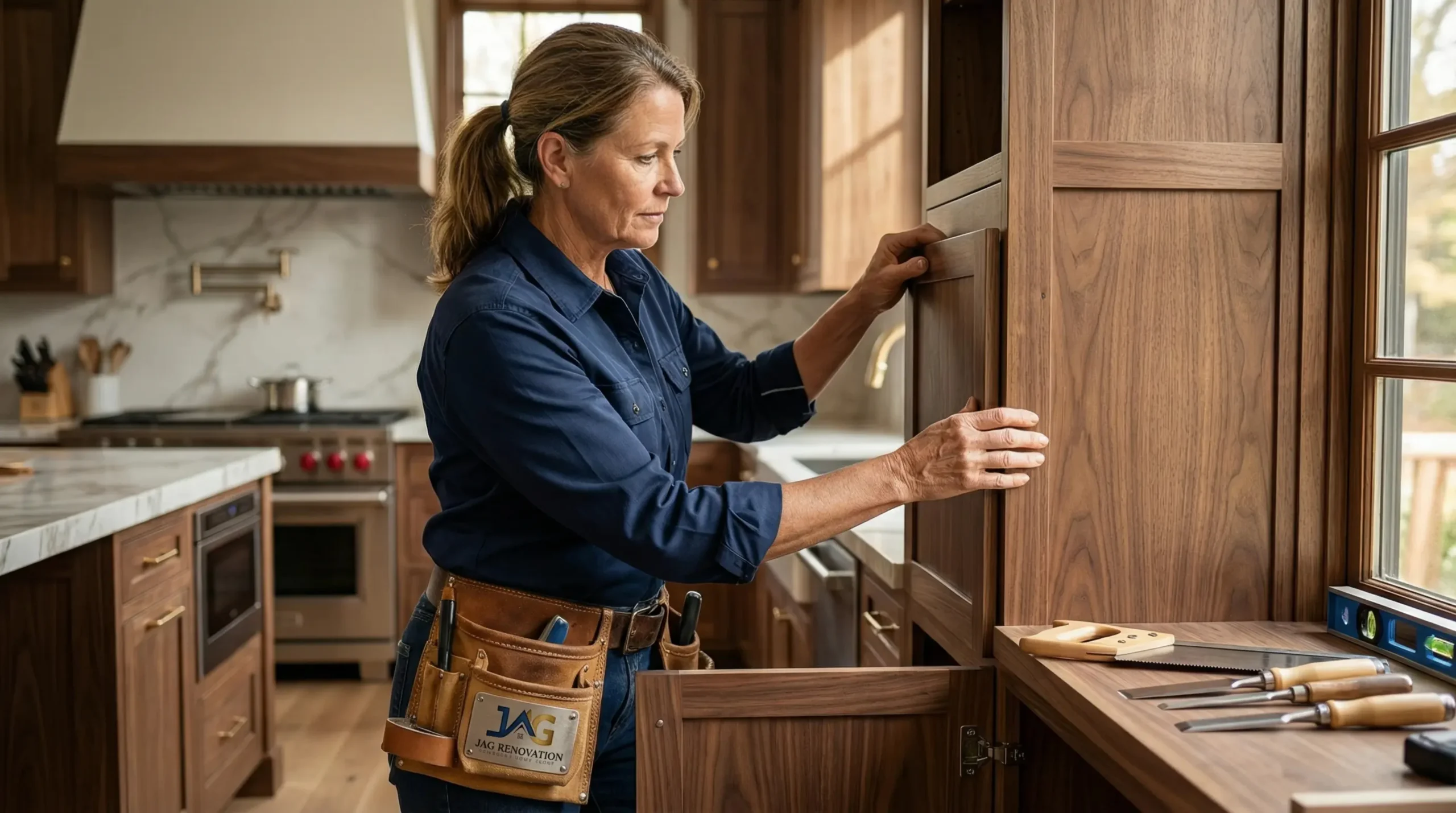
Our custom carpentry work includes built-in shelving, trim work, crown molding, and cabinet installation. We also handle carpentry repairs—fixing doors that don’t close properly, replacing damaged trim, or addressing structural issues before they become bigger problems.
For Smithtown homeowners dealing with homes built in the 1940s-60s, we understand the quirks that come with older construction. Walls that aren’t perfectly straight, floors that have settled, and the challenge of matching existing woodwork.
Our finish carpentry ensures new work blends seamlessly with your home’s original character. Whether you’re updating a single room or renovating your entire interior, we maintain consistent quality across every aspect of the project.

Every home improvement contractor working in Suffolk County must hold a valid Suffolk County home improvement license. You can verify this through the Suffolk County Department of Consumer Affairs.
Licensed contractors are required to carry liability insurance and workers’ compensation coverage. They also understand local building codes and permit requirements, which protects you from code violations that could affect your home’s value or create safety issues.
Always ask to see the license before work begins, and make sure the name on the license matches the business name on your contract. Unlicensed contractors may offer lower prices, but you’ll have no legal protection if something goes wrong.
Rough carpentry involves the structural work—framing, subflooring, and basic construction that gets covered up by other materials. Finish carpentry is what you see every day: trim work, crown molding, built-ins, and cabinet installation.
Finish carpentry requires more precision because every joint, measurement, and cut is visible. It’s where craftsmanship really shows. Crown molding needs to meet perfectly at corners, cabinet doors should close smoothly, and trim work should look like it was crafted specifically for your space.
Most carpentry contractors can handle rough work, but quality finish carpentry takes experience and patience. It’s the difference between work that looks professional and work that looks like it belongs in your home.
Carpentry costs vary significantly based on the complexity of the work, materials chosen, and the level of customization involved. Simple trim work might cost a few hundred dollars, while custom built-ins or extensive finish carpentry can run several thousand.
In Smithtown’s market, quality work isn’t cheap, but it shouldn’t break your budget either. Be wary of estimates that seem too low—they often indicate corners will be cut or that additional costs will appear later.
Get detailed written estimates that specify materials, labor, and timeline. This helps you compare contractors fairly and ensures you understand exactly what you’re paying for before work begins.
Permit requirements depend on the scope of your project. Simple repairs, trim work, or cabinet installation typically don’t require permits. However, structural changes, additions, or work that affects electrical or plumbing systems usually do.
Suffolk County has specific requirements for different types of work. A licensed contractor should know which projects need permits and handle the application process for you. Working without required permits can create problems when you sell your home or file insurance claims.
Don’t assume permit requirements are the same as other areas. Suffolk County has its own building codes and inspection processes. Using a local contractor familiar with these requirements protects you from compliance issues down the road.
Start by verifying their Suffolk County license and insurance coverage. Get everything in writing—scope of work, materials, timeline, and total cost. Avoid contractors who demand large upfront payments or pressure you to sign immediately.
Communication is crucial. Your contractor should explain what they’re doing and keep you updated on progress. If they’re difficult to reach or vague about details before the job starts, those problems will only get worse during the work.
Trust your instincts about the people you’re hiring. Technical skills matter, but so does professionalism and reliability. You’re letting these people into your home and trusting them with a significant investment.
Material quality affects both appearance and longevity. For trim work and molding, solid wood costs more than MDF or composite materials, but it’s more durable and can be refinished if needed. The choice depends on your budget and the level of detail you want.
Consider how materials will look with your existing home features. Matching wood species and finishes creates a cohesive appearance, while contrasting materials can create visual interest if done thoughtfully.
Your contractor should explain the pros and cons of different options based on your specific situation. Factors like humidity, wear patterns, and maintenance requirements all influence which materials make sense for your project.