Looking for trusted carpentry services in Suffolk County? Discover how custom built-ins, trim work, and cabinet installation transform your Long Island home with quality craftsmanship and honest pricing.

Carpentry isn’t just about building things out of wood. It’s about making your home more functional, more beautiful, and more valuable through skilled woodwork. Professional carpentry services in Suffolk County cover everything from the structural elements you don’t see to the finishing details that define your home’s character.
Trim installation is one of the most common requests. Baseboards, crown molding, door casings, and window trim create clean transitions between surfaces and add architectural interest. When done right, trim work looks seamless. When rushed, you’ll see gaps, misaligned joints, and uneven finishes that stand out every time you walk past.
Custom built-ins solve the storage and space problems that standard furniture can’t. Built-in shelving, entertainment centers, window seats, and closet systems are designed to fit your exact dimensions. They use every inch of available space and look like they were always part of the room. Framing work creates the bones of finished basements, room additions, and structural modifications. And woodwork finishing—the staining, sealing, and final touches—protects your investment and brings out the natural beauty of the materials.

Walk into most homes and you’ll see the same problem: furniture that almost fits. Bookshelves with gaps on either side. Entertainment centers that leave awkward spaces. Cabinets that don’t reach the ceiling, creating dust traps and wasted storage.
Custom built-ins eliminate that problem entirely. We measure your space down to the eighth of an inch, then build shelving, cabinets, or storage systems that fit perfectly. No gaps. No wasted space. No compromises.
In living rooms, built-in entertainment centers can house your TV, gaming systems, and media while providing closed storage for the things you don’t want on display. Floor-to-ceiling bookshelves turn empty walls into functional storage and create visual impact. Window seats with built-in storage underneath transform an underused window into a cozy reading nook with hidden space for blankets, books, or seasonal items.
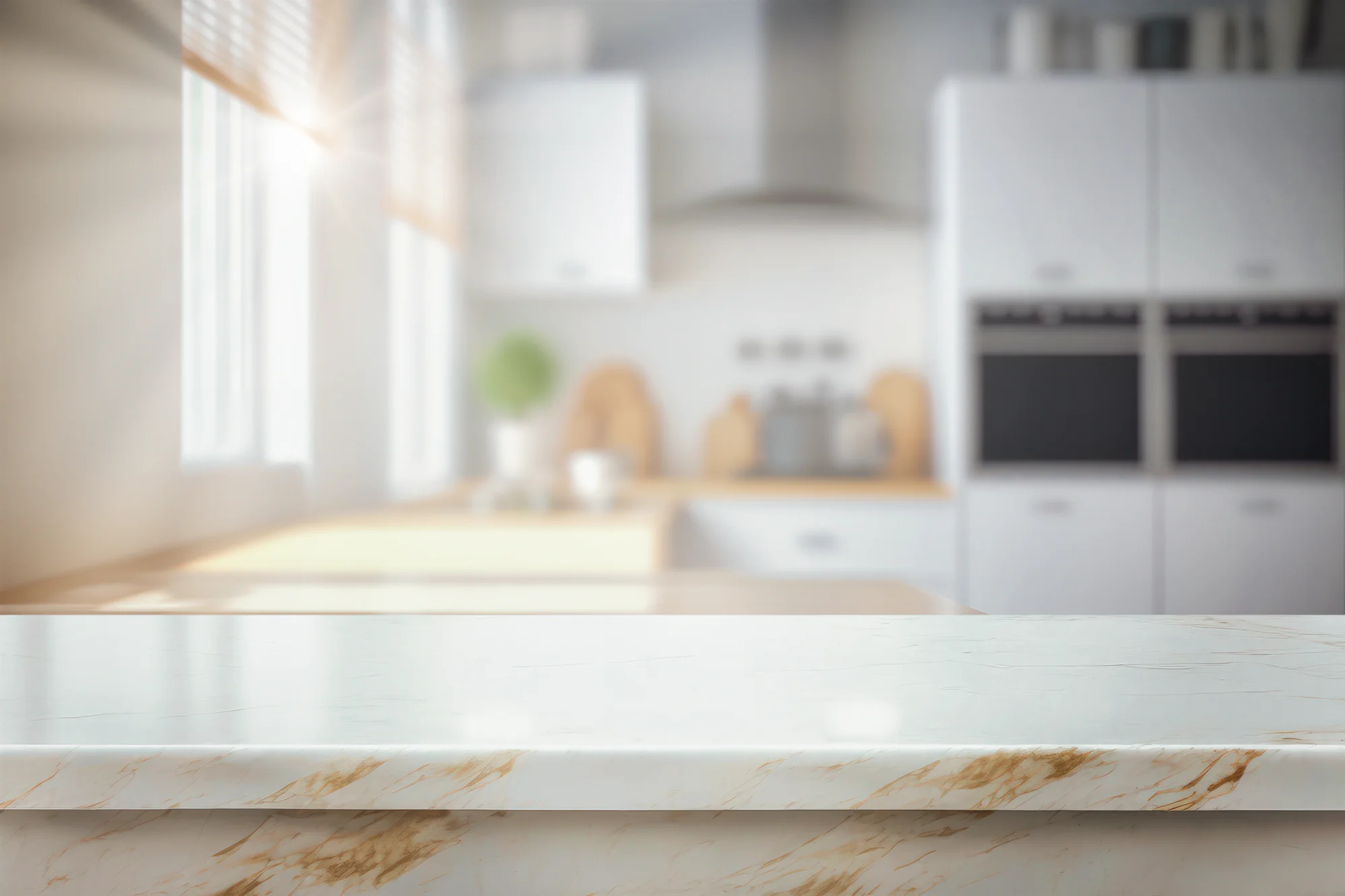
Kitchens benefit from custom pantry systems, pull-out shelving, and cabinet modifications that make cooking and organizing easier. Instead of fighting with corner cabinets you can’t reach or shelves that don’t fit your dishes, custom carpentry creates storage that works with how you actually use your kitchen.
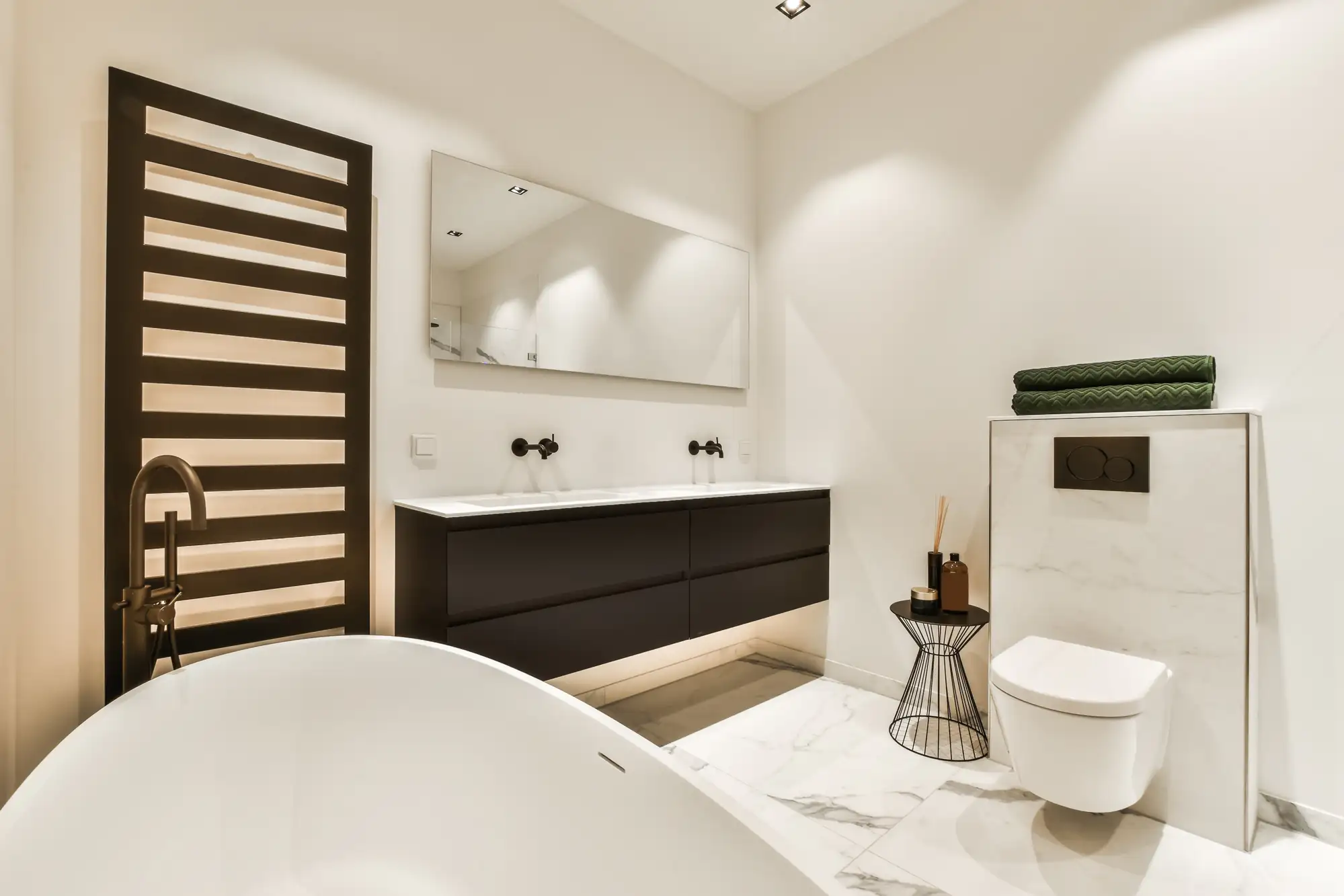
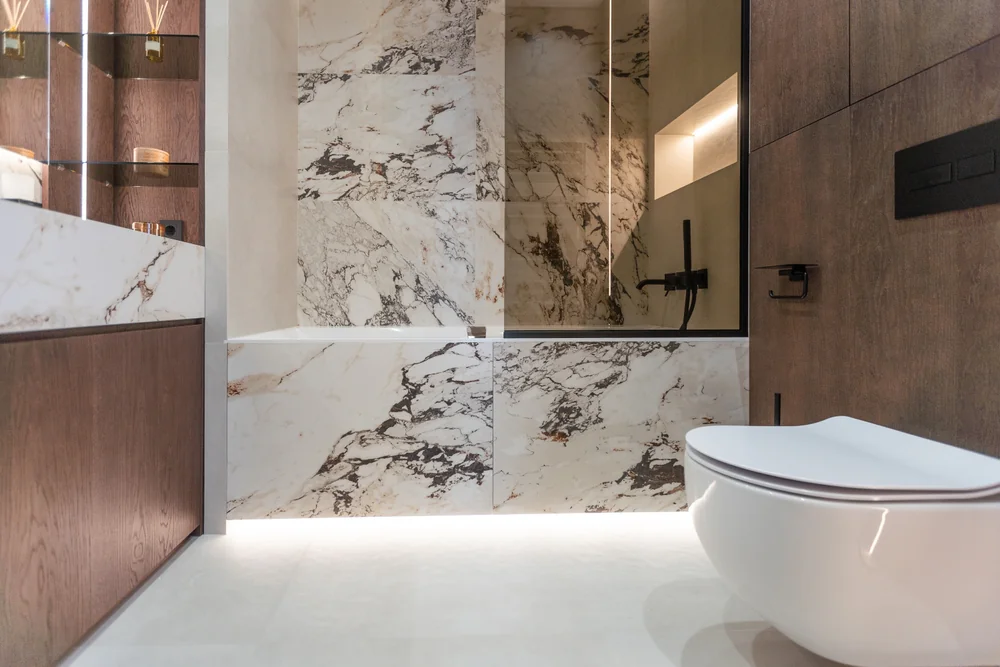
Bathrooms often have the most challenging spaces—narrow walls, odd angles, and limited square footage. Built-in shelving above the toilet, recessed medicine cabinets, and custom vanities with integrated storage turn cramped bathrooms into organized, functional spaces. The work is precise because bathrooms demand it. There’s no room for error when you’re working with tile, plumbing, and moisture-resistant materials.
Basements are where custom built-ins really shine. Finished basements need storage, but you don’t want to fill them with cheap plastic bins and metal shelving. Built-in storage systems, bars with custom cabinetry, and entertainment areas with integrated shelving create finished spaces that feel intentional, not like an afterthought. The carpentry work ties everything together and makes your basement feel like an extension of your main living area, not a place where you just store stuff.
The difference between custom built-ins and store-bought furniture isn’t just aesthetic. Custom work is built to last. It’s secured to studs, constructed with quality materials, and finished to match your home’s style. It adds value to your property because it’s permanent, functional, and professionally executed.
Trim work is where craftsmanship becomes visible. Anyone can nail up a piece of molding. Not everyone can make the corners meet perfectly, the joints disappear, and the finish look flawless.
Baseboards run along the bottom of your walls, covering the gap between the floor and drywall. They protect your walls from scuffs and furniture bumps while adding a finished look to every room. Crown molding does the opposite—it runs along the top where walls meet ceilings, adding elegance and visual height. Door and window casings frame openings and create architectural interest. Chair rails add a traditional touch and protect walls in high-traffic areas.
The quality of trim installation shows up in the details. Perfectly mitered corners where two pieces of molding meet at a 45-degree angle. Coped joints that fit together so tightly you can barely see the seam. Nail holes filled, sanded, and finished so they disappear completely. Consistent reveals around doors and windows that create clean, even lines.
Poor trim work is easy to spot. Gaps between pieces. Uneven lines. Visible nail holes. Paint that doesn’t cover properly because the wood wasn’t prepped. These mistakes don’t just look bad—they affect how your home feels. Sloppy trim work makes even a freshly painted room feel unfinished.
Material choice matters more than most people realize. Hardwoods like oak and maple offer durability and a refined finish, perfect for stained trim that shows off the natural wood grain. Softwoods like pine are cost-effective for painted trim but require careful handling to avoid dents. MDF (medium-density fiberboard) provides a smooth surface for paint and resists warping in humid environments, making it popular for Long Island homes where moisture can be an issue.
The finishing process is just as important as the installation. Pre-finishing trim before installation minimizes fumes, allows for better control, and protects your floors and walls from drips. Staining brings out the wood’s natural character. Multiple coats of polyurethane or paint create a durable, easy-to-clean surface that holds up to daily wear.
In Suffolk County, NY homes, trim work often needs to match existing molding profiles and styles. Historic homes may have intricate Victorian-era trim that requires custom milling to replicate. Mid-century homes might feature simpler, cleaner lines. Modern homes often use minimalist trim or even skip it entirely in favor of clean drywall returns. We understand these style differences and can match existing work or help you choose trim that complements your home’s architecture.
Finish carpentry also includes the small details that complete a room. Installing door hardware so it operates smoothly. Adjusting doors so they close properly without sticking or gaps. Adding transition strips between different flooring materials. Installing closet rods and shelving systems. These aren’t glamorous tasks, but they’re what separate a professional job from a DIY attempt that never quite looks right.
Want live answers?
Connect with a Jaguar Renovation expert for fast, friendly support.
Different rooms demand different carpentry solutions. What works in a kitchen won’t necessarily work in a bathroom. Living spaces have their own requirements. Understanding how professional carpentry applies to each area helps you see possibilities you might not have considered.
Carpentry isn’t a one-size-fits-all service. Each room in your home has unique challenges and opportunities. The key is knowing what’s possible and what’s practical for your specific space and budget.
Let’s look at how carpentry services show up in the rooms where you spend the most time and where quality craftsmanship makes the biggest difference in daily function and long-term value.

Your kitchen is where carpentry meets daily life. Every time you cook, clean, or grab a snack, you interact with carpentry work—cabinets, drawers, shelving, trim. When it’s done well, your kitchen works effortlessly. When it’s not, you fight with sticky drawers, doors that won’t close, and storage that doesn’t make sense.
Custom cabinet installation is one of the most impactful carpentry services for kitchens. Unlike stock cabinets that come in standard sizes, custom cabinets are built to fit your exact space. That means no awkward gaps, no filler strips, and no wasted space. Upper cabinets can extend to the ceiling, eliminating dust-collecting gaps and adding valuable storage. Base cabinets can be modified to fit appliances perfectly or include specialized storage like pull-out spice racks, trash bins, or cutting board drawers.
Cabinet modifications can update your existing kitchen without the cost of a full remodel. Adding soft-close hinges stops doors from slamming. Installing pull-out shelving makes corner cabinets accessible. Building a custom range hood cover turns a utilitarian appliance into a design feature. These modifications extend the life of your kitchen and improve functionality without starting from scratch.
Pantry systems transform storage chaos into organized efficiency. A custom pantry might include adjustable shelving, pull-out baskets, dedicated spaces for small appliances, and even built-in wine racks or coffee stations. The carpentry work creates a system that adapts to how you actually use your kitchen, not how someone else thinks you should.
Islands and breakfast bars often need custom carpentry to integrate properly with your space. Adding seating requires precise measurements to ensure proper overhang and knee clearance. Installing decorative trim, corbels, or beadboard panels turns a basic island into a focal point. Built-in shelving on the ends creates display space or cookbook storage.
Trim work in kitchens serves both practical and aesthetic purposes. Crown molding on upper cabinets adds elegance and creates a finished look. Toe kick trim protects base cabinets from scuffs. Decorative molding on cabinet doors and drawer fronts adds detail and can change the entire style of your kitchen—from traditional to modern to transitional.
The finish work in kitchens needs to withstand moisture, heat, and constant use. That means proper sealing, durable hardware, and materials that won’t warp or deteriorate. We know which materials work best in kitchen environments and how to finish them for longevity.
Bathrooms present unique carpentry challenges. You’re working in tight spaces with moisture, plumbing, and the need for precise measurements. There’s no room for “close enough.” Everything has to fit exactly, function properly, and stand up to humidity.
Custom vanities are often the centerpiece of bathroom carpentry. A well-built vanity provides storage, supports the sink and countertop, and sets the style for the entire room. Custom work means you can choose the exact height (important if you’re taller or shorter than average), depth (crucial in small bathrooms), and storage configuration. Drawers can be sized for specific items. Cabinet doors can be designed to work around plumbing. The finish can match your style, from modern floating vanities to traditional furniture-style pieces.
Built-in shelving solves the storage problem in bathrooms without eating up floor space. Recessed shelving built into the wall between studs creates storage without protruding into the room. Open shelving above the toilet or beside the vanity provides space for towels, toiletries, and decorative items. Medicine cabinets can be recessed into walls for a seamless look or surface-mounted with decorative frames.
Trim work in bathrooms needs to resist moisture. That often means using moisture-resistant MDF, properly sealed wood, or PVC trim that won’t rot or warp. Baseboards protect walls from water splashes. Window and door casings complete the finished look. Wainscoting or beadboard adds character while protecting lower walls from moisture and wear.
Living spaces offer the most creative opportunities for carpentry. Built-in bookshelves turn empty walls into functional storage and display areas. Entertainment centers integrate TVs, sound systems, and storage into cohesive units. Window seats with storage underneath create cozy reading nooks. Fireplace surrounds and mantels become focal points that define the room’s character.
Crown molding, chair rails, and coffered ceilings add architectural interest to living rooms and dining rooms. These details create visual depth and can make rooms feel larger, more elegant, or more intimate depending on the design. The carpentry work defines the style—whether you’re going for traditional, modern, craftsman, or something in between.
Home offices and dens benefit from built-in desk systems, filing cabinets, and bookshelves that create functional workspaces without cluttering the room with freestanding furniture. Custom carpentry can integrate electrical outlets, cable management, and task lighting directly into the built-ins for a clean, professional look.
Basements are where carpentry really transforms space. Framing creates walls and defines rooms. Trim work finishes the space and makes it feel like part of your home, not an unfinished storage area. Built-in bars, entertainment areas, and storage systems turn basements into functional living spaces. The carpentry work is what makes the difference between a basement that feels like a basement and one that feels like a bonus family room or guest suite.
The common thread across all these applications is precision and quality. Good carpentry work fits perfectly, functions smoothly, and lasts for decades. It’s not about cutting corners or getting it done quickly. It’s about doing it right the first time so you don’t have to think about it again.
Here’s what matters when you’re choosing someone to do carpentry work in your home: they show up when they say they will, they communicate clearly, they do quality work, and they charge fairly. Everything else is noise.
You want a carpenter who treats your home with respect. Who explains what they’re doing and why. Who doesn’t try to upsell you on things you don’t need. Who stands behind their work because they take pride in it.
The carpentry work you invest in should last. It should function the way you need it to. It should look good not just the day it’s finished, but years down the road. That’s what separates professional craftsmanship from work that’s just “good enough.”
If you’re in Suffolk County, NY and you’re ready to do carpentry work the right way—with transparency, quality, and honest pricing—we bring nearly a decade of hands-on experience to every project. No hidden costs. No sales pressure. Just straightforward carpentry services and craftsmanship you can count on.
Summary:
Share: