Everything Suffolk County homeowners need for bathroom remodeling success—walk-in shower trends, realistic costs, local permit requirements, and how to spot quality contractors who deliver.
Bathroom remodels consistently deliver some of the highest returns of any interior renovation project. Mid-range bathroom renovations on Long Island typically recoup 70-80% of costs when you sell. That’s real equity you’re building, not just making things look prettier.
But the value extends way beyond resale numbers. A properly remodeled bathroom solves problems you deal with every single day—inadequate storage, poor lighting, outdated fixtures that waste water, ventilation that doesn’t actually work. These aren’t small annoyances. They affect your routine, your comfort, and your home’s long-term condition.
In Suffolk County’s competitive real estate market, bathrooms matter. Buyers expect modern functionality—walk-in showers, decent counter space, storage that makes sense, finishes that don’t look like they’re from 1992. Homes with updated bathrooms move faster and command better prices. Homes with tired, outdated bathrooms sit longer and attract lower offers. The math is pretty straightforward.
A full bathroom renovation means you’re rebuilding the space from the ground up—not just swapping fixtures and slapping on fresh paint. This level of work typically starts with demolition down to studs, then addresses plumbing and electrical systems before anything cosmetic happens.
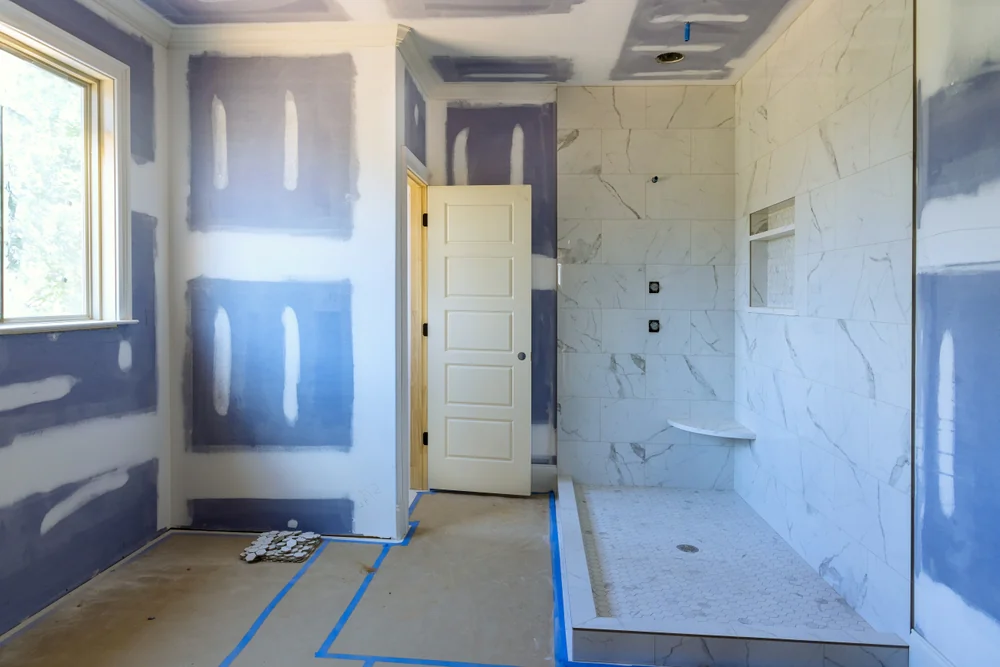
Layout changes might involve relocating fixtures, expanding the shower footprint, or reconfiguring where the vanity sits. Sheetrock gets repaired or replaced entirely to ensure walls are structurally sound and moisture-resistant. Proper waterproofing goes in behind tile—this is what prevents mold and water damage five years down the road. Painting comes after the dusty demolition and installation work wraps up. Flooring goes in last, whether that’s tile, luxury vinyl plank, or another water-resistant material that can handle daily moisture.
The goal isn’t just making your bathroom look better. It’s making it work better and last longer without constant repairs. That means ventilation systems that actually move humid air out instead of just making noise. Fixtures installed correctly by licensed plumbers so you’re not dealing with leaks six months later. Tile work done right the first time so grout doesn’t crack and water doesn’t seep through.
When you commit to a full remodel, you’re also catching problems hiding behind walls—old galvanized pipes that should’ve been replaced years ago, wiring that’s not up to current code, subfloors damaged by slow leaks nobody noticed. Addressing these issues during renovation saves you from much bigger headaches and expenses later. You’re not just updating the bathroom’s appearance. You’re making it structurally sound and built to handle daily use for the next 15-20 years.
Every detail matters in a quality bathroom remodel. The layout should flow logically for your morning routine. Storage needs to accommodate what you actually use, not just look decorative. Lighting should be bright where you need it—at the vanity, in the shower—without harsh overhead glare. And the finishes you choose—tile patterns, paint colors, hardware styles—should create a cohesive look that won’t feel dated in three years.
This level of thoroughness separates contractors who understand bathroom remodeling from those who just want to get in, get paid, and move on. Suffolk County homeowners deserve better than that.
Walk-in showers continue dominating bathroom renovations across Long Island, and for good reason. Homeowners are ditching those cramped tub-shower combos in favor of spacious, frameless glass enclosures with rainfall showerheads and handheld sprayers. The look is cleaner. The function is significantly better. And accessibility improves—no awkward step-over required, which matters whether you’re aging in place or just appreciate easier access.
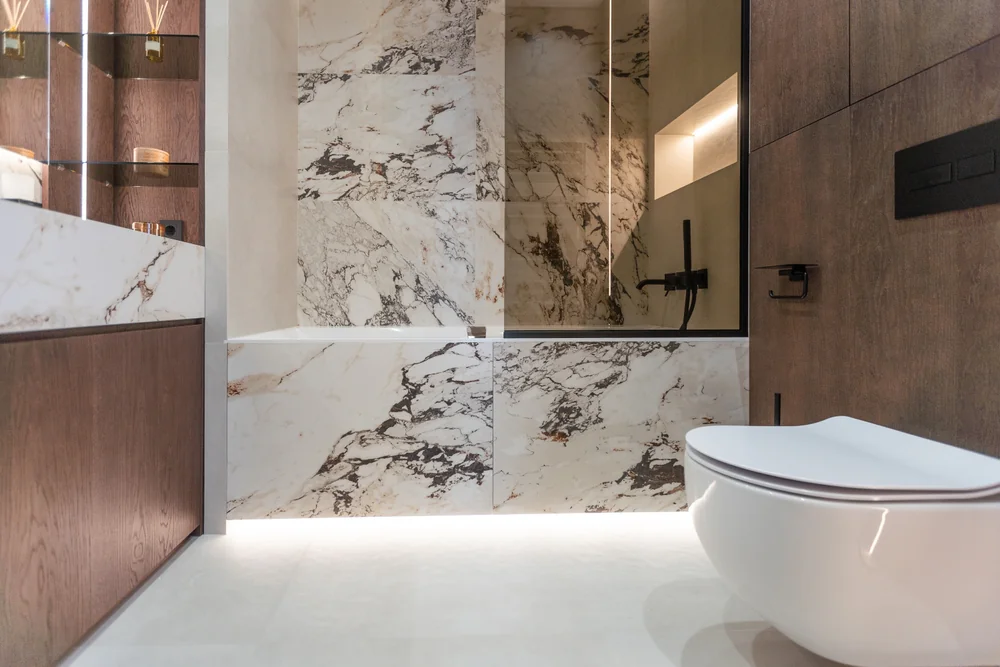
Fixture finishes have shifted dramatically. Matte black and brushed gold hardware are everywhere now, replacing the chrome and brushed nickel that defined bathrooms for the past decade. These warmer, bolder finishes add visual contrast and sophistication without feeling trendy or likely to date quickly. They pair beautifully with the neutral tile and natural materials that Suffolk County buyers actually want to see when they’re house-hunting.
Color palettes are moving away from stark white and cool gray toward warmer, more inviting tones. Earthy beiges, soft terracottas, muted greens—these shades create a spa-like atmosphere that feels comfortable rather than clinical. They work well with wood accents, natural stone countertops, and the organic textures that make bathrooms feel like retreats instead of sterile boxes.
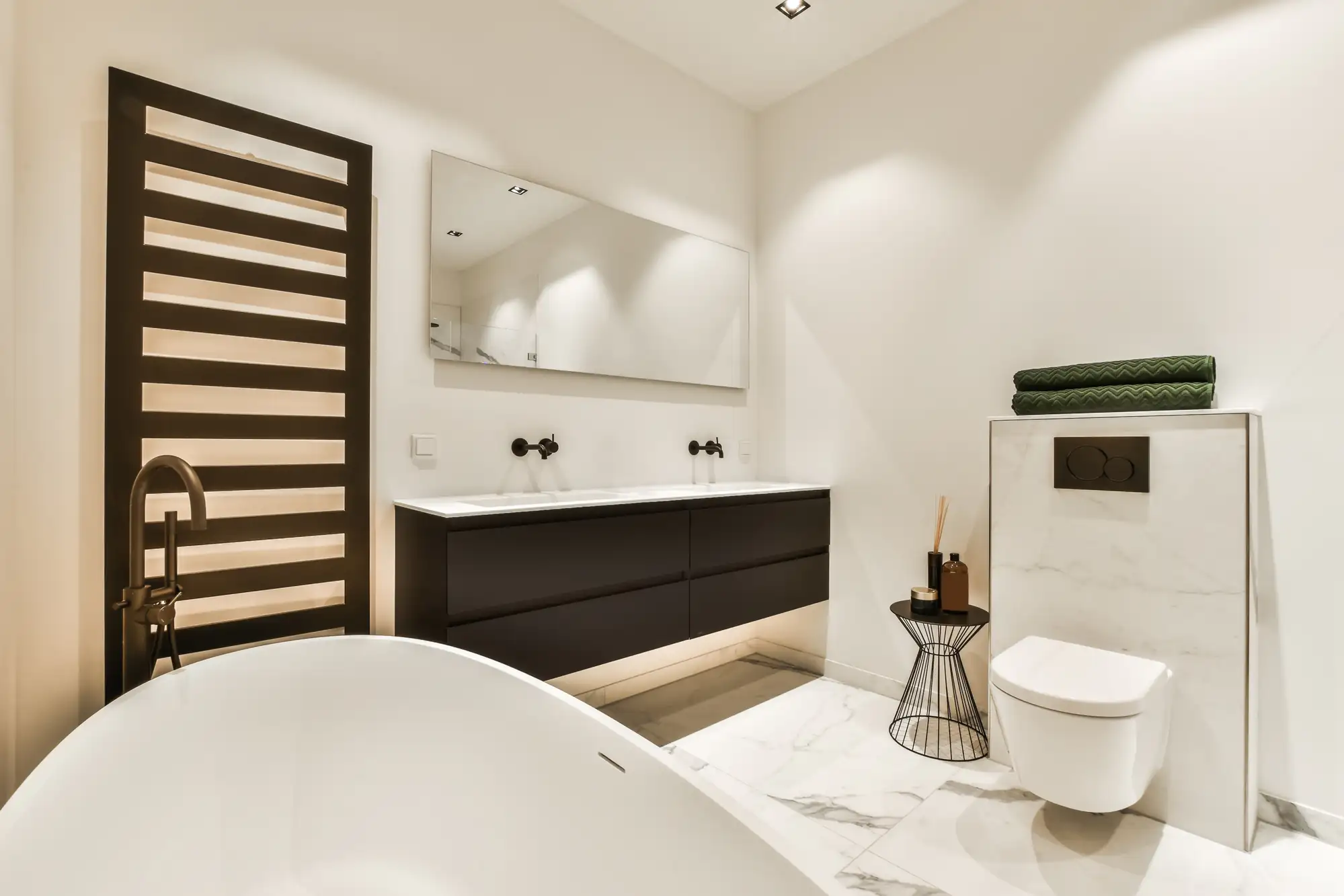
Functionality drives just as many decisions as aesthetics. Double vanities remain hugely popular in master bathrooms, especially for couples who need to get ready simultaneously without fighting for mirror space. Built-in shower niches replace those clunky corner caddies that always seem to rust or fall apart. LED lighting provides better visibility for tasks like applying makeup or shaving while using a fraction of the energy. Heated floors are no longer considered extravagant—they’re a practical upgrade that makes winter mornings in Suffolk County infinitely more bearable.
Storage solutions have evolved beyond a single medicine cabinet and drawer under the sink. Floating vanities with deep drawers, recessed shelving built into walls, custom cabinetry that uses vertical space—these features keep counters clear and essentials organized. People want their bathrooms to feel calm and uncluttered, and smart storage makes that possible without requiring additional square footage.
Sustainability influences more bathroom remodeling decisions now too. Low-flow toilets, water-saving faucets, and energy-efficient ventilation systems reduce utility bills and environmental impact. These aren’t sacrifices—modern fixtures deliver strong water pressure and proper airflow while using significantly fewer resources. They appeal to eco-conscious buyers and simply make financial sense for long-term homeownership on Long Island where utility costs add up quickly.
The common thread across all these bathroom design trends? They prioritize both form and function. Suffolk County homeowners aren’t chasing fleeting fads that’ll look dated in two years. They’re investing in designs that genuinely improve daily life, appeal to future buyers when it’s time to sell, and hold up under years of regular use. That’s the sweet spot for any bathroom renovation—upgrades that serve you now and pay off later.
Want live answers?
Connect with a Jaguar Renovation expert for fast, friendly support.
Bathroom remodeling costs in Suffolk County typically range from $14,800 to $71,000 depending on your bathroom’s size and how extensive the renovation is. A straightforward cosmetic refresh—new fixtures, updated paint, fresh flooring—might land toward the lower end. A complete gut renovation with layout changes, custom tile work, and high-end finishes will push you toward that upper range or beyond.
Most full bathroom renovations on Long Island fall between $17,500 and $35,000 for mid-range projects. That price includes demolition, updated plumbing and electrical systems, new sheetrock, tile installation, vanity, toilet, shower or tub replacement, flooring, painting, and all the finishing details. Labor typically accounts for 40-60% of total costs—contractors and tradespeople in Suffolk County charge between $50 and $150 per hour depending on their experience level and specialty.
Size matters, but it’s not the only cost factor. A small powder room remodel might run $8,000 to $18,000. A standard full bathroom with tub or shower typically costs $16,000 to $36,000. A spacious master bathroom with double vanity, large walk-in shower, and premium materials can easily exceed $40,000. The difference comes down to fixture count, material quality, complexity of installation, and how much you’re changing from the existing layout.
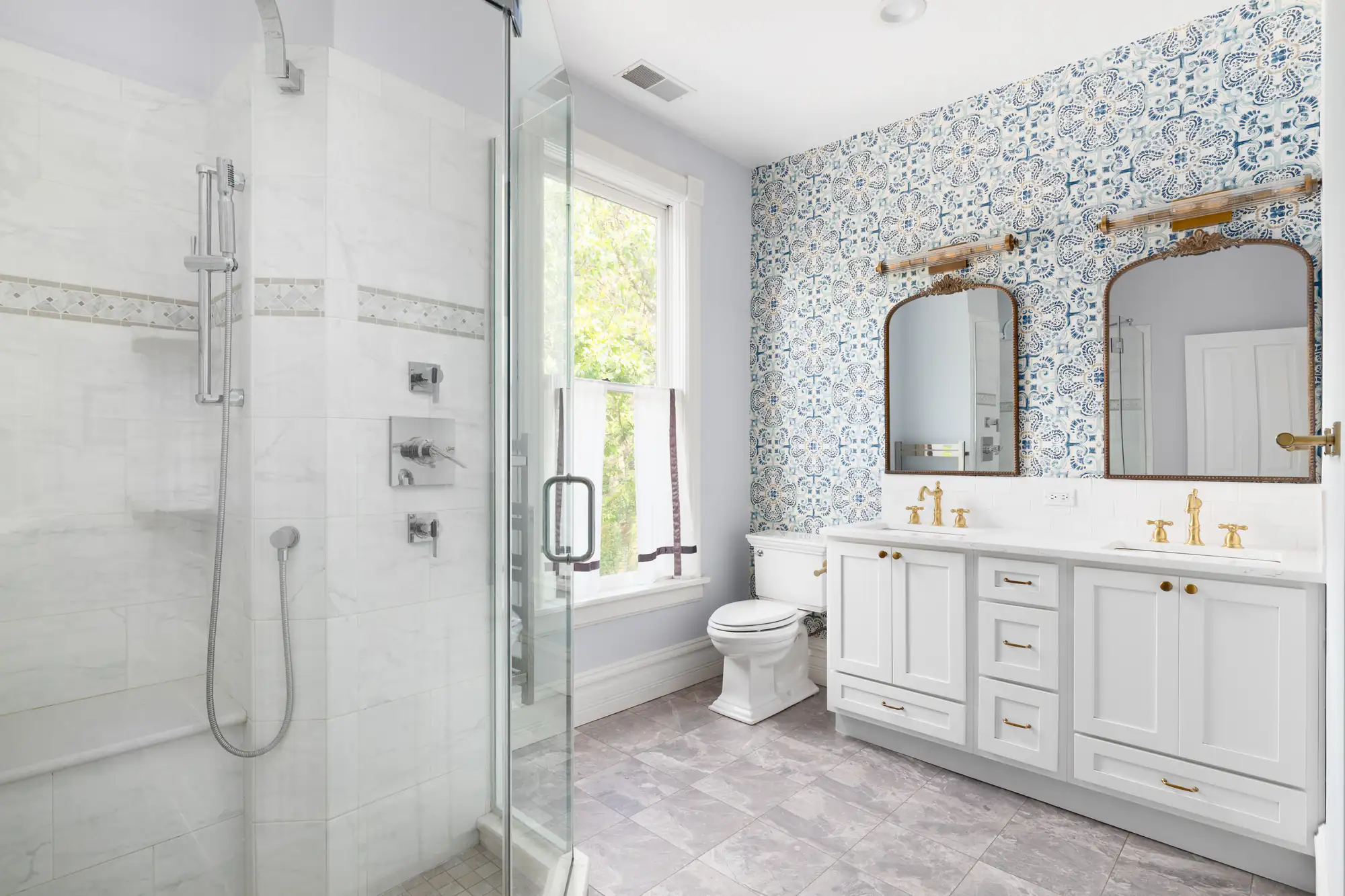
Material choices create the biggest swing in your final bathroom remodeling bill. Builder-grade fixtures and standard ceramic tile keep costs manageable and still look perfectly fine. Custom vanities, natural stone countertops, designer faucets, and imported tile push numbers up fast—sometimes adding $10,000 or more to a project. The gap between budget-friendly and luxury materials is substantial, and it’s where you have the most control over spending.
Labor costs vary significantly based on which trades your project requires. Licensed plumbers and electricians command premium rates because their work requires specialized skills and carries liability. Tile installers price by square footage and complexity—intricate patterns, small mosaic tiles, or custom borders take considerably longer and cost more than straightforward subway tile in a simple pattern. Painters, carpenters, and general contractors each add their own line items to the total.
Layout changes dramatically increase expenses. Moving a toilet means rerouting drain lines through floor joists. Relocating plumbing fixtures requires opening walls and potentially reconfiguring pipes throughout your home. Expanding the bathroom’s footprint means structural work, additional demolition, and significantly more labor hours. Keeping fixtures in their existing locations saves substantial money. If your current bathroom layout functions reasonably well, work with it rather than fighting against it.
Hidden problems discovered during demolition can blow budgets apart. Older Suffolk County homes often reveal outdated wiring that’s not up to current code, subfloors damaged by years of slow leaks, or plumbing that needs complete replacement. These issues must be fixed before moving forward with your bathroom renovation, and they’re nearly impossible to predict until walls come down. Building a 10-20% contingency into your budget helps absorb these surprises without derailing the entire project or forcing you into panic mode.
Permits and inspections add costs that many homeowners don’t anticipate. Suffolk County requires permits for most bathroom remodels involving plumbing changes, electrical work, or structural modifications. Permit fees vary by township and project scope, typically ranging from $500 to $2,000. Skipping permits might seem like an easy way to save money, but it creates serious problems when you sell—buyers’ mortgage lenders often require proof of permitted work, and unpermitted renovations can stall or completely kill a sale.
Timeline affects costs too. Rushed bathroom remodeling projects with unrealistic deadlines may require contractors to work overtime or bring in additional crew members, both of which increase labor expenses significantly. A realistic timeline—usually 3 to 6 weeks for a full bathroom remodel—allows for proper sequencing of trades, material delivery, and inspection schedules. This reduces the likelihood of costly mistakes, rework, or delays that extend the project and your budget.
Quality of workmanship matters more than most Long Island homeowners realize until it’s too late. Cheap labor typically means inexperienced workers, shortcuts, and problems that surface months after contractors are long gone. Leaky showers. Cracked tile. Paint that peels. Fixtures that fail prematurely. Paying skilled tradespeople upfront costs more but saves you from expensive repairs and the frustration of living with subpar results that you’ll eventually need to fix anyway.
Permit requirements in Suffolk County aren’t optional—they’re mandatory for most bathroom remodeling projects that go beyond simple cosmetic updates. Any renovation involving plumbing changes, electrical work, or structural modifications requires permits from your local township’s building department. This isn’t bureaucratic nonsense. It’s how Suffolk County ensures work meets safety standards and protects your home’s value.
Here’s what makes Suffolk County permitting tricky: every township has its own building department with its own specific rules and processes. What passes easily in Babylon might get rejected in Brookhaven. Smithtown’s requirements differ from Islip’s. You can’t assume that because your neighbor got a permit for their bathroom renovation, yours will follow the same path. Each township reviews plans independently based on their local codes and ordinances.
Permit requirements typically kick in when you’re moving plumbing fixtures, adding or relocating electrical outlets and lighting, changing the bathroom’s structural layout, or altering ventilation systems. Even if you’re keeping the same footprint, replacing old plumbing or updating wiring to current code usually requires permits and inspections. Cosmetic changes like painting, replacing a vanity in the same location, or installing new flooring without altering the subfloor generally don’t require permits—but it’s always smart to check with your specific township before assuming you’re in the clear.
The permit process starts with submitting detailed plans showing your proposed bathroom remodeling work. We handle this process for our clients—if a contractor suggests you skip permits to save money or time, that’s a massive red flag about their professionalism and how they operate. Licensed, reputable contractors know the permitting process, maintain relationships with local building departments, and factor permit costs and timelines into project plans from day one.
Inspections happen at various stages during your bathroom renovation. Rough inspections occur after framing, plumbing, and electrical work are complete but before walls close up. Final inspections verify everything is finished correctly and meets code before you get your certificate of occupancy or completion. These checkpoints catch problems early when they’re easier and cheaper to fix, rather than discovering issues years later when they’ve caused water damage or created safety hazards.
Skipping permits creates problems you might not face for years. When you sell your Suffolk County home, buyers’ attorneys and lenders often ask for permits for any renovations done. If you can’t produce them, the sale can hit serious roadblocks. Buyers might demand you tear out unpermitted work, reduce their offer significantly, or walk away entirely. Some lenders won’t approve mortgages on homes with known unpermitted renovations. The money you “saved” skipping permits can cost you tens of thousands when you’re trying to sell.
Working with contractors who understand Suffolk County’s township-specific requirements saves massive headaches. We’ve spent nearly a decade learning which townships move quickly, which require additional documentation, and how to navigate the process efficiently. We build permit timelines into project schedules so you’re not sitting with a demolished bathroom waiting weeks for approvals. This expertise is worth having on your side—it’s the difference between a smooth renovation and a stalled disaster.
A bathroom remodel done right transforms how your Suffolk County home functions and feels every single day. It’s not just about making things look more modern—though a well-designed bathroom renovation certainly beats staring at outdated tile and fixtures you’ve tolerated for years. It’s about solving real problems, improving daily routines, and creating a space that actually works for how you live.
The key is approaching your bathroom remodeling project with clear priorities, realistic budgets, and the right contractor. Understand Suffolk County’s township-specific permitting requirements before demolition starts. Choose materials that balance style with durability and long-term performance. Work with contractors who communicate honestly, deliver quality craftsmanship, and don’t hide costs or pressure you into unnecessary upgrades.
Whether you’re updating a cramped master bath, refreshing a guest bathroom, or preparing your Long Island home for sale, the decisions you make now shape the outcome for years to come. Take the time to plan thoughtfully, and you’ll end up with a bathroom that serves you well, holds its value, and doesn’t require constant repairs or regrets.
If you’re ready to move forward with a bathroom remodel in Suffolk County, we bring nearly a decade of experience helping Long Island homeowners transform their spaces with transparency, integrity, and exceptional results that last.
Summary:
Share: