
Suffolk County requires contractors to be licensed for good reason. Discover why that license protects your home, your wallet, and your peace of mind during renovations.
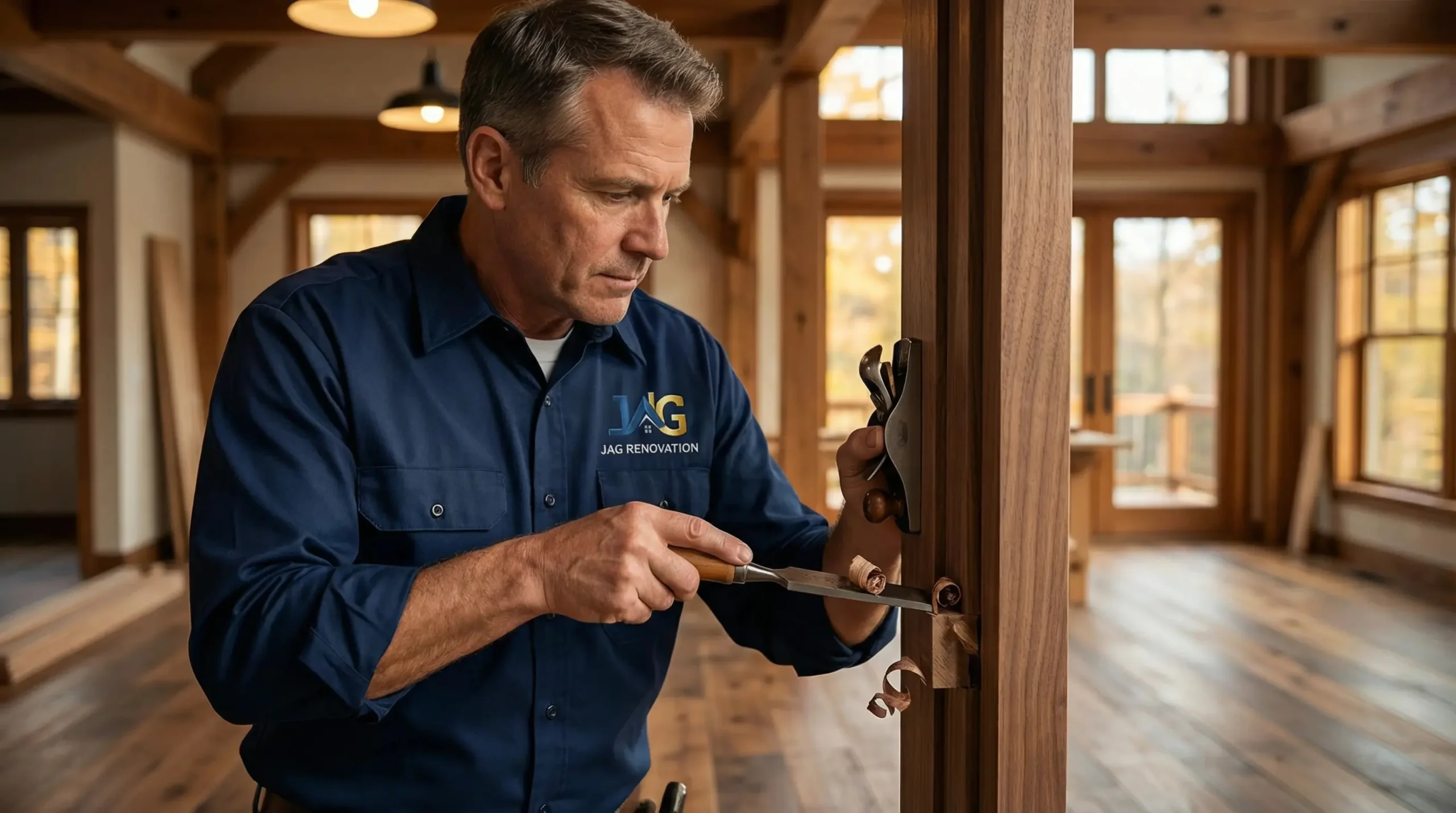
Suffolk County doesn’t hand out home improvement contractor licenses to anyone with a truck and a toolbox. The requirements exist for a reason, and understanding them helps you see why that license matters.
First, contractors take an exam. It’s 25 questions covering Suffolk County’s Home Improvement Law (Chapter 563) and New York State General Business Law (Article 36-A). They need to get 21 questions right to pass. It’s not a Ph.D. exam, but it ensures they understand local regulations, consumer protection laws, and basic legal requirements for the work they’re doing.
Second, they prove they’re insured. That means general liability coverage of at least $500,000 and active workers’ compensation insurance. They submit certificates directly to the Department of Consumer Affairs, and those policies need to stay current for the license to remain valid. No insurance? No license. Let it lapse? The license gets suspended.
Third, they go through background checks. Fingerprints get submitted. Criminal history gets reviewed. Suffolk County wants to know who’s working in your home.

Here’s a scenario that happens more often than you’d think: A contractor’s employee is installing your new kitchen cabinets. He’s on a ladder, loses his balance, and falls. He breaks his arm. Needs surgery. Can’t work for three months.
If that contractor carries workers’ compensation insurance (which licensed contractors must), the insurance covers the medical bills and lost wages. You’re not involved. If that contractor doesn’t carry workers’ comp—which unlicensed contractors often don’t—that injured worker can sue you directly. Your homeowner’s insurance might not cover it because the injury happened during a commercial activity. You could be looking at tens of thousands of dollars in medical expenses and legal fees.
Or consider this: The contractor’s equipment damages your neighbor’s property. A piece of debris from the demo work cracks their window. A delivery truck backs into their fence. With a licensed contractor’s general liability insurance, their policy handles it. Without it, you’re the one explaining to your neighbor why you’re not covering the damage—or worse, you’re paying out of pocket to keep the peace.
This isn’t theoretical. Suffolk County sees home improvement disputes regularly. The difference between a minor inconvenience and a financial disaster often comes down to whether your contractor carried proper insurance. Licensed contractors have to. Unlicensed ones don’t. That’s not a small distinction.
The licensing requirement also means contractors contribute to the Department of Consumer Affairs Trust Fund. If a licensed contractor damages your home and then goes out of business or disappears, this fund can reimburse you for losses their insurance won’t cover. It’s a safety net that only exists when you hire someone operating legally.
And here’s something most homeowners don’t consider until they’re trying to sell: permits. Licensed contractors know which projects require permits in Suffolk County and how to obtain them properly. Unlicensed contractors often skip this step, either because they don’t know better or because they can’t pull permits without a license. When you go to sell your home and the buyer’s inspector finds unpermitted work, you’re the one dealing with the consequences—expensive corrections, delayed closings, or buyers who walk away entirely.
Suffolk County doesn’t just license contractors and call it a day. They actively track the ones who cause problems.
The county maintains what they call the “Licensed Professions Wall of Shame Registry.” It’s exactly what it sounds like—a public database of contractors who’ve operated without licenses, had licenses revoked, or been convicted of fraud or theft against customers. Anyone who violates licensing laws or gets caught scamming homeowners ends up on this list, complete with their name, aliases, company names, addresses, and photo.
Why does this matter to you? Because it creates real consequences for bad behavior. Licensed contractors have something to lose. Their ability to work legally in Suffolk County depends on maintaining that license and staying off that registry. They can’t just change their company name and start fresh. The background checks and fingerprinting create a paper trail that follows them.
Unlicensed contractors don’t have that accountability. They can operate under different names, move between counties, or disappear entirely when problems arise. There’s no licensing board to complain to, no regulatory body that can suspend their ability to work, no public database tracking their history of problems.
This system isn’t perfect. Bad contractors still exist, licensed or not. But the licensing framework creates leverage you don’t have with unlicensed work. When disputes arise with licensed contractors, you can file complaints with the Department of Consumer Affairs. Those complaints go on record. Enough complaints, and the contractor faces license suspension or revocation. That threat matters. It gives licensed contractors a reason to make things right when problems occur.
With unlicensed contractors, your only recourse is small claims court or hiring a lawyer—expensive, time-consuming options that often cost more than the original problem. The licensing system isn’t just about preventing problems. It’s about having options when problems inevitably occur.
Want live answers?
Connect with a Jaguar Renovation expert for fast, friendly support.
Let’s talk about what actually happens when homeowners skip the licensing check.
In 2024, Nassau County (Suffolk County’s neighbor) reported 31 home improvement scams. Twenty-two of those targeted elderly homeowners. The scammers posed as legitimate contractors, took deposits, and either disappeared or did such poor work that homeowners had to pay someone else to fix it. Victims lost hundreds of thousands of dollars combined.
Nationally, the numbers are worse. One in ten Americans has been victimized by a contractor scam. The average loss? $2,426. But that’s just the immediate theft. It doesn’t account for the cost of hiring someone else to complete the work, fixing damage the scammer caused, or addressing code violations from work done improperly.
Suffolk County isn’t immune to these problems. The area’s high home values and affluent communities make it an attractive target for contractor fraud. Scammers know homeowners here have money to spend on renovations. They also know many homeowners don’t verify licensing before hiring someone.
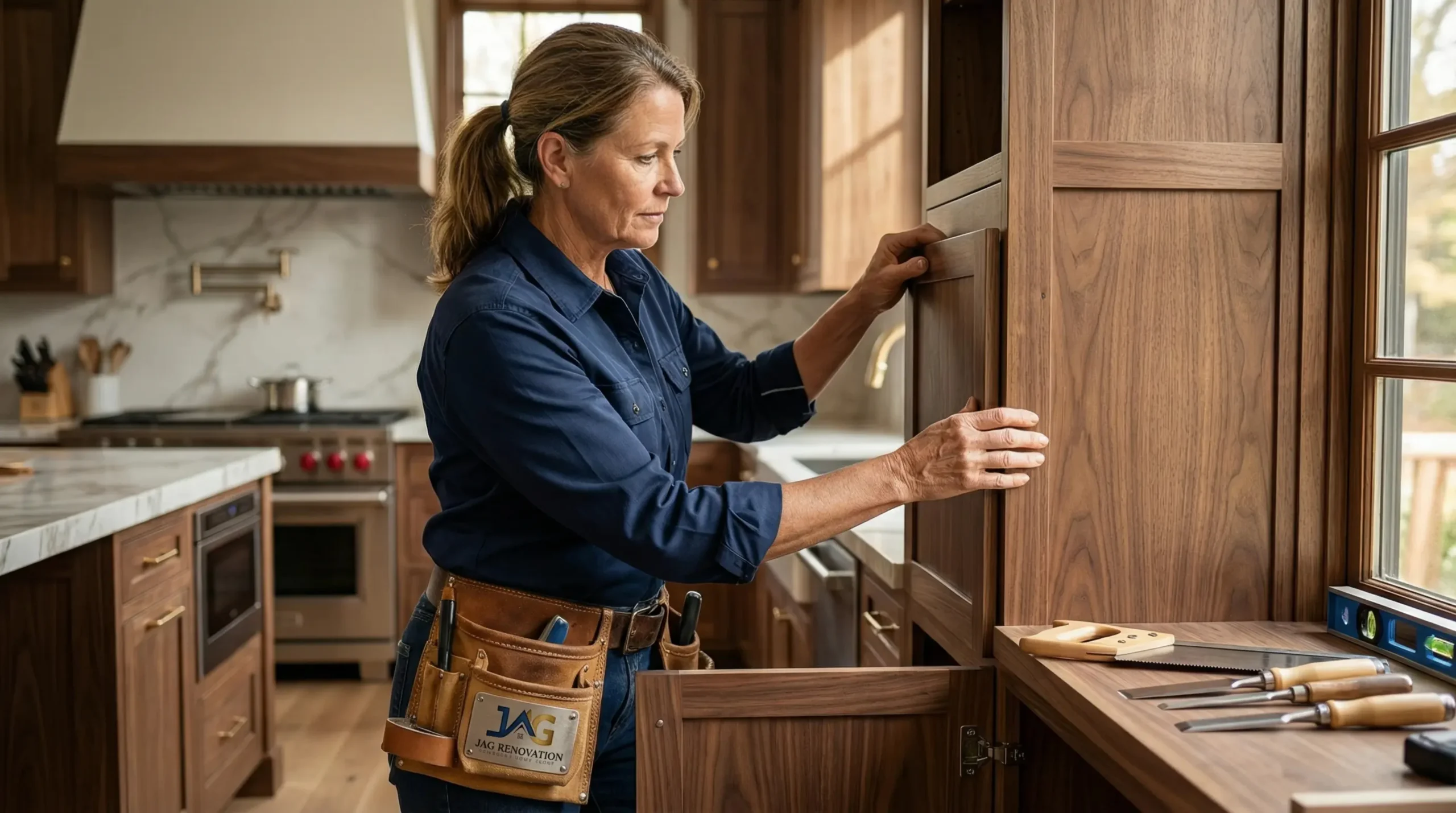
The unlicensed contractor’s bid looks good. Maybe it’s $5,000 less than the licensed competition for your bathroom remodel. Maybe they promise to start next week while the licensed contractor can’t begin for a month. Maybe they say licensing is “just a formality” that doesn’t affect the quality of work.
Checking a contractor’s license in Suffolk County takes about five minutes. There’s no excuse for skipping this step.
Start with the Suffolk County Department of Consumer Affairs website. They provide online license verification tools. Enter the contractor’s name or company name. The system shows whether their license is current, when it expires, and whether there are any complaints or violations on record.
But don’t stop at the online check. Ask the contractor directly for their license number. A legitimate contractor will provide it immediately and won’t act defensive about the request. If they hesitate, make excuses, or claim they “don’t have it handy,” that’s a red flag.
Next, request proof of insurance. You want to see current certificates for both general liability and workers’ compensation. Don’t just accept copies—call the insurance companies directly to verify the policies are active and that coverage amounts match what the contractor claims. Insurance fraud happens. Contractors show outdated certificates or fake documents. A quick phone call confirms the truth.
Check references, but do it right. Don’t just ask for a list of past clients—ask for recent projects, ideally within the last six months. Call those references and ask specific questions: Did the project stay on budget? Were there surprise costs? How did the contractor handle problems that came up? Was the site kept clean? Would you hire them again? Most people are honest when you ask directly.
Look at their actual work. Ask to see photos of completed projects similar to yours. Better yet, ask if you can visit a current job site or see a recently completed project in person. Photos can be misleading. Seeing the work up close tells you about quality, attention to detail, and craftsmanship.
Pay attention to how they communicate during the vetting process. Do they return calls promptly? Do they show up on time for the initial consultation? Do they listen to what you want, or do they immediately push their own agenda? Do they explain things clearly without talking down to you? These early interactions predict what working with them will be like for the duration of your project.
A license is the starting point, not the finish line. It tells you a contractor meets minimum legal requirements in Suffolk County, NY. But it doesn’t guarantee they’re the right fit for your project or that you’ll have a good experience working with them.
The best contractors bring more than credentials. They bring transparency about pricing—no hidden fees, no surprise charges, no bait-and-switch tactics. They communicate clearly throughout the process, keeping you informed about progress, addressing concerns promptly, and making sure you understand what’s happening at each stage. They respect your home and your time, showing up when they say they will and leaving the job site clean at the end of each day.
When you’re ready to move forward with your kitchen renovation, bathroom remodel, or any interior home improvement project, we’re here to help. At Jaguar Renovations, we’re licensed, experienced, and committed to the kind of transparent, honest service that makes home renovations less stressful and more rewarding. Because your home deserves contractors you can truly trust, and you deserve to feel confident about the investment you’re making.
Summary:
Share: