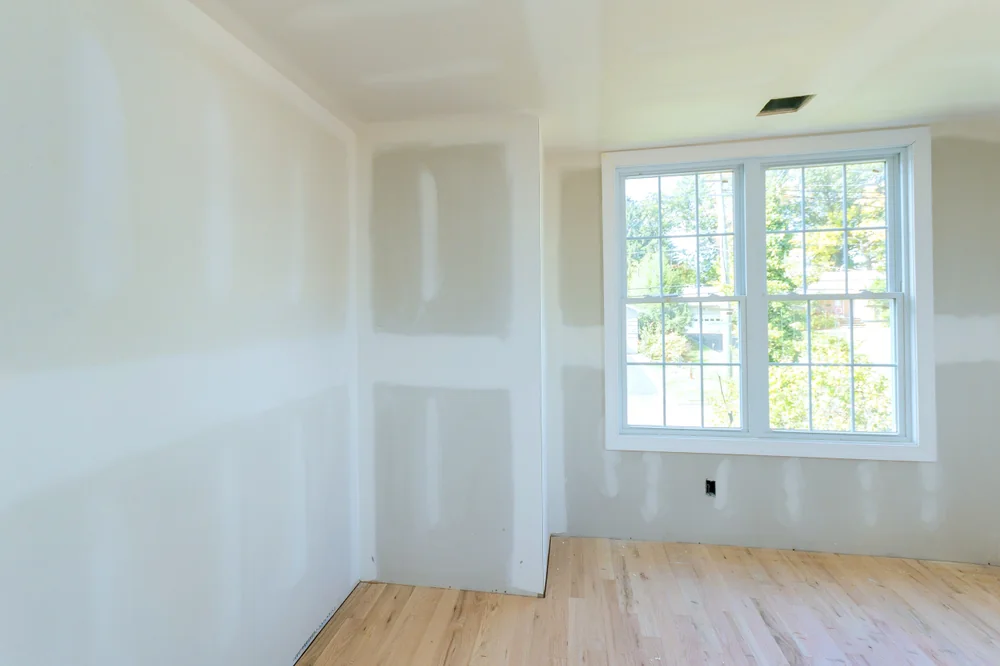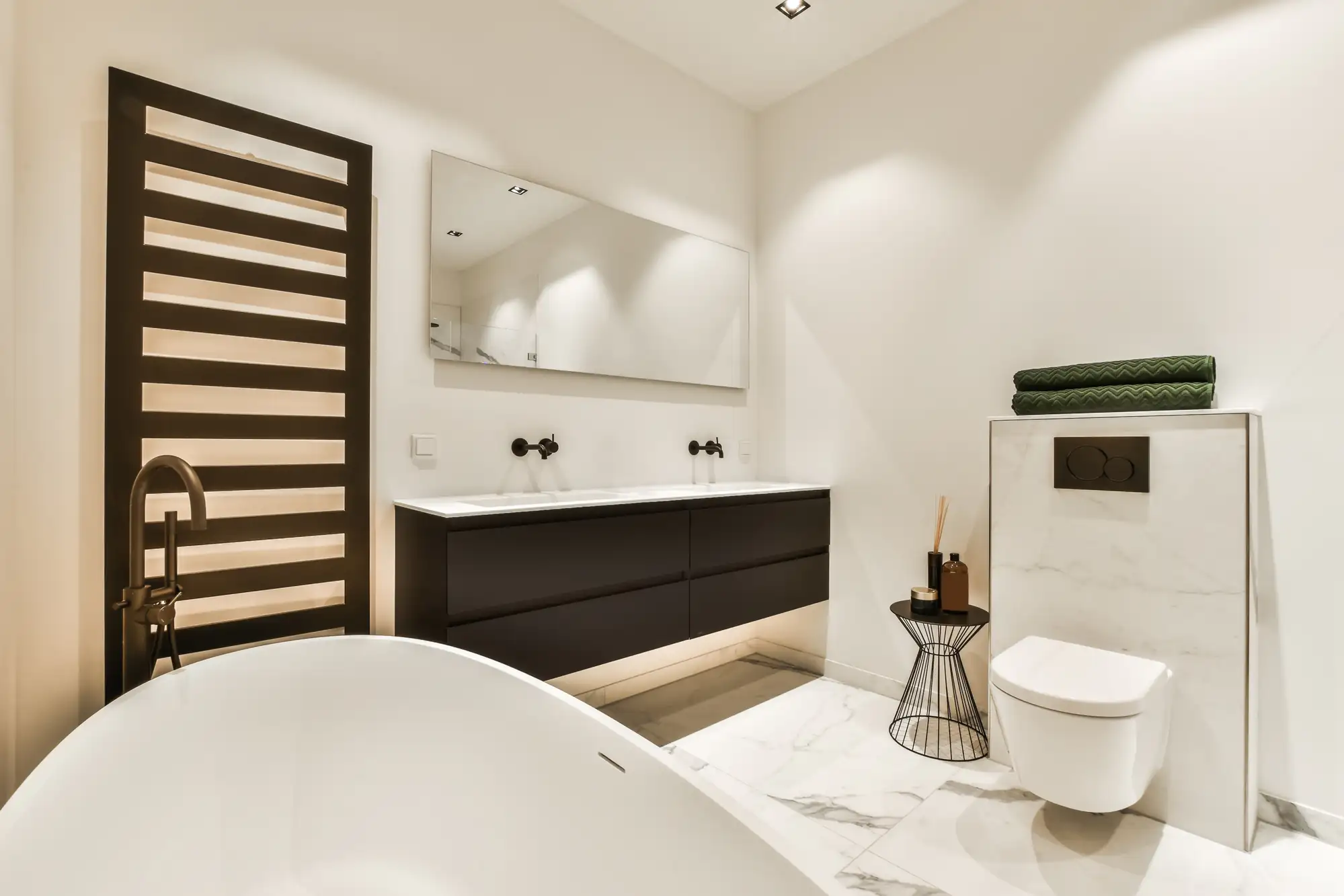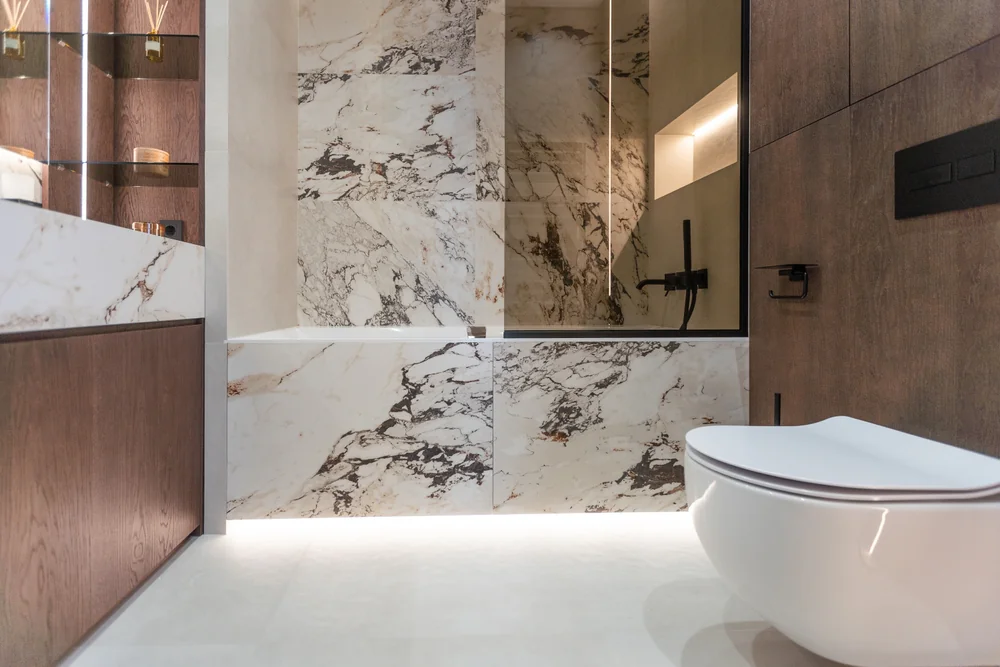
Nervous about your bathroom remodel timeline? Discover what Long Island homeowners should realistically expect from planning through final touches.
Most homeowners want to jump straight to demolition. That’s the exciting part, right? But here’s the thing: rushing through planning is one of the fastest ways to blow your timeline and your budget.
The planning and design phase typically takes 2-4 weeks, sometimes longer if you’re making major layout changes. This is when you’re making decisions about materials, fixtures, layout, and finishes. It’s also when we order materials, secure permits, and schedule the trades—plumbers, electricians, tile installers—who’ll actually do the work.
Think of this phase as building the foundation for everything that follows. Skip it or rush through it, and you’ll pay for it later with delays, change orders, and frustration. Professional planning is what separates a smooth bathroom renovation from one that drags on for months.

Walk into any showroom and you’ll see hundreds of tile options, dozens of vanity styles, and fixtures in every finish imaginable. It’s easy to get overwhelmed. But here’s what really matters for your timeline: availability.
Standard materials—basic tile, stock vanities, common fixtures—are usually available within days. You pick them, we order them, and they show up when needed. Custom or specialty items are a different story. That hand-made vanity you fell in love with? It might take 6-10 weeks to arrive. Imported tile? Same deal. Even some popular fixtures can be backordered for weeks.
This is where working with experienced contractors makes a difference. We know which materials are readily available in Suffolk County and which ones will hold up your project. We can also suggest alternatives that give you the look you want without the wait.
The other piece that homeowners often overlook is ordering everything before demolition starts. Nothing stalls a project faster than having your bathroom torn apart while you’re still waiting on that perfect faucet to ship. We make sure materials are on-site or scheduled for delivery before the first hammer swings.
And here’s a pro tip: have a backup option for every major material choice. Supply chain issues are real, and even items that are “in stock” can suddenly become unavailable. A plan B keeps your project moving when plan A falls through.
Keeping your existing layout—toilet stays where it is, shower doesn’t move, plumbing lines stay put—is the fastest path to completion. You’re basically working within the existing footprint, which means less plumbing work, fewer permits, and a simpler construction process.
Moving fixtures around changes everything. Want to relocate that toilet to the opposite wall? You’re rerouting plumbing lines, which means opening up more walls, potentially dealing with structural issues, and definitely adding time to your project. The same goes for moving your shower or adding a second sink where there used to be one.
Layout changes aren’t bad—sometimes they’re exactly what your bathroom needs to function properly. But they do add complexity and time. A bathroom remodel that keeps the existing layout might take 3-4 weeks. Move everything around, and you’re looking at 6-8 weeks or more.
Permits are another factor that ties directly to your layout decisions. In Suffolk County, if you’re moving plumbing or electrical, you’ll need permits. And permits mean inspections. And inspections mean waiting for an inspector to show up, sign off on the work, and give you the green light to move forward. This can add anywhere from a few days to a couple of weeks to your timeline, depending on how backed up the local building department is.
The key is knowing what you’re getting into before you commit. If you’re working with contractors who’ve done hundreds of bathroom remodels in Suffolk County, we can tell you upfront how your layout decisions will impact your timeline. We can also handle the permit process efficiently, so you’re not sitting around waiting longer than necessary.
One more thing: older homes in areas like East Islip and surrounding towns sometimes have plumbing or electrical systems that don’t meet current code. When you open up the walls, you might discover you need to bring things up to standard before you can proceed. It’s not common, but it happens. We inspect thoroughly during the planning phase to minimize these surprises.
Want live answers?
Connect with a Jaguar Renovation expert for fast, friendly support.
Demolition sounds simple. Tear out the old stuff, haul it away, and you’re ready to build. In reality, this phase is where you discover what you’re actually working with.
Demo typically takes 1-2 days for a standard bathroom. We remove the vanity, toilet, shower or tub, and any tile or flooring that’s being replaced. We’ll also open up walls if plumbing or electrical work is needed. It’s loud, it’s messy, and it’s the point of no return.
This is also when surprises show up. Water damage behind the shower. Mold in the walls. Outdated wiring that needs replacing. Plumbing that’s been leaking slowly for years. None of this is visible until the walls are open, which is why even the most thorough planning can’t account for every possibility.
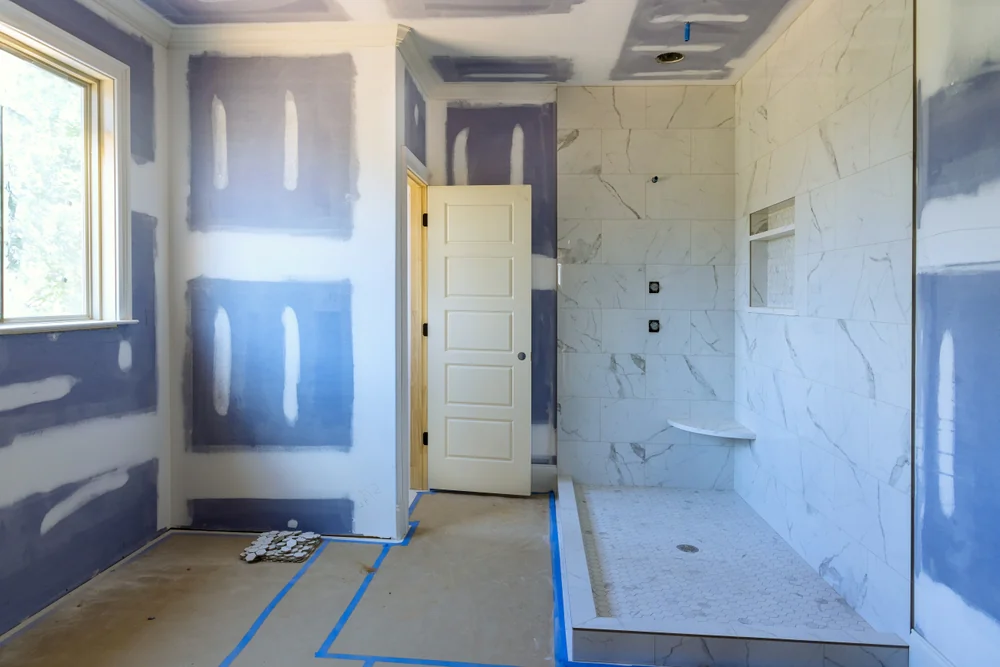
Once the old fixtures are out, we move into what’s called the “rough-in” phase. This is when plumbers install new water supply lines and drainage pipes. Electricians run new wiring for lights, outlets, and exhaust fans. Framers build out any structural changes or install backing for grab bars and wall-mounted fixtures.
This phase typically takes 2-4 days, but it’s critical. Everything that gets installed later—your tile, your vanity, your fixtures—depends on this work being done right. It’s also when inspections happen. In Suffolk County, you’ll usually need an inspection after rough plumbing and electrical work is complete. The inspector checks that everything meets code, signs off, and then you can move forward.
Delays during rough-in usually come from one of two places: unexpected issues discovered during demo, or waiting for an inspection. The first one is hard to predict. The second one is manageable if we schedule inspections early and stay on top of the process.
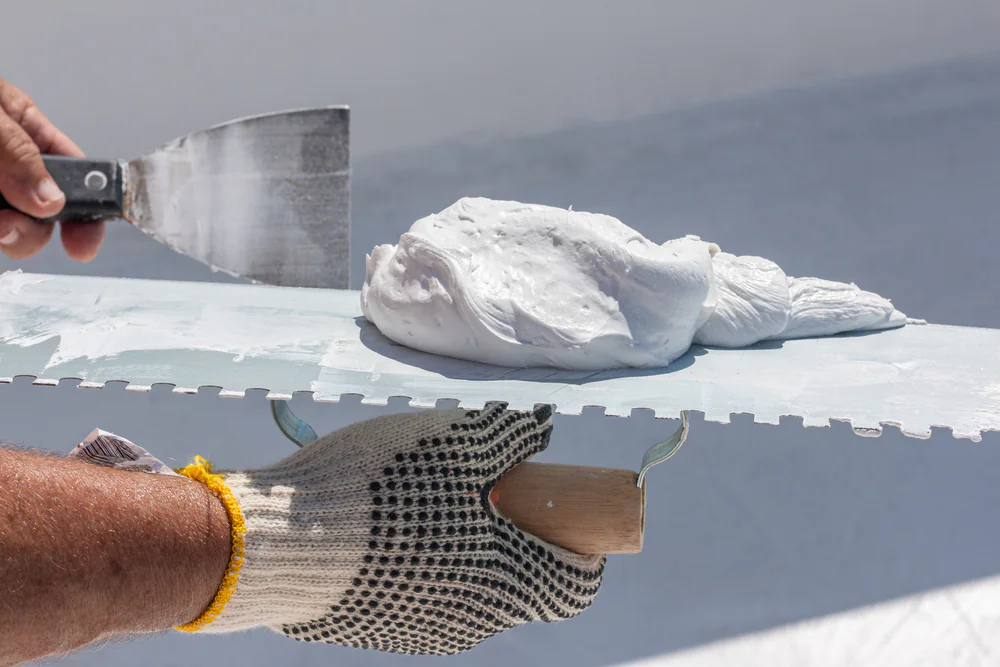
Waterproofing is the other major task that happens during prep. We install moisture barriers around the shower and tub area—membranes, backer board, whatever system we’re using. This step is non-negotiable. Skip it or do it wrong, and you’re setting yourself up for water damage down the road.
We take our time here. We know that cutting corners on waterproofing to save a day now means coming back to fix leaks later. We also know that inspectors will flag improper waterproofing, which means delays and rework.
For homeowners, this phase can feel slow because you’re not seeing much visible progress. The bathroom still looks torn apart, and it’s hard to picture how it’s all going to come together. But this is where the real work happens—the work that determines whether your bathroom lasts 20 years or starts falling apart in two.
Waterproofing doesn’t look like much when it’s done. It’s hidden behind tile and drywall. But it’s the difference between a bathroom that holds up and one that develops mold, rot, and expensive damage.
In Suffolk County, where humidity can be high, especially near the water, proper waterproofing is even more important. We use quality materials—cement board or other moisture-resistant backer, waterproof membranes in the shower area, and proper sealing around all penetrations.
This work typically adds 1-2 days to your timeline, but it’s time well spent. Inspectors will check it. And if it’s not done right, you’ll be tearing things apart and starting over.
The other piece that happens during prep is setting the subfloor. If you’re installing tile, the subfloor needs to be perfectly flat and properly supported. Any low spots or flex in the floor will cause tile to crack later. We might spend hours—sometimes a full day—just getting the floor right before any tile goes down.
It’s not glamorous work. It doesn’t show up in your final photos. But it’s what separates a bathroom that looks good from one that looks good and actually functions properly for years.
One more thing about this phase: communication matters. If we discover issues during demo—water damage, electrical problems, anything that wasn’t visible during the estimate—we stop, show you what we found, and explain your options before proceeding. You shouldn’t be getting surprise bills for work you didn’t approve. We document everything and keep you informed.
This is the phase where things finally start coming together. After weeks of planning and days of demolition and rough work, you’re about to see what your new bathroom actually looks like.
Tile installation typically takes 3-7 days, depending on the size of your bathroom and the complexity of the custom bathroom design. Simple subway tile on the walls? Faster. Intricate mosaic patterns or large-format tile that requires precise cuts? Slower. We work carefully here because mistakes are expensive and time-consuming to fix.
Flooring follows a similar timeline. If you’re doing tile, it might go down at the same time as the wall tile, or we might wait until the walls are done to avoid damage. Other flooring options—luxury vinyl, engineered wood, whatever you’ve chosen—usually install faster than tile.
Summary:
Share: