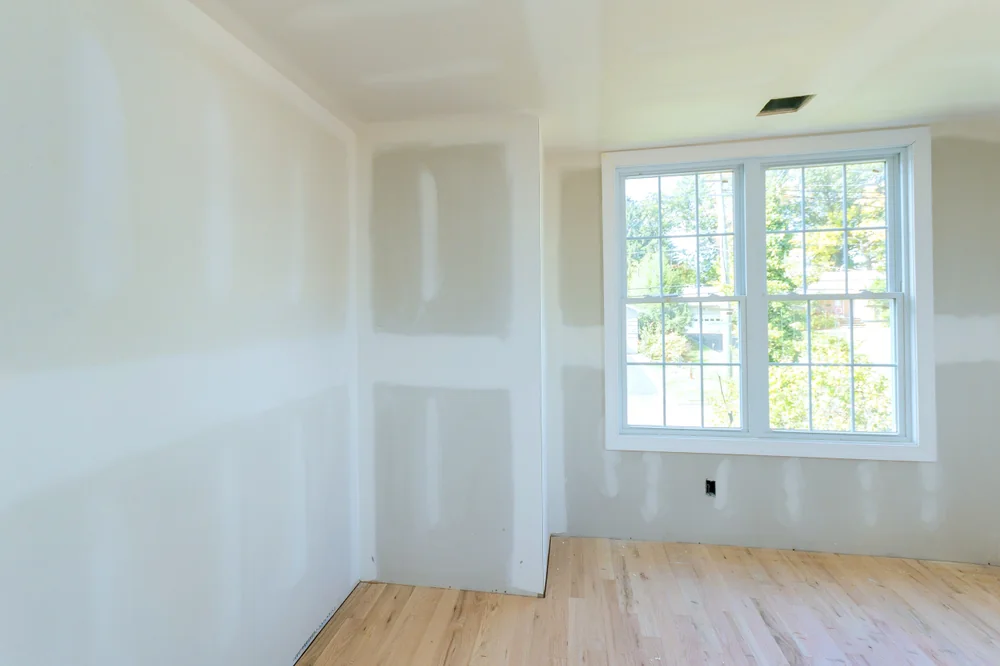
A full kitchen remodel involves more than new cabinets. Discover what's included in every phase—from planning to permits—and what to expect in Suffolk County, NY.

Before anyone picks up a hammer, you need a plan. Not just a Pinterest board—a real plan that accounts for your space, your budget, and how you actually use your kitchen.
This is where you sit down with us and map out the layout. Do you want an island? Does the sink need to move? Where should appliances go? These decisions shape everything that comes after, so getting them right matters.
Material selection happens here too. Cabinets, countertops, flooring, backsplash—you’ll choose finishes that fit your style and your budget. We walk you through options without pushing you toward the most expensive choice. Budget considerations come into play early because kitchen remodeling in Suffolk County isn’t cheap, and you need to know where your money’s going before you commit.
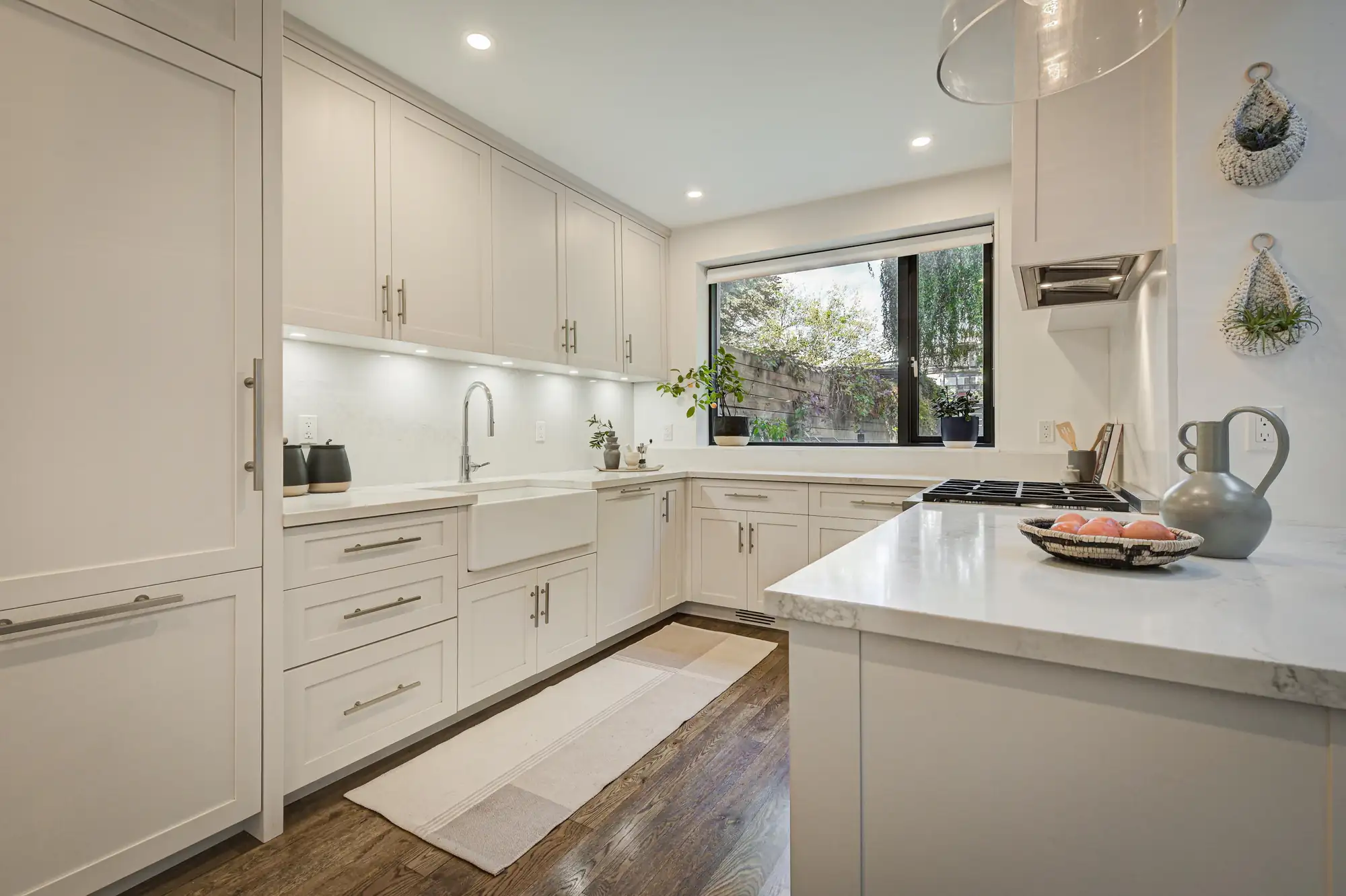
Keeping your existing layout is the easiest way to control costs. If your sink, stove, and fridge stay where they are, you avoid moving plumbing and gas lines—two of the biggest budget killers in any remodel.
But sometimes, the layout just doesn’t work. Maybe your sink is too far from the dishwasher. Maybe your stove is crammed in a corner with no counter space. If that’s the case, moving things makes sense—but you need to understand what you’re signing up for.
Moving a sink means rerouting water lines and drainage. Moving a stove might require new gas lines or upgraded electrical. These aren’t small jobs. They require licensed contractors who understand Suffolk County building codes, and they add time and cost to your project. That doesn’t mean you shouldn’t do it—just that you should plan for it.
The upside? A better layout can completely transform how your kitchen functions. You’ll have more counter space, better workflow, and a space that actually makes sense for how you cook. If you’re spending the money on a full remodel anyway, fixing a bad layout is worth considering.
Most kitchen renovation contractors will give you options. We’ll show you what’s possible within your existing footprint and what changes would require structural work. That way, you can decide what’s worth the extra investment and what’s not.
Material selection is where a lot of homeowners get stuck. There are too many options, and every choice comes with trade-offs.
Cabinets are usually the biggest line item. You can go with stock cabinets, which are affordable and available quickly. Semi-custom gives you more flexibility without breaking the bank. Fully custom cabinets cost more but fit your space perfectly and give you exactly what you want. The right choice depends on your budget and how long you plan to stay in your home.
Countertops are another big decision. Granite and quartz are popular in Suffolk County because they’re durable and look great. Laminate costs less but won’t last as long. Butcher block adds warmth but requires more maintenance. We explain the pros and cons of each material so you can make an informed choice.
Flooring, backsplash, hardware—it all adds up. The key is figuring out where to invest and where to save. Maybe you splurge on countertops but go with mid-range cabinets. Maybe you choose luxury vinyl flooring instead of hardwood. We help you prioritize so you get the most value for your money.
One more thing: don’t forget about lead times. Some materials take weeks to arrive, especially if you’re ordering custom cabinets or specialty tile. If you want your project done on time, you need to order materials early. That’s why planning matters.
Want live answers?
Connect with a Jaguar Renovation expert for fast, friendly support.
Once the design is finalized and materials are ordered, demolition begins. This is the messy part—tearing out old cabinets, ripping up flooring, removing appliances, and sometimes knocking down walls.
Demo isn’t just about destruction. It’s about doing it carefully so you don’t damage anything that’s staying. We protect your floors, seal off adjacent rooms, and haul away debris so your home doesn’t turn into a construction zone.
This is also when you find out if there are any hidden issues. Outdated wiring. Plumbing leaks. Water damage behind the walls. These things happen, especially in older homes. That’s why smart homeowners budget for contingencies—usually 10-15% of the total project cost.
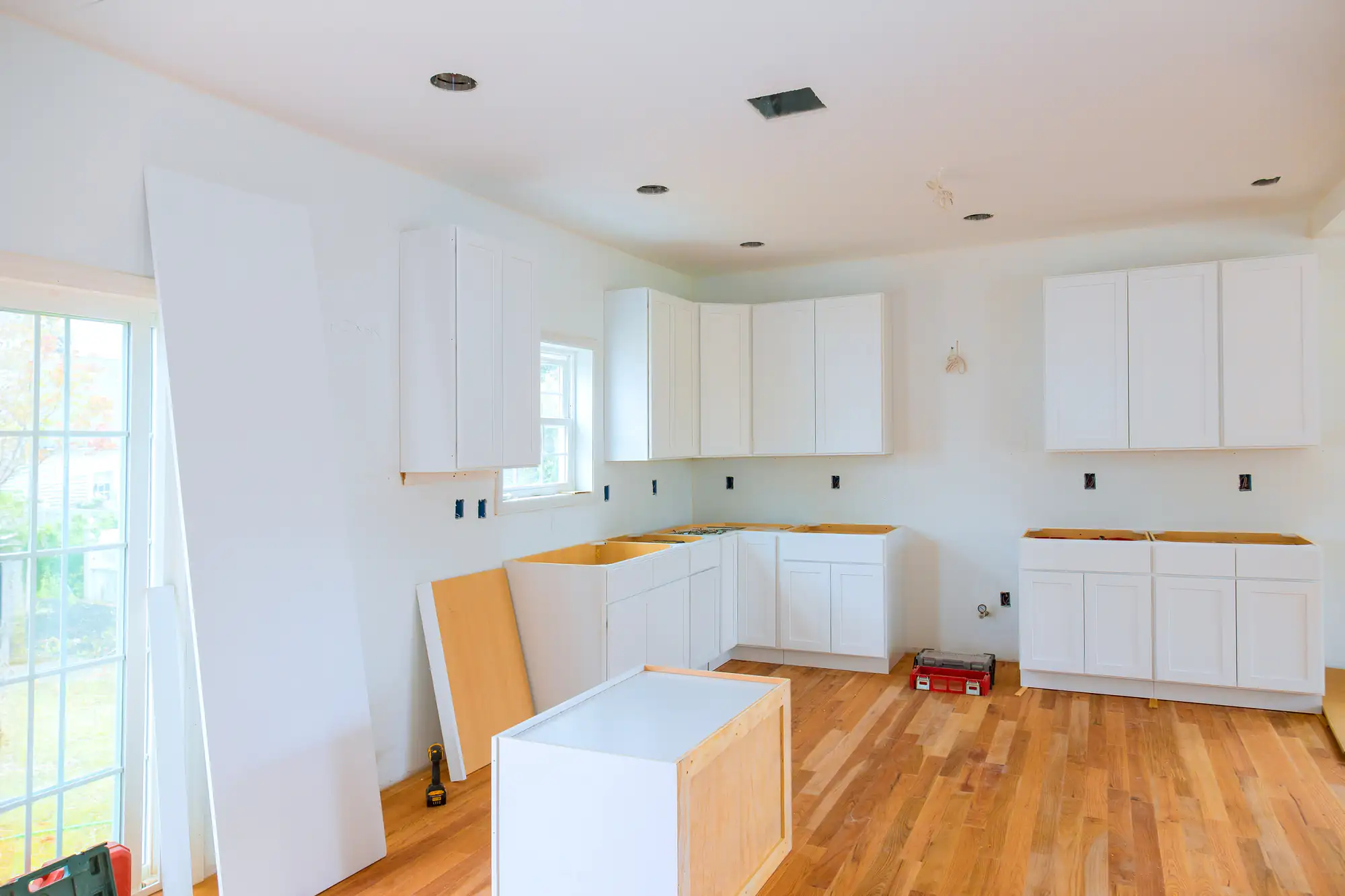
Not every kitchen remodel needs carpentry, but a lot of them do. If you’re changing the layout, removing a wall, or adding custom built-ins, you’ll need a skilled carpenter on the job.
Removing a wall sounds simple, but it’s not always straightforward. Some walls are load-bearing, which means they’re holding up part of your house. You can’t just knock them down without reinforcing the structure first. That requires a licensed contractor who understands building codes and knows how to do the work safely.
Custom carpentry also comes into play if you want features like a built-in pantry, open shelving, or a custom range hood. These aren’t things you can buy off the shelf. They’re built on-site to fit your space perfectly, and they add a level of craftsmanship that makes your kitchen feel custom.
Even smaller jobs—like trimming out windows, installing crown molding, or building a breakfast nook—require carpentry skills. With our in-house carpenters, you’re not waiting on a subcontractor to show up, and you’re working with a team that knows your project inside and out.
In Suffolk County, carpentry work needs to meet local building codes. That means proper framing, correct fasteners, and inspections if required. Hiring licensed kitchen contractors ensures the work is done right the first time, so you’re not dealing with issues down the road.
Permits aren’t optional. If you’re moving plumbing, electrical, or gas lines, you need a permit. If you’re tearing down walls or making structural changes, you need a permit. Skipping this step might save you a few hundred dollars upfront, but it’ll cost you later.
Unpermitted work can cause problems when you sell your home. Buyers’ inspectors will catch it, and you’ll either have to fix it or lower your price. Worse, if something goes wrong—a fire, a flood, a structural issue—your insurance might not cover it if the work wasn’t permitted.
Suffolk County has strict building codes, and inspectors take them seriously. That’s a good thing. It means the work is done safely and up to standard. We handle permits for you. We know what’s required, we pull the permits, and we schedule inspections so the project stays on track.
Permit fees vary depending on the scope of work, but they’re usually between $500 and $1,500 for a full kitchen remodel. That’s a small price to pay for peace of mind and legal protection.
If a contractor tells you permits aren’t necessary, that’s a red flag. Either they don’t know the rules, or they’re trying to cut corners. Either way, you don’t want them working on your home. Stick with licensed kitchen contractors who do things the right way.
This is where your kitchen starts to look like a kitchen again. Flooring goes in first, followed by cabinets and countertops. These are the big-ticket items that define the look and feel of your space.
Flooring options range from tile and hardwood to luxury vinyl and laminate. Each has pros and cons. Tile is durable and water-resistant but cold underfoot. Hardwood adds warmth but costs more. Vinyl is budget-friendly and easy to maintain. We help you choose based on your lifestyle and budget.
Cabinet installation is a precise job. Cabinets need to be level, properly secured, and aligned perfectly. If they’re off by even a fraction of an inch, your countertops won’t fit right. This is where experience matters. Our skilled installers know how to handle tricky spaces, uneven walls, and last-minute adjustments.
Countertops come last because they’re custom-cut to fit your cabinets. Once they’re templated, fabricated, and installed, your kitchen starts to feel complete. Whether you choose granite, quartz, or something else, the countertops tie the whole room together.
Summary:
Share: