Thinking about updating your home? The 2026 remodeling trends blend warmth, wellness, and timeless style—here's what's actually worth your investment.
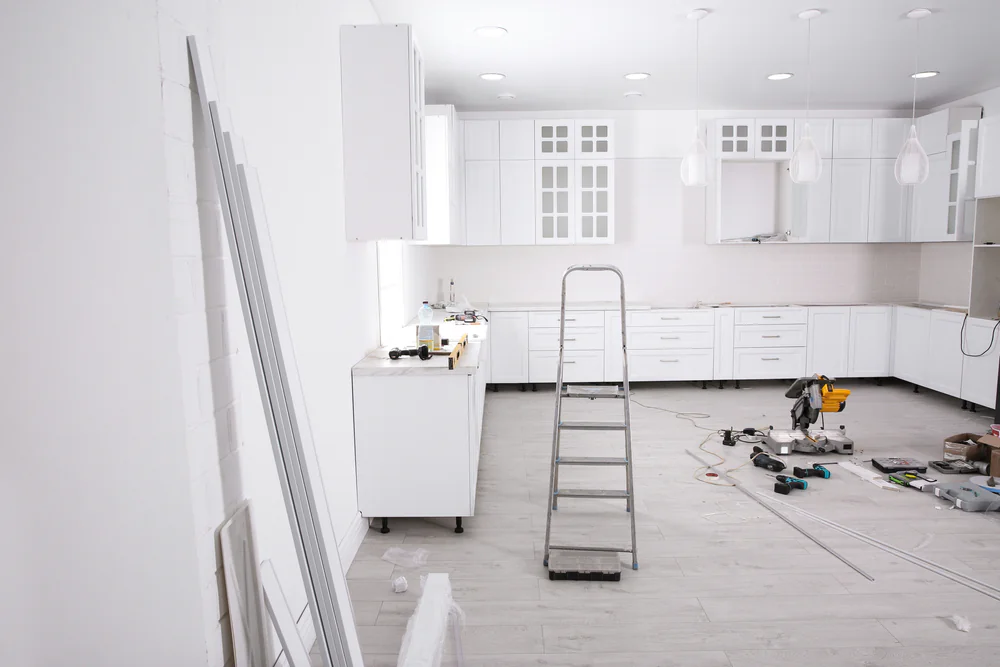
The way people renovate is changing, and it’s not just about aesthetics. Homeowners across Suffolk County are choosing to improve rather than move, and that shift is shaping everything from project scope to material choices. With median home values hovering around $800,000 and moving costs at an all-time high, staying put and customizing makes financial sense.
But there’s more to it than economics. People want homes that support how they live now—spaces for remote work, rooms that adapt as families grow, and finishes that don’t require constant maintenance. The 2026 remodeling trends reflect that reality. You’ll see less focus on impressing guests and more emphasis on daily comfort, wellness, and long-term durability.
Suffolk County’s climate plays a role too. Coastal weather, humidity swings, and temperature extremes mean materials need to perform, not just look good. That’s why you’re seeing a rise in waterproof luxury vinyl, durable natural stone, and finishes that hide wear instead of highlighting every scratch.

Bathrooms have quietly become the number one renovation priority for homeowners in 2026, and it’s easy to understand why. They’re manageable in scope, deliver immediate satisfaction, and genuinely improve daily life. Unlike a kitchen remodel that can stretch timelines and budgets, a bathroom renovation feels achievable—and the return on investment is strong.
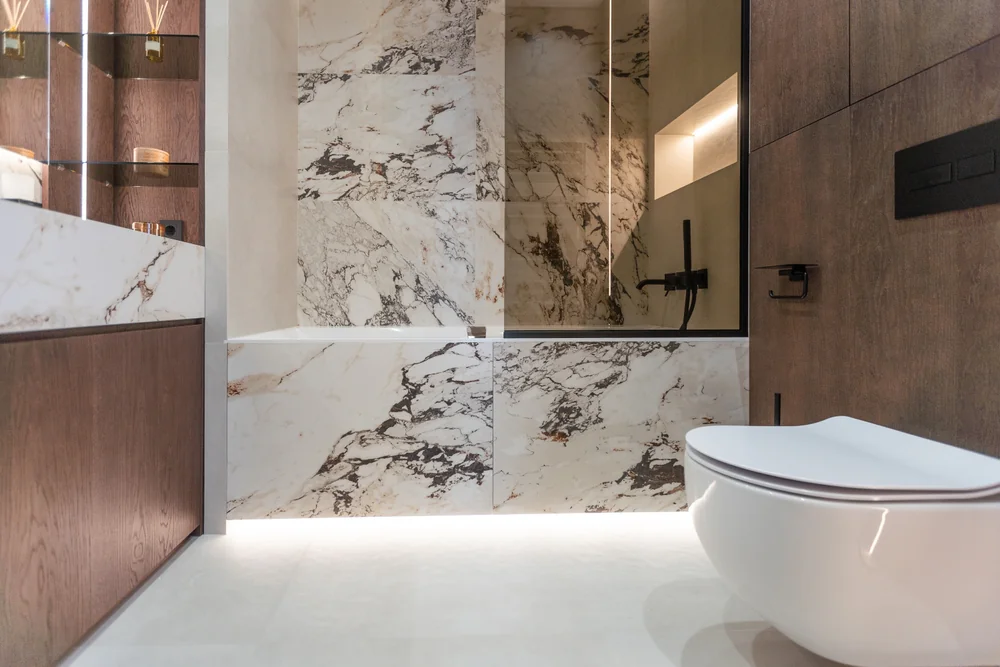
What’s changed is how people approach bathroom design. The focus has shifted from purely functional spaces to personal retreats. Spa-like features are no longer reserved for luxury homes. Walk-in showers with built-in seating, rainfall showerheads, heated floors, and natural stone surfaces are showing up in everyday renovations across Suffolk County. Homeowners want a space where they can unwind after a long day, not just get ready in the morning.
Lighting plays a bigger role than most people realize. Layered lighting—ambient, task, and accent—creates a bathroom that works at 6 a.m. and feels relaxing at 9 p.m. Dimmable sconces, hidden LED strips under vanities, and even statement pendant lights are becoming standard, not upgrades. The goal is a space that adapts to your mood and needs throughout the day.
Color trends in bathrooms are moving decisively toward warmth. Cool grays and stark whites are giving way to soft clay, warm sand, muted beige, and earthy mushroom tones. These shades create a calming, grounding environment that feels timeless rather than trendy. Paired with natural textures like stone, wood accents, and organic-shaped fixtures, the result is a bathroom that feels restorative, not sterile.
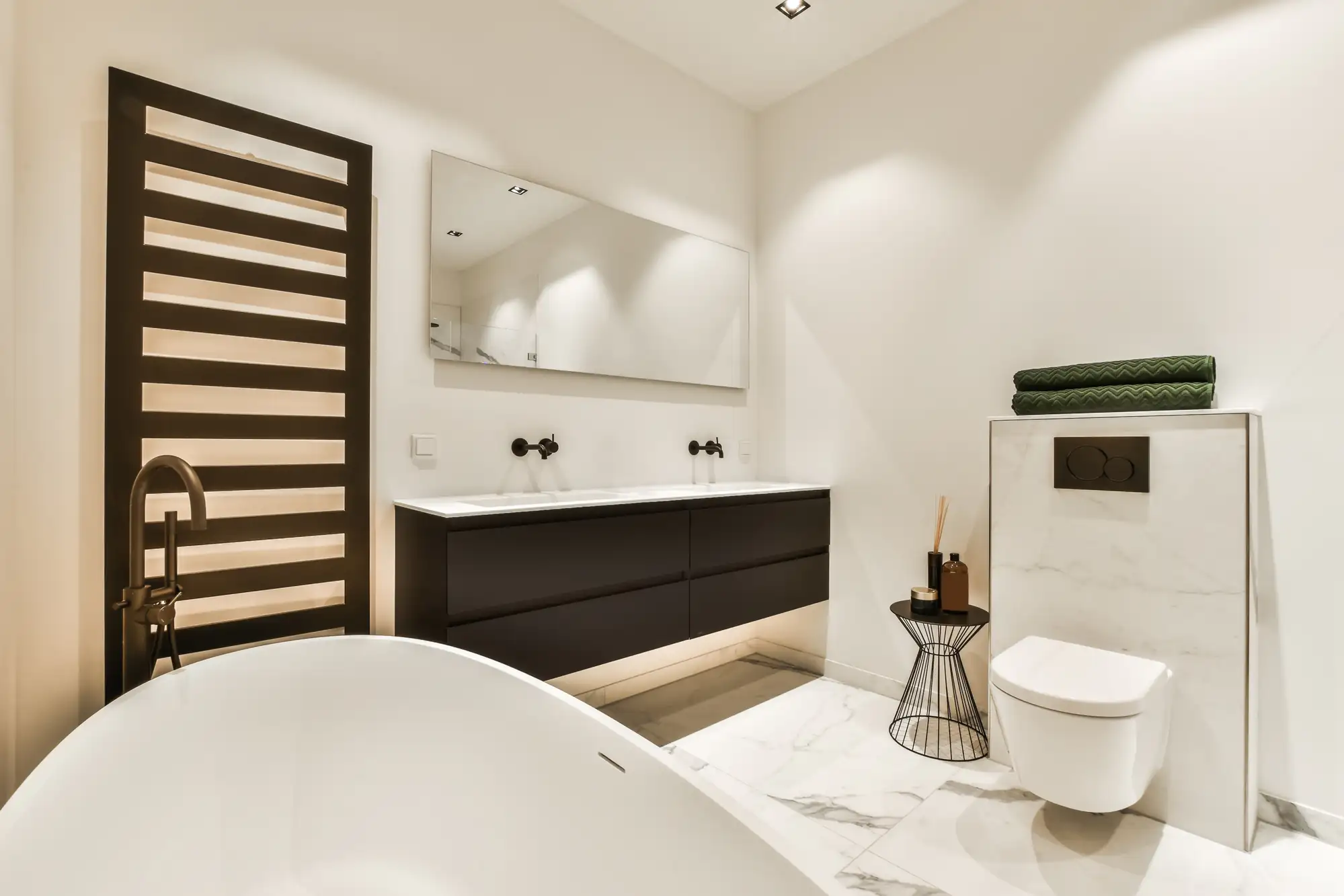
Vanities are getting more attention too. Floating vanities with fluted wood textures, integrated lighting, and furniture-style bases add personality and craftsmanship. Custom cabinetry maximizes storage while enhancing visual balance, and wall-mounted fixtures create an open, spacious feel even in smaller bathrooms. The days of treating the vanity as an afterthought are over—it’s now a design centerpiece.
Faucets and fixtures are evolving as well. Wall-mounted faucets offer a sleek, streamlined look while keeping countertops clear and easier to clean. Matte black, brushed nickel, and champagne bronze finishes continue to dominate because they pair beautifully with natural materials and require less maintenance than polished chrome. Touchless options are becoming more accessible, blending convenience with modern design.
One trend that’s gaining real traction is the move toward larger showers at the expense of bathtubs. More than half of homeowners now prioritize a spacious walk-in shower over keeping a tub in the primary bathroom. This shift is driven by practicality—showers are used daily, tubs are not—and by the desire for spa-level amenities like multiple showerheads, body sprays, and steam features. If you rarely use your tub, converting that space into a luxurious shower might be the smartest move you make.
Kitchens remain a close second to bathrooms in renovation popularity, but the approach is shifting. Homeowners in 2026 are less interested in showpiece kitchens that look impressive but don’t work well for daily life. The focus is on layouts that flow, storage that actually makes sense, and finishes that age gracefully without constant upkeep.
Cabinetry is moving toward cleaner lines and warmer tones. Flat-panel or slab-front doors are gaining traction, especially when paired with warm wood species like oak, walnut, or cherry. Matte finishes and minimalist hardware create a refined, custom look that feels approachable rather than overly formal. The era of ornate, heavy cabinetry is fading—simplicity and quality craftsmanship are taking center stage.
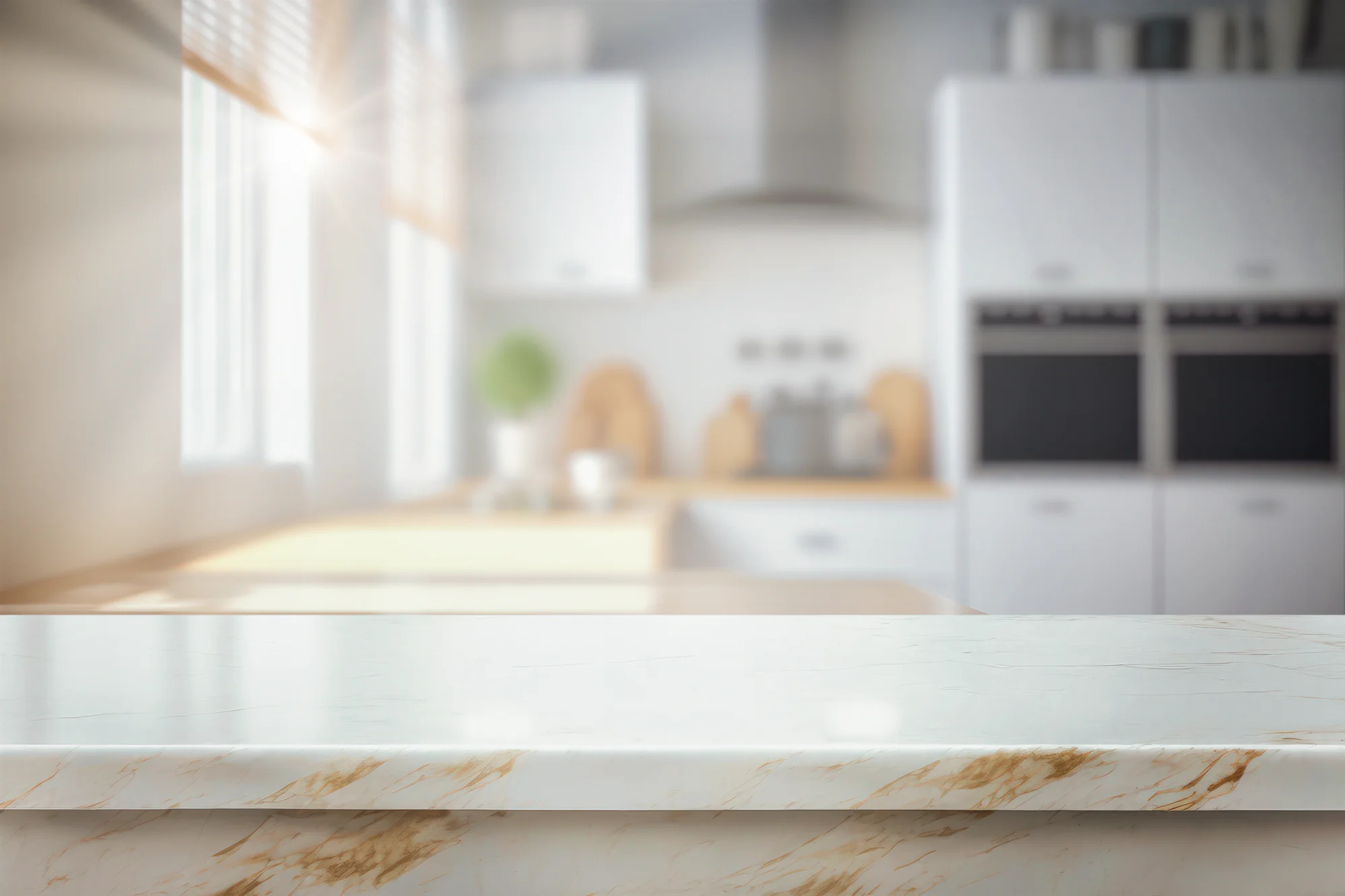
Natural stone is everywhere, but the preference has shifted toward subtle drama rather than high-contrast boldness. Quartzite and marble with soft, organic veining in greens, browns, reds, and golds are trending for both countertops and backsplashes. Homeowners want materials that feel luxurious without being loud. The goal is a kitchen that feels grounded and timeless, not one that screams for attention.
Concealed storage is becoming a priority. Open shelving had its moment, but the reality of keeping everything picture-perfect gets old fast. Streamlined cabinetry that hides clutter creates a more harmonious, organized space. Panel-faced refrigerators and dishwashers blend seamlessly into the overall design, maintaining clean lines and visual calm. When everything has a place and nothing is on display, the kitchen feels more restful—and that matters when you spend hours there every day.
Smart appliances and integrated technology are standard now, but the key is making them invisible. Hidden charging stations, concealed outlets, and built-in tech upgrades improve functionality without disrupting the design. Induction cooktops, energy-efficient ventilation, and smart lighting systems are being incorporated thoughtfully, not as flashy add-ons. The best kitchens in 2026 feel intuitive, not overly complicated.
The kitchen footprint is expanding in many Suffolk County homes. As the heart of the home, kitchens are absorbing more functions—cooking, dining, working, entertaining. Open layouts remain popular, but with more intentional zoning. A beverage station tucked into an unused nook, a dedicated coffee bar, or a secondary prep sink all add functionality without making the space feel chaotic. The goal is a kitchen that supports how your family actually lives, not how a magazine says you should.
Color is coming back, but in measured ways. While white kitchens still have their place, homeowners are embracing warmer neutrals, natural wood tones, and even accent colors in island cabinetry or backsplashes. Sage green, soft terracotta, and warm taupe are showing up more frequently, creating kitchens that feel personal and inviting rather than cold and generic. The key is balance—enough color to add character, but not so much that it feels overwhelming or dates quickly.
Want live answers?
Connect with a Jaguar Renovation expert for fast, friendly support.
Flooring sets the tone for your entire home, and 2026 is bringing some welcome changes. The biggest shift? Warm tones are replacing the cool grays that dominated the last decade. Honey oak, caramel, chestnut, and soft greige hues are back, and they’re making spaces feel cozier and more inviting. These mid-tone shades work with both contemporary and classic decor, giving you flexibility without boxing you into one style.
Texture is just as important as color. Matte and satin finishes are preferred over high gloss because they hide scratches, footprints, and daily wear more effectively. Wire-brushed, hand-scraped, and slightly distressed surfaces add character and make imperfections part of the design rather than flaws to avoid. For busy Suffolk County households—especially those with kids and pets—this is a game-changer. Your floors look better longer with far less effort.
Wide-plank flooring continues to dominate. By minimizing seams and creating a more continuous visual flow, wide planks make spaces feel larger and more elegant. This works especially well in open-concept homes where you want the flooring to tie rooms together without visual interruption. Whether you choose hardwood, luxury vinyl, or engineered wood, going wider is almost always the right call.
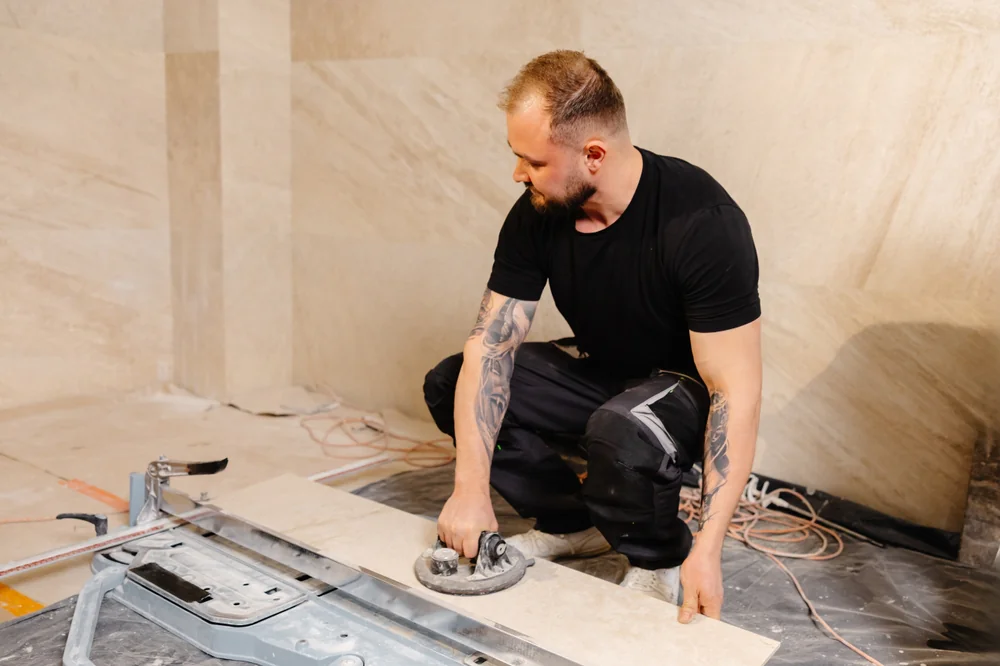
Luxury vinyl plank (LVP) has been the MVP of remodeling for years, and in 2026 it’s getting even better. Advances in embossing technology, thicker wear layers, and improved waterproofing make LVP nearly indistinguishable from real hardwood. For basements, kitchens, mudrooms, and bathrooms—anywhere moisture is a concern—LVP delivers peace of mind without sacrificing beauty.
But here’s what’s interesting: real hardwood is making a comeback. As homeowners grow tired of mass-produced, “Amazonified” design, there’s a renewed appreciation for natural materials and authentic craftsmanship. Hardwood floors bring warmth, character, and a sense of permanence that synthetic options can’t quite match. The grain variations, natural imperfections, and tactile quality of real wood create a connection to nature that aligns perfectly with 2026’s emphasis on biophilic design.
So which should you choose? It depends on the room and your priorities. For high-traffic, high-moisture areas, LVP is the smarter choice. It’s durable, waterproof, and easy to maintain. For living rooms, dining rooms, and bedrooms—spaces where you want that authentic, grounding presence—hardwood is worth the investment. Many Suffolk County homeowners are doing both: LVP in practical zones, hardwood in living spaces. It’s not an either-or decision.
Patterned layouts are gaining popularity too. Herringbone and chevron installations add movement, luxury, and visual interest without overwhelming the space. These classic patterns work in any material—hardwood, LVP, or tile—and they bring a sense of craftsmanship that straight planks can’t achieve. Entryways, kitchens, and even bathrooms are seeing more herringbone installations, and the look is both timeless and current.
Sustainability matters more than ever. Homeowners are asking about responsibly sourced wood, reclaimed materials, recycled content in vinyl products, and low-VOC finishes. Cork and bamboo are showing up more frequently as eco-friendly alternatives that don’t compromise on style. The flooring industry is responding with better transparency around material origins and environmental impact, making it easier to make choices that align with your values.
One practical note for Suffolk County specifically: your flooring needs to handle coastal humidity, temperature swings, and the occasional Nor’easter. That means proper acclimation before installation, quality underlayment, and finishes that can withstand moisture without warping or cupping. A good contractor knows this. A great one builds it into the plan from day one.
Carpentry is where craftsmanship becomes visible. Custom built-ins, trim work, wainscoting, coffered ceilings, and millwork details add depth and character that generic spaces simply don’t have. In 2026, homeowners are investing in these details because they make a house feel like a home—personal, intentional, and thoughtfully designed.
Built-in storage is particularly popular. Custom shelving in living rooms, window seats with hidden storage, mudroom cubbies, and bedroom closet systems maximize space while keeping clutter out of sight. The best built-ins look like they were always part of the house, not tacked on as an afterthought. That level of integration requires skill, precision, and an understanding of how you actually use your space.
Trim and molding are getting more attention too. Crown molding, baseboards, door casings, and window trim create visual transitions that make rooms feel finished and cohesive. Thicker, more substantial trim adds a sense of quality and permanence. Painted in warm whites or soft neutrals, these details enhance the architecture without overwhelming it. The goal is elegance, not excess.
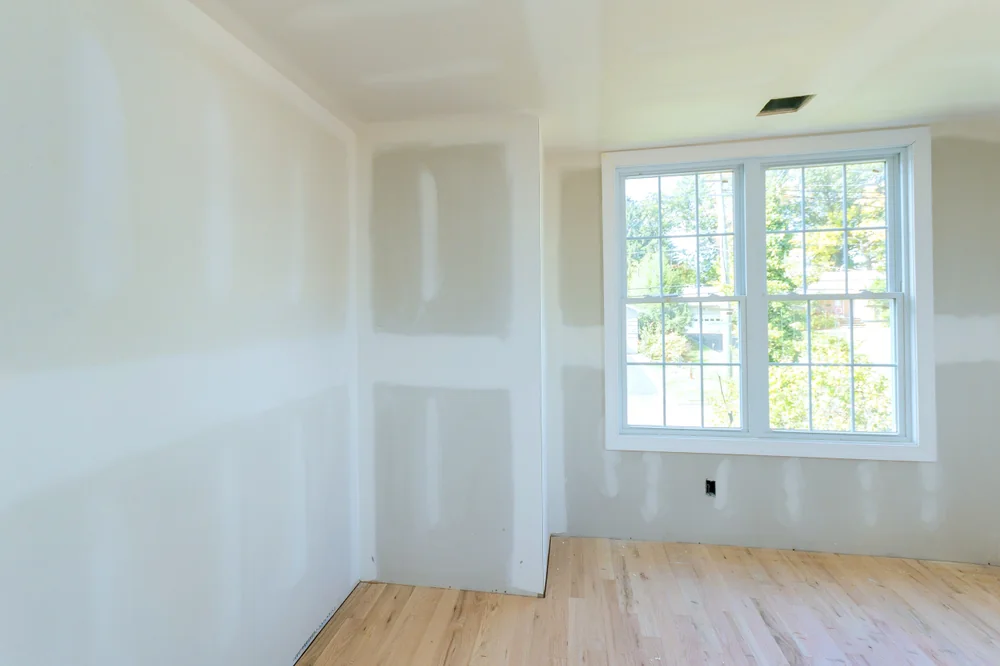
Sheetrock and wall finishes matter more than most people realize. Smooth, level walls are the foundation for everything else—paint, tile, trim, cabinetry. Poor sheetrock work shows up immediately, especially in natural light. Expert-level spackling, taping, and finishing create surfaces that look flawless and professional. It’s not glamorous work, but it’s essential. Skipping this step or hiring someone without the right experience is a mistake you’ll see every single day.
Custom carpentry also plays a role in adapting your home to changing needs. Home offices, craft rooms, exercise spaces, and flexible guest rooms all benefit from thoughtful built-ins and storage solutions. As remote work and multifunctional spaces become the norm, carpentry that supports those uses adds real value. A desk built into an alcove, shelving that doubles as a room divider, or a Murphy bed that frees up floor space—these aren’t luxuries, they’re smart design.
Painting ties everything together. The right color palette can make a space feel larger, brighter, warmer, or more intimate. In 2026, the trend is toward warm neutrals, earthy tones, and soft, grounding colors that create a calm backdrop for daily life. Accent walls are less common; instead, homeowners are using color more subtly—on trim, ceilings, or in smaller doses through furnishings and accessories. The goal is a cohesive, layered look that feels intentional, not trendy.
One thing to keep in mind: quality carpentry, sheetrock, and painting aren’t areas to cut corners. These are the bones of your renovation. Done right, they’re invisible—everything just looks and feels right. Done poorly, they undermine every other investment you make. In Suffolk County’s competitive market, where home values are high and buyer expectations are even higher, craftsmanship matters. It shows up in photos, it shows up during showings, and it shows up in appraisals.
The 2026 remodeling trends are refreshingly practical. Warm tones, natural materials, spa-like bathrooms, functional kitchens, durable flooring, and quality craftsmanship—these aren’t fleeting fads. They’re choices that improve how you live now and hold value when it’s time to sell. The key is understanding what works for your home, your budget, and your actual daily life.
If you’re planning a renovation, focus on the fundamentals first. Proper permits, quality materials, skilled craftsmanship, and transparent communication matter more than any trend. Work with contractors who understand Suffolk County’s building codes, climate challenges, and market expectations. Ask questions, get clear timelines, and make sure you’re comfortable with the process before work begins.
When you’re ready to move forward with a renovation that blends current trends with timeless quality, we bring nearly a decade of experience to Suffolk County homeowners. From bathrooms and kitchens to flooring, carpentry, and painting, our focus is on honest work, fair pricing, and results you’ll love for years to come.
Summary:
Share: