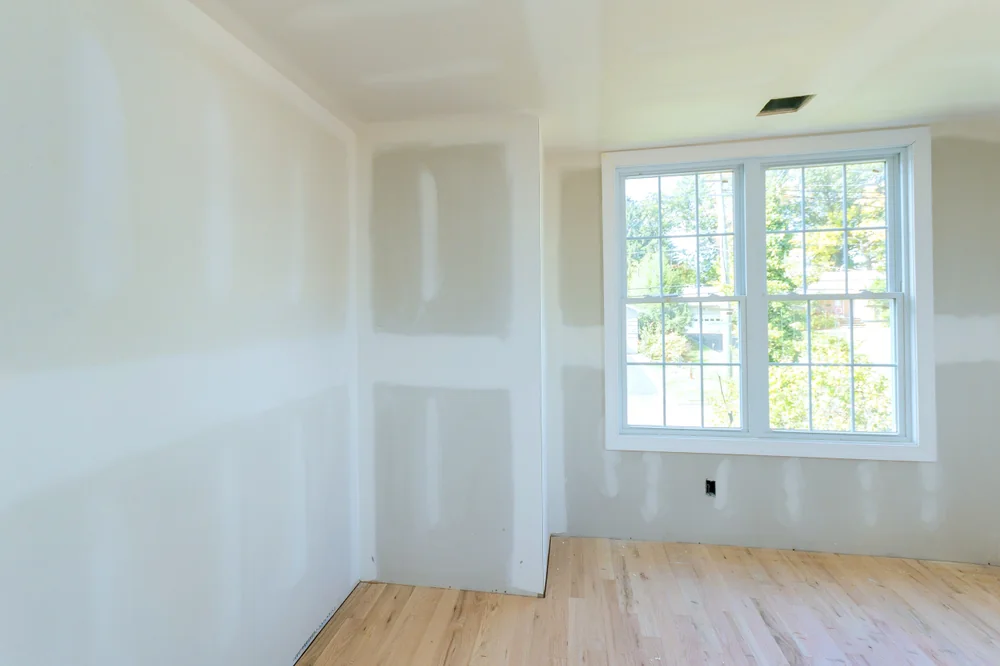
Planning a remodel but staying put? Learn how to maintain your routine, manage dust, and keep your family comfortable during your Suffolk County renovation.
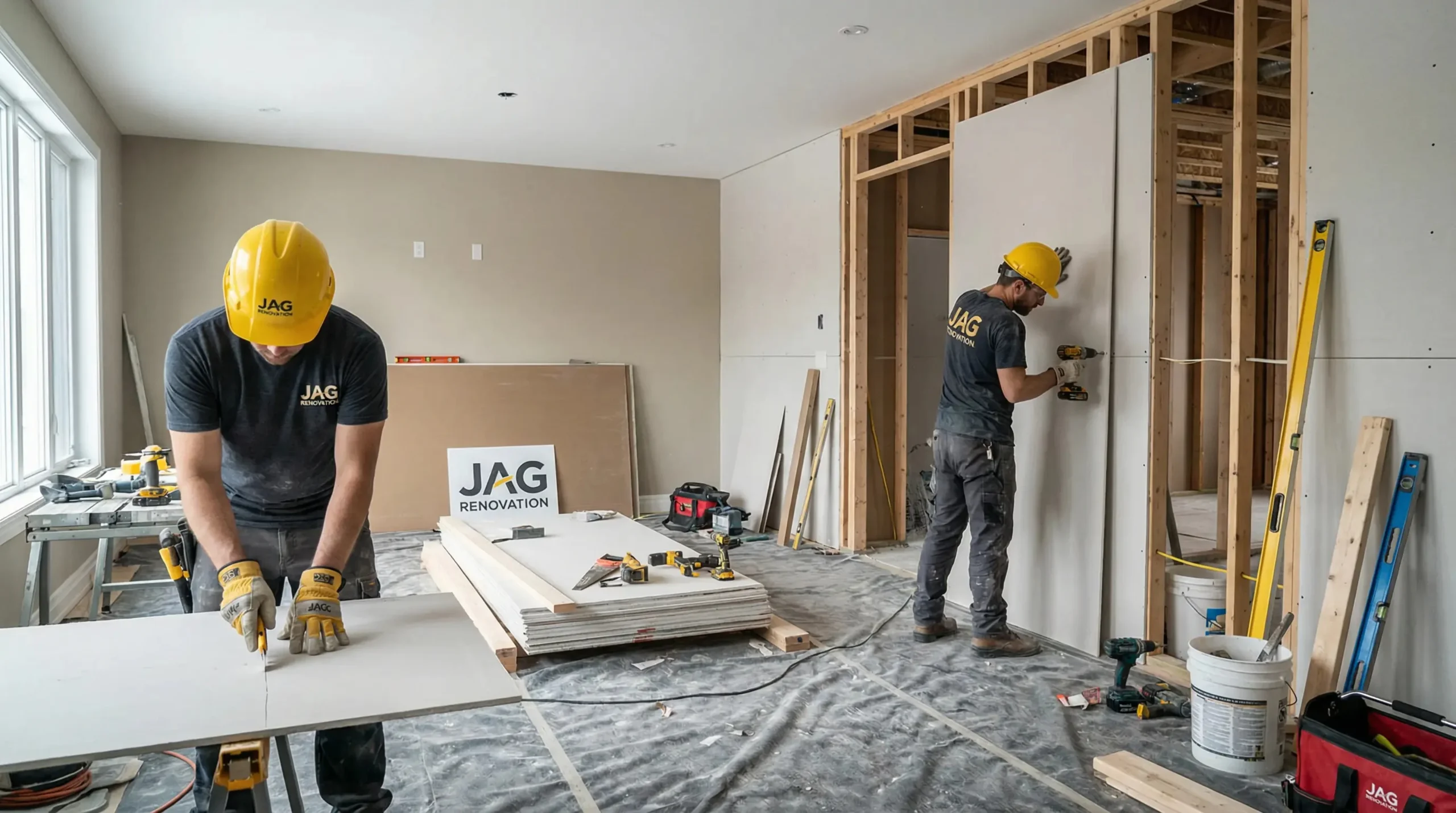
Most homeowners have never lived through a major remodel. You might have watched renovation shows or heard stories from friends, but nothing quite prepares you for the reality of construction happening in your daily living space. The dust, the noise, the constant presence of workers—it’s a lot.
The truth is, renovations are messy. They’re loud. They disrupt everything from your morning coffee routine to where you can safely walk in socks. But they’re also temporary. When you know what’s coming, you can plan around it instead of just reacting to it.
Your biggest challenges will likely be dust that gets everywhere despite barriers, noise during work hours, limited access to essential spaces like kitchens and bathrooms, and the mental fatigue of making dozens of decisions while living in chaos. Understanding this upfront helps you set realistic expectations. It also helps you prepare your family for what’s ahead and make smart choices about timing and scope.

One of the first questions homeowners ask is how long they’ll be living in a construction zone. The answer depends on your project scope, but here’s what you should know: most timelines you hear are best-case scenarios. Reality usually adds time.
A bathroom remodel might take two to four weeks. A kitchen remodel could run six to twelve weeks. Flooring projects vary based on square footage and material, while painting and carpentry work depends on the extent of repairs and customization you need. But here’s the reality check—delays happen. Materials arrive late. Hidden issues pop up behind walls when you start opening things up. Inspections take longer than expected. Weather affects deliveries.
Smart contractors build buffer time into their schedules. If a contractor promises a kitchen remodel in exactly four weeks with no wiggle room, that’s a red flag. A realistic timeline accounts for the unexpected without padding the schedule unnecessarily. You want honesty, not optimism.
Ask your contractor for a detailed schedule showing what happens when. This becomes your roadmap through the renovation. You’ll know when the noisiest work happens, when you’ll lose access to certain spaces, and when things should start looking finished instead of destroyed. That schedule also becomes your accountability tool.
The key is flexibility paired with accountability. We communicate any changes immediately and explain what caused the delay and how we’re addressing it. You’re not asking for perfection—you’re asking for honesty and a plan to get back on track.
Before the first contractor arrives, you need to prepare your home and your family for what’s coming. This isn’t about packing up your entire house, but it is about protecting what matters and creating space for the work to happen efficiently. A little prep work now saves a lot of headaches later.
Start by designating a safe zone—at least one room that stays completely off-limits to construction. This becomes your retreat when the chaos feels overwhelming. It should be clean, comfortable, and as far from the construction noise as possible. Many homeowners choose a bedroom or living room on the opposite side of the house. This is your sanctuary.
Next, clear out the renovation area. If you’re remodeling your kitchen, you’ll need to pack up everything in the cabinets and drawers. But here’s the thing—this is also your chance to declutter. Don’t pack items you haven’t used in years just to unpack them into your beautiful new space. Be ruthless. Donate, toss, or store items you don’t actually need. You’ll thank yourself later.
For items you’re keeping, pack them in labeled boxes and store them somewhere accessible but out of the way. Your garage, basement, or a spare bedroom works well. Just make sure you can still get to everyday essentials without digging through ten boxes. Organization now prevents frustration mid-project.
Protect your floors in non-construction areas with runners or plastic sheeting. Cover furniture near the work zone with drop cloths. Move valuables, family photos, and anything fragile to your safe zone or off-site storage. Assume dust will travel farther than you think.
Talk to your family about what’s happening and when. Kids especially need to understand which areas are off-limits and why. Set ground rules with your contractor about work hours, access to your home, and where crew members can and can’t go. Clear boundaries prevent uncomfortable situations.
The more you prepare upfront, the less stressful the actual construction becomes. You’re not just protecting your stuff—you’re protecting your ability to function normally while your home transforms around you.
Want live answers?
Connect with a Jaguar Renovation expert for fast, friendly support.
Losing access to your kitchen or bathroom is where renovation reality really hits hard. These aren’t just rooms—they’re essential to your daily survival. You can’t just skip cooking for six weeks or stop using the bathroom because it’s under construction. Real life doesn’t work that way.
The solution is creating temporary versions of these spaces in other parts of your home. It won’t be as convenient as your regular setup, but with some creativity and planning, you can maintain most of your normal routines. Think of it as camping, but with better amenities and your own bed at night.
For kitchens, think about setting up a makeshift food prep station in your dining room, garage, or even a corner of your living room. You’ll need access to your refrigerator (move it if necessary), a microwave, a toaster oven, and maybe a hot plate or slow cooker. Keep it simple—paper plates and plastic utensils eliminate the dishwashing problem entirely. Yes, it’s wasteful. It’s also temporary and keeps you sane.

Your temporary kitchen doesn’t need to be fancy, but it does need to be functional for the duration of your kitchen remodeling project. Start by choosing a location that has electrical outlets and is close to a water source if possible. Many Suffolk County homeowners use their dining room or set up a folding table in the garage. The goal is creating a workable space that doesn’t make you feel like you’re roughing it.
Move your refrigerator to this temporary space if you can. Having access to cold storage and your freezer makes meal planning infinitely easier. You can prep freezer meals before the renovation starts, then just reheat them as needed. Stock up on non-perishable items, disposable plates and utensils, and easy-to-prepare foods. This isn’t the time for gourmet cooking.
Your temporary kitchen should include a microwave for reheating, a toaster oven for basic cooking, and consider adding an electric kettle for hot water, a slow cooker for one-pot meals, and an electric skillet if you want more cooking flexibility. If you have an outdoor grill, use it often—grilling season becomes your best friend during a kitchen remodel. Burgers, chicken, vegetables—everything tastes better when you’re not dealing with construction dust.
For washing dishes, you’ll need a workaround. Some homeowners use their bathroom sink, others set up a plastic tub system with buckets for wash and rinse water, and some just embrace disposable everything for the duration. There’s no shame in making life easier during construction. Pick the option that preserves your sanity.
The key is keeping your routine as normal as possible. If you drink coffee every morning, make sure your coffee maker is accessible in your temporary setup. If your kids grab snacks after school, keep those within reach. Small touches of normalcy make the temporary setup feel less like camping in your own home and more like a minor inconvenience.
Plan your meals around what you can actually cook with limited equipment. This isn’t the time for complicated recipes with twelve ingredients and four cooking methods. Think sandwiches, salads, slow cooker meals, grilled proteins, and takeout when you need a break. Give yourself permission to simplify. Order pizza. Nobody’s judging.
Bathroom remodeling presents a different challenge entirely. You can’t just not have a bathroom. Basic human needs don’t pause for construction. If you’re renovating your only bathroom, you’ll need to get creative and plan carefully. If you have multiple bathrooms, renovate them one at a time so you always have access to facilities. This seems obvious, but you’d be surprised how many people don’t think it through.
For homes with only one bathroom being remodeled, some homeowners rent a portable toilet for their yard, others make arrangements to use a neighbor’s bathroom during the day, and many schedule the most disruptive work for times when they can stay elsewhere—maybe with family or at a hotel for a few nights. Talk to us about phasing the work so the toilet and shower aren’t both out of commission simultaneously. Even one working fixture makes a huge difference.
If you’re remodeling one bathroom while another remains functional, create a schedule for your family. Morning routines become more complicated when everyone’s sharing one bathroom instead of two. Stagger wake-up times if possible. Keep only essential toiletries in the working bathroom to reduce clutter. Consider keeping a basket of personal items that each family member can carry in and out—this prevents the bathroom from becoming a disaster zone.
The bathroom situation tests everyone’s patience more than almost any other aspect of renovation. Set expectations with your family upfront. Explain the timeline, the temporary arrangements, and why it’s worth the inconvenience. Remind everyone (including yourself) that it’s temporary. A few weeks of inconvenience is worth years of enjoying a beautiful, functional bathroom that actually meets your needs.
Stock your working bathroom with extra toilet paper, keep cleaning supplies handy since it’ll get more use than usual, and maintain a sense of humor about the whole situation. You’re all in this together, and sometimes laughing about the absurdity of the situation is the best coping mechanism you have. Share the stories later—they make great dinner party conversation once the renovation’s done.
Even with the best dust barriers and containment systems, renovation dust finds its way into every corner of your home. It’s one of the most frustrating parts of living through a remodel, and it’s also largely unavoidable. Drywall dust is the worst—it’s fine, it’s everywhere, and it seems to multiply overnight.
Professional contractors use plastic sheeting to seal off work areas, but dust is sneaky. It finds gaps. It travels through vents. It settles on surfaces you didn’t even know existed. Change your HVAC filters frequently—weekly during heavy construction if you’re running your system. Use air purifiers in your living spaces to help capture airborne particles. Accept that you’ll be cleaning more often than usual, but don’t drive yourself crazy trying to keep everything spotless while construction is active. Save the deep cleaning for when the project’s done. You’ll just be re-cleaning tomorrow anyway.
Noise is another reality you can’t eliminate, but you can manage it with planning and communication. Discuss work hours with your contractor upfront. Most construction happens during business hours, but clarify exactly when crews will arrive and leave. If you work from home, plan your most important calls or focused work for times when the noisiest tasks aren’t happening. Sometimes that means adjusting your schedule temporarily—taking lunch when demolition’s happening, or scheduling calls for early morning before the crew arrives.
Summary:
Share: