
Hear from Our Customers
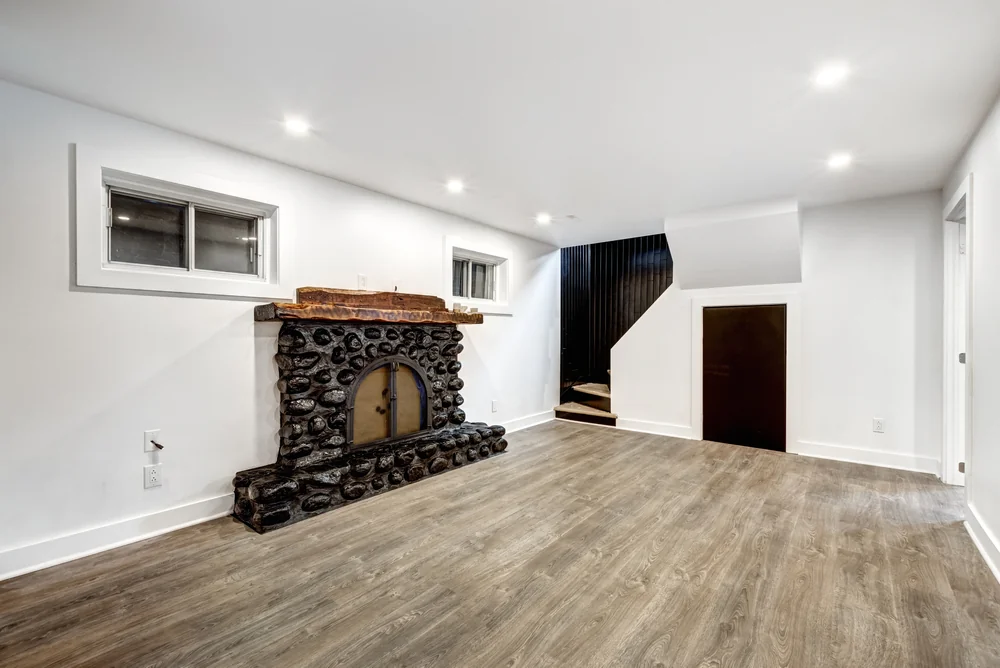
Your basement stops being that damp storage space you avoid. It becomes the home office you’ve been working from your kitchen table wishing you had. Or the playroom that finally gets the kids’ toys out of your living room. Maybe it’s the guest suite that means your in-laws don’t need a hotel, or the entertainment space where you actually want to spend Friday nights.
The return matters too. Basement finishing typically recovers 70-75% of your investment when you sell. That’s better than most renovations, and it’s real square footage you’re adding without the cost of building out or up.
But here’s what really changes: you stop feeling like you’re wasting half your home. That’s the part nobody talks about—the mental load of walking past an unfinished basement for years, knowing it could be something better. When it’s done right, that weight lifts.
The difference between a basement remodel that works and one that doesn’t comes down to three things: moisture control that actually handles Long Island humidity, contractors who know Suffolk County codes inside and out, and a crew that shows up when they say they will.
We’ve spent nearly a decade working on homes across Bay Shore, Brentwood, West Babylon, and the rest of Suffolk County. We’re licensed, insured, and we only use in-house crews—no subcontractors rotating through your home.
That matters more than it sounds like it does. When the same team handles your entire basement renovation from framing to finish, you’re not dealing with scheduling chaos or finger-pointing when something needs adjustment. One crew, one point of contact, one company standing behind the work.
We also don’t play the hidden cost game. You get fixed pricing upfront, a one-year warranty on workmanship, and no sales pressure. If you’ve dealt with other basement remodel contractors on Long Island, you know that’s not standard. It should be.
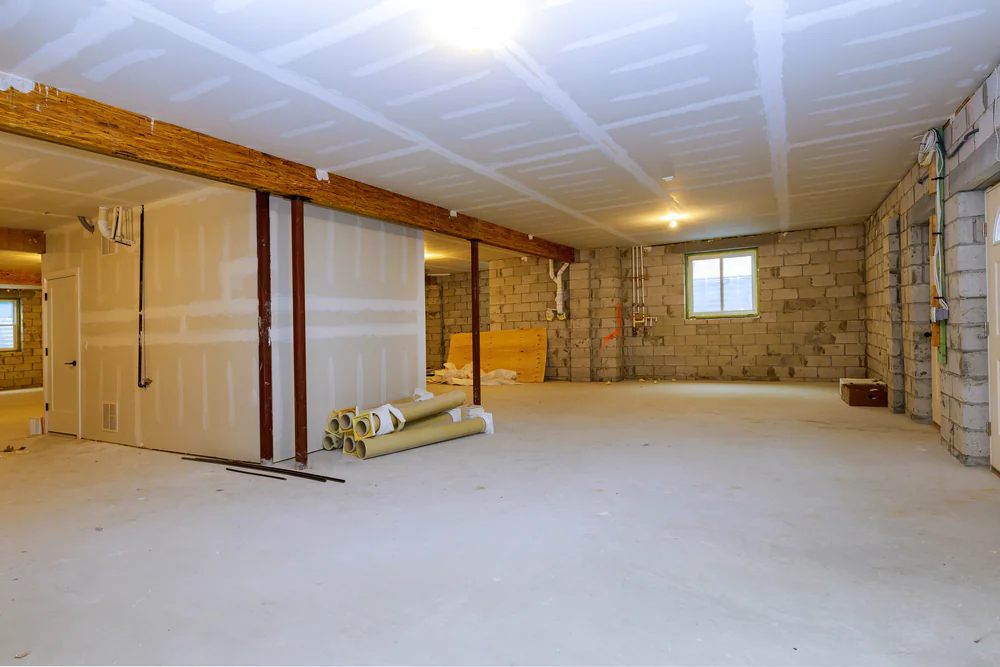
First, we come look at your basement. Not to sell you, but to see what you’re working with—ceiling height, moisture issues, electrical and plumbing access, egress requirements. Suffolk County has specific codes for finished basements, including that 7-foot minimum ceiling height and proper egress windows. We measure, we check for water intrusion, and we talk through what you actually want to use the space for.
Then we give you a fixed price. Not an estimate that balloons later—a real number that includes permits, materials, labor, and Suffolk County inspections. If your basement needs waterproofing or structural work before we can finish it, we tell you that upfront.
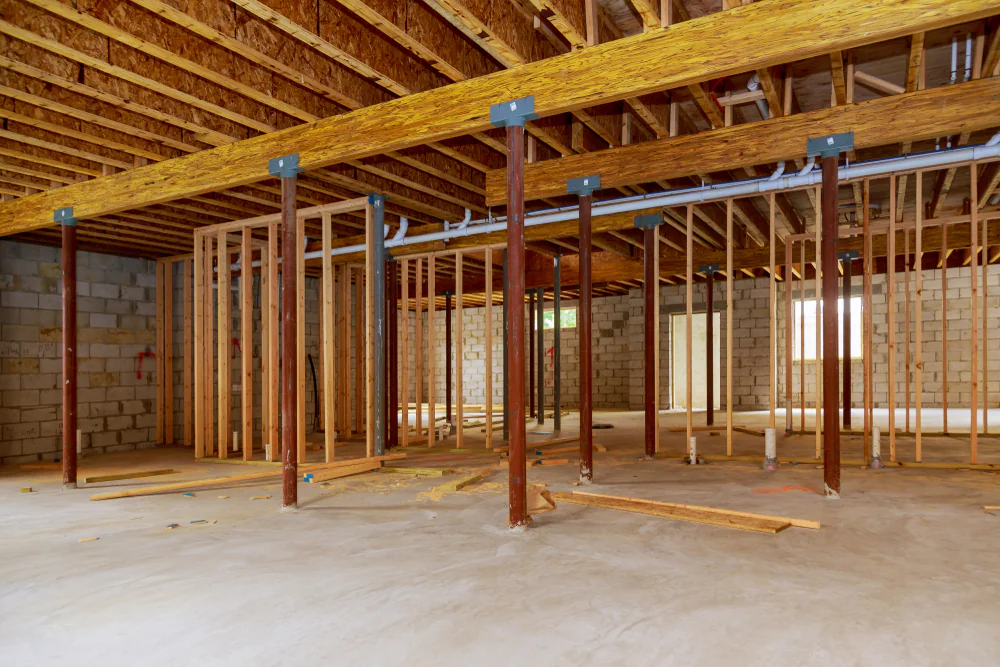
Once you’re ready to move forward, we pull permits and schedule the work. Our crew shows up consistently—same team, same standards. We handle framing, electrical, plumbing, insulation, drywall, flooring, and whatever finish work your design calls for. We’re also cleaning up daily, because nobody wants to live in a construction zone longer than necessary.
Throughout the job, you’re talking to the same people. No subcontractors means no communication gaps. When the work’s done, we walk through it with you and the county inspector to make sure everything meets code and your expectations.
Ready to get started?
Basement finishing in Bay Shore isn’t just drywall and paint. You’re dealing with moisture management in a coastal climate where humidity runs high from June through September. That means vapor barriers, moisture-resistant materials, and proper ventilation—not just because it’s code, but because mold grows in 24-48 hours when conditions are right.
You’re also paying for egress windows that meet Suffolk County requirements, which are stricter than standard because of hurricane ratings. You need electrical that’s up to code, insulation that actually improves your energy efficiency, and framing that accounts for Long Island’s high water table and clay soil conditions.
The typical Bay Shore basement finishing project runs between $98-$135 per square foot in 2025. That’s higher than national averages, but it reflects real costs—Long Island labor rates, Suffolk County permit fees, and materials rated for coastal conditions. When contractors quote significantly lower, they’re either cutting corners on waterproofing, skipping permits, or planning to hit you with change orders.
What you should expect from professional basement remodel contractors: a detailed scope of work, transparent pricing, proper licensing and insurance, Suffolk County permits pulled in your name, and a warranty that means something. You should also expect your basement to stay dry, pass inspection, and actually feel like part of your home when it’s done.

Most basement finishing projects in Bay Shore run between $98 and $135 per square foot as of 2025. For an average 800-square-foot basement, you’re looking at roughly $78,000 to $108,000 for a complete, code-compliant finish.
That price includes permits, moisture barriers, framing, electrical, insulation, drywall, flooring, and finish work. It also accounts for Suffolk County’s specific requirements—egress windows rated for hurricanes, proper ventilation systems, and inspections at multiple stages.
If your basement needs waterproofing, foundation repair, or significant structural work before finishing, add another $5,000 to $15,000 depending on severity. If you want a bathroom or kitchenette, plumbing rough-in and fixtures add $8,000 to $20,000. These aren’t upsells—they’re real costs that honest basement contractors discuss upfront, not after you’ve signed.
Yes. Suffolk County requires permits for basement finishing, and any contractor who tells you otherwise is setting you up for problems when you sell or if something goes wrong.
The permit process covers framing, electrical, plumbing, egress windows, and final inspections. Suffolk County specifically requires minimum 7-foot ceiling heights in finished basements, proper egress for bedrooms, and moisture control systems that meet code. Inspectors check at multiple stages, not just at the end.
Permits aren’t just bureaucracy—they’re proof your basement was finished safely and legally. When you sell your home, buyers’ inspectors and appraisers will ask for permit records. Unpermitted work can kill a sale, force you to rip out and redo the work, or reduce your home’s value significantly. Working with licensed basement finishing contractors who pull permits in your name protects your investment and keeps you on the right side of county regulations.
A full basement finishing project typically takes 6 to 10 weeks from permit approval to final inspection. That timeline assumes no major surprises and normal inspector availability in Suffolk County.
The first week or two involves framing and rough-in work—electrical, plumbing, HVAC if you’re adding it. Then comes insulation and drywall, which takes another week to 10 days including mud, tape, and sanding. After that, you’re into finish work: flooring, trim, paint, fixtures, and final details.
Suffolk County inspections happen at specific stages, and you can’t move forward until each phase passes. That’s where timeline delays usually happen—not because of the work itself, but because inspection schedules can push things back a few days. We know how to schedule around this and keep the project moving. Contractors who don’t know the local process tend to hit delays they didn’t plan for, which is why experience in Suffolk County specifically matters for basement remodeling.
Not if it’s done right. Bay Shore’s coastal humidity and Long Island’s high water table mean moisture management isn’t optional—it’s the foundation of every successful basement renovation.
Proper basement finishing starts below the slab. You need to address any existing water intrusion before finishing anything. That might mean exterior waterproofing, interior drainage systems, or sump pump installation depending on your specific situation. Then you’re using moisture-resistant materials—not standard drywall in areas prone to humidity, but mold-resistant drywall or inorganic materials that won’t support growth even when damp.
Ventilation matters too. Suffolk County code requires proper air exchange in finished basements, which usually means extending your HVAC system or adding dedicated ventilation. This isn’t about comfort—it’s about preventing the conditions where mold grows in 24-48 hours.
Contractors who skip these steps might save you money upfront, but you’ll pay for it in mold remediation, health issues, and ripping out work that failed. The difference between a basement that stays dry and one that doesn’t comes down to whether your contractor understands Long Island conditions specifically, not just general basement finishing.
Yes, but Suffolk County has specific requirements that make it more involved than just framing a room and calling it a bedroom.
For a legal bedroom in a finished basement, you need a proper egress window—minimum 5.7 square feet of opening, at least 24 inches high and 20 inches wide, with the sill no more than 44 inches from the floor. In Bay Shore, those windows also need to meet hurricane ratings, which increases cost. You’ll also need dedicated HVAC to that space and proper fire safety measures including smoke and carbon monoxide detectors.
Bathrooms require plumbing rough-in, which means breaking the concrete slab to run drain lines if they’re not already there. You’ll need proper venting to the outside, not just into the basement space. Expect permits and inspections for both the plumbing and electrical work.
These additions typically add $15,000 to $35,000 to your basement remodel cost depending on complexity and how much existing infrastructure you have to work with. But they also add the most value—a basement with a full bathroom and legal bedroom is worth significantly more than open recreation space. We can tell you upfront whether your basement can support these additions or what it would take to make it work.
Start with licensing and insurance. In Suffolk County, your contractor should have a home improvement license and carry both liability and workers’ comp insurance. Ask to see proof—not just that they have it, but that it’s current and covers your project specifically.
Then ask about their process for permits and inspections. The right answer is that they pull permits in your name, schedule inspections at required stages, and have a track record of passing Suffolk County inspections without issues. If they’re vague about permits or suggest you don’t need them, walk away.
Look at how they handle pricing. Fixed pricing with a detailed scope of work protects you from the change order game that some contractors play. You should know upfront what’s included, what’s not, and what could trigger additional costs. Transparency here tells you a lot about how the rest of the project will go.
Finally, ask whether they use subcontractors or in-house crews. There’s no universally right answer, but you should know who’s actually doing the work in your home and who’s accountable when something needs adjustment. In-house crews typically mean better communication and more consistent quality because everyone answers to the same company. When you’re searching for basement renovation services in Bay Shore, these questions separate professionals from problems waiting to happen.