
Hear from Our Customers
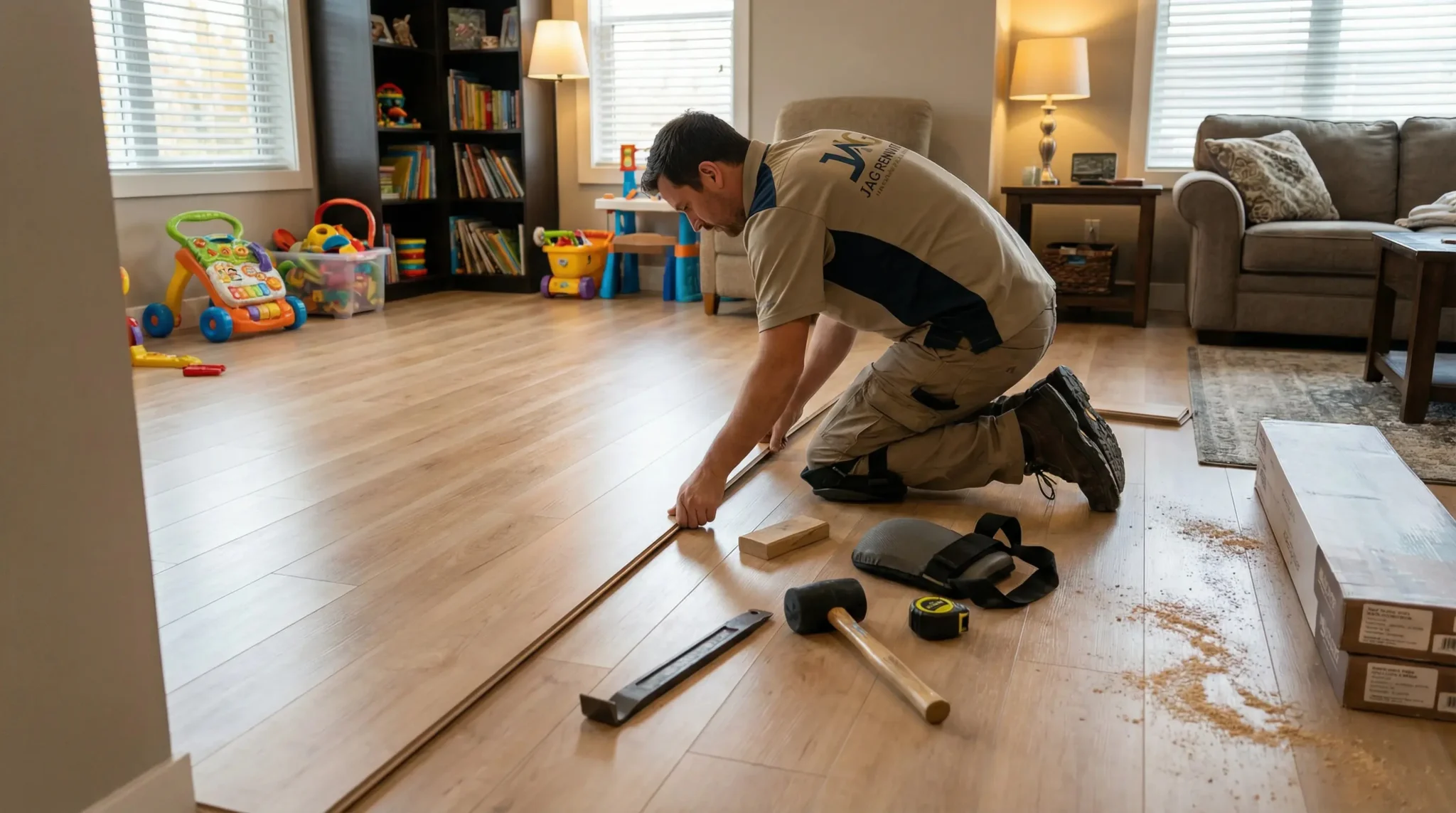
Your floors take the most abuse of any surface in your home. Kids, pets, furniture, moisture from Long Island’s humid summers—it all adds up. When installation is done right, you’re not calling someone back in six months because planks are buckling or tiles are cracking.
Proper subfloor prep matters. Moisture testing matters. Following manufacturer specs matters. These aren’t upsells—they’re the difference between flooring that holds up and flooring that becomes your next expensive problem.
You get floors that look good now and stay that way. No gaps. No squeaks. No callbacks. That’s what nearly a decade of doing this in Suffolk County gets you—experience that shows up in how your floors perform years down the line.
Jaguar Renovations has been handling interior renovations across Suffolk County for nearly ten years. We’re licensed, insured, and we’ve worked in enough Bay Shore homes to know what we’re dealing with—older foundations, varying subfloor conditions, and the moisture challenges that come with living near the water.
We’re not a flooring-only shop. We handle full interior remodels, which means we understand how your floors fit into the bigger picture of your home. That perspective matters when you’re making decisions about materials, transitions, and long-term durability.
You won’t get a high-pressure sales pitch. You’ll get a straightforward assessment, transparent pricing, and work that’s done right the first time. That’s how we’ve built our reputation here.

First, we come to your home and assess what you’re working with. We check subfloor conditions, measure moisture levels, and talk through your options based on your space, your budget, and how you actually use the room. No generic recommendations—just what makes sense for your situation.
Once you approve the plan, we handle material sourcing and scheduling. We’re upfront about timelines and what prep work is needed. If your subfloor needs leveling or moisture mitigation, we tell you before we start, not halfway through the job.
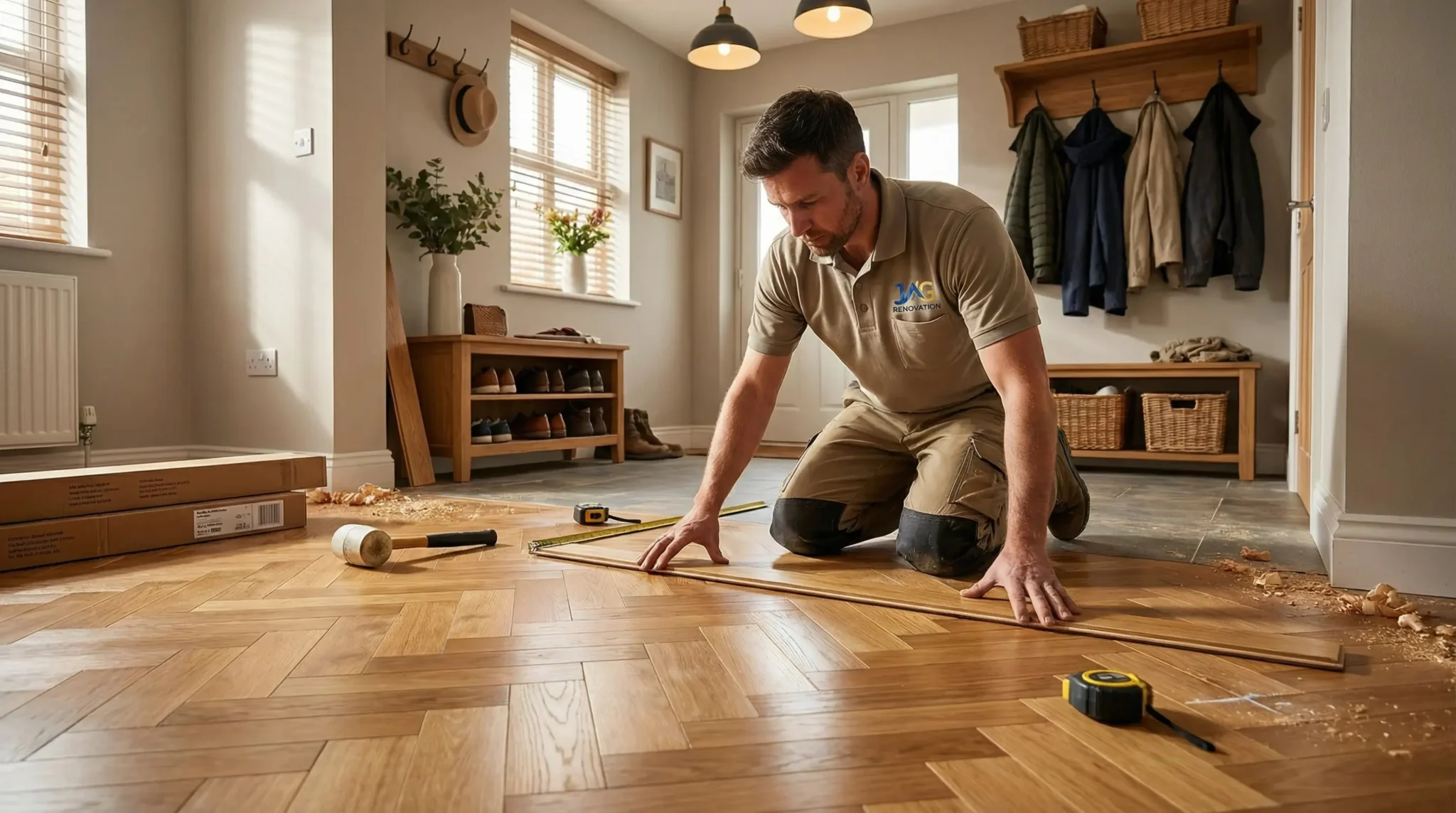
Installation follows manufacturer standards. We acclimate materials, prep surfaces properly, and install with attention to expansion gaps, transitions, and finishing details. After installation, we walk you through care and maintenance so you know how to protect your investment.
You’re not left guessing what’s happening or when. We communicate through each phase and make sure you’re comfortable with the process from start to finish.

Ready to get started?
We install hardwood, engineered wood, luxury vinyl plank, laminate, and ceramic tile. Each material has trade-offs, and we’ll tell you what they are. Hardwood looks great but needs refinishing over time. Vinyl is waterproof and low-maintenance but won’t add the same resale value. Tile is durable in wet areas but cold underfoot in winter.
Bay Shore homes—especially the older ones built in the ’60s and ’70s—often have subfloor issues that need addressing before any new flooring goes down. We handle that prep work as part of the job, not as an afterthought. Moisture is the number one cause of flooring failure, and living this close to the water means we test and treat for it.
We also refinish existing hardwood floors if that’s the better move for your budget and timeline. Sometimes your floors just need sanding and a fresh finish, not full replacement. We’ll tell you which route makes more sense based on the condition of what you already have.

If you have solid hardwood and the wear is mostly surface-level—scratches, dullness, minor staining—refinishing is usually the smarter play. You can refinish solid hardwood multiple times over its life, and it costs a fraction of what replacement does.
But if you’re seeing warping, deep gaps, water damage, or if the floor has already been refinished several times and the wood is too thin, replacement makes more sense. Same goes if you have engineered wood with a thin veneer—it can only handle one, maybe two refinishes before you hit the core.
We assess the thickness of your existing floor, check for structural issues, and give you an honest recommendation. If refinishing will buy you another decade, we’ll tell you. If you’re just delaying the inevitable, we’ll tell you that too.
Luxury vinyl plank or tile. Both handle moisture better than hardwood or laminate, which matters when you’re dealing with Long Island humidity and the occasional basement seepage that comes with older homes near the shore.
Vinyl plank has come a long way. It’s waterproof, comfortable underfoot, and available in styles that look like real wood or stone. It’s also easier to install over imperfect subfloors, which is common in homes built before the 1980s. Tile works great in bathrooms, kitchens, and entryways where water exposure is frequent.
If you’re set on hardwood for aesthetic reasons, engineered wood is a better choice than solid in high-moisture areas. It’s more stable and less prone to expansion and contraction. We’ll test your subfloor moisture levels and recommend what will actually hold up in your specific environment.
For an average-sized room—say 200 to 300 square feet—plan on two to four days. That includes subfloor prep, acclimation time for materials, installation, and finishing work like baseboards and transitions.
Larger projects or whole-home installations take longer, usually one to two weeks depending on the square footage and complexity. If we’re working around furniture, pets, or need to coordinate with other trades, that can extend the timeline.
Subfloor issues add time. If we find moisture problems or significant leveling work is needed, we address it before any flooring goes down. Rushing that part is how you end up with callbacks and warranty claims. We’d rather add a day or two upfront than have you dealing with problems six months later.
Material and labor together typically run between $8 and $15 per square foot for most residential projects, but that range shifts based on what you’re installing and what condition your subfloor is in.
Luxury vinyl and laminate are on the lower end. Hardwood and tile are higher, especially if you’re going with premium materials or intricate patterns. Add-ons like subfloor leveling, moisture barriers, or custom transitions increase the total, but those aren’t optional if your home needs them—they’re part of doing the job right.
We give you a detailed estimate upfront that breaks down material costs, labor, and any prep work. No surprises, no padding the bill halfway through. You’ll know what you’re paying for and why before we start.
Yes, rooms need to be cleared before we start. We can work around small items, but large furniture, area rugs, and anything breakable should be moved out or relocated to another part of the house.
Some flooring contractors offer furniture moving as an add-on service. We can help shift heavier pieces if needed, but we’re not a moving company—our focus is on protecting your belongings and installing your floors correctly, not hauling couches up and down stairs.
If you’re doing multiple rooms, we can work in phases so you’re not displaced from your entire home at once. We’ll coordinate a schedule that minimizes disruption and keeps at least part of your house functional during the project.
It depends on what you installed. Hardwood needs regular sweeping and occasional damp mopping with a wood-safe cleaner—no soaking, no harsh chemicals. Rugs in high-traffic areas and felt pads under furniture legs prevent scratches and wear.
Vinyl and laminate are lower maintenance. Sweep or vacuum regularly, mop with a mild cleaner, and you’re good. They’re more forgiving with water and don’t need refinishing, but they can still scratch if you drag heavy furniture or let grit sit on the surface.
Tile is the easiest—sweep, mop, done. Grout lines need occasional sealing to prevent staining, especially in kitchens and bathrooms. We’ll walk you through specific care instructions based on what we install and give you product recommendations that won’t void your warranty.