

Hear from Our Customers
Most homeowners in Baywood don’t need another sales pitch. You need someone who shows up on time, explains what’s happening, and finishes the job without surprises on the invoice.
That’s what nearly a decade of interior renovation experience looks like. You’re not wondering if the contractor knows local building codes or how to handle Suffolk County’s coastal humidity. You’re not chasing down updates or decoding vague estimates.
You’re working with a licensed contractor who treats your home like it matters. The spackling is smooth. The paint lines are clean. The custom carpentry fits. And when the job’s done, your home works better and looks the way you wanted it to—without the stress that usually comes with hiring local general contractors.
Jaguar Renovations has spent nearly ten years working inside Suffolk County homes. We know what Baywood homeowners deal with—older construction that needs updating, coastal weather that tests finishes, and the challenge of finding a home improvement contractor you can actually trust.
We’re licensed, insured, and we don’t operate like the high-pressure remodelers who pad estimates or disappear mid-project. Our work covers kitchens, bathrooms, basements, flooring, custom carpentry, and expert-level painting and spackling. We handle permits, coordinate inspections, and keep you informed without making you ask twice.
Baywood is part of a strong residential community in Islip, and we’ve built our reputation here by doing what we say we’ll do. No hidden costs. No surprises. Just honest work that holds up.

You reach out, and we schedule a time to walk through your home. We look at what you want to change, ask questions about how you use the space, and talk through options that fit your budget and timeline.
From there, we put together a clear estimate. No fine print. No upsells buried in the proposal. You’ll know what the work costs, how long it takes, and what’s included before anything starts.
Once you’re ready to move forward, we pull permits if needed, order materials, and get on your calendar. Our team shows up when we say we will, keeps the work area contained, and updates you as the project moves along. We don’t leave a mess, and we don’t disappear between phases.
When the work’s done, we walk through it with you to make sure everything meets your expectations. Then we clean up, haul out debris, and hand over a finished space you can actually use. That’s the process—no drama, no shortcuts.

Ready to get started?
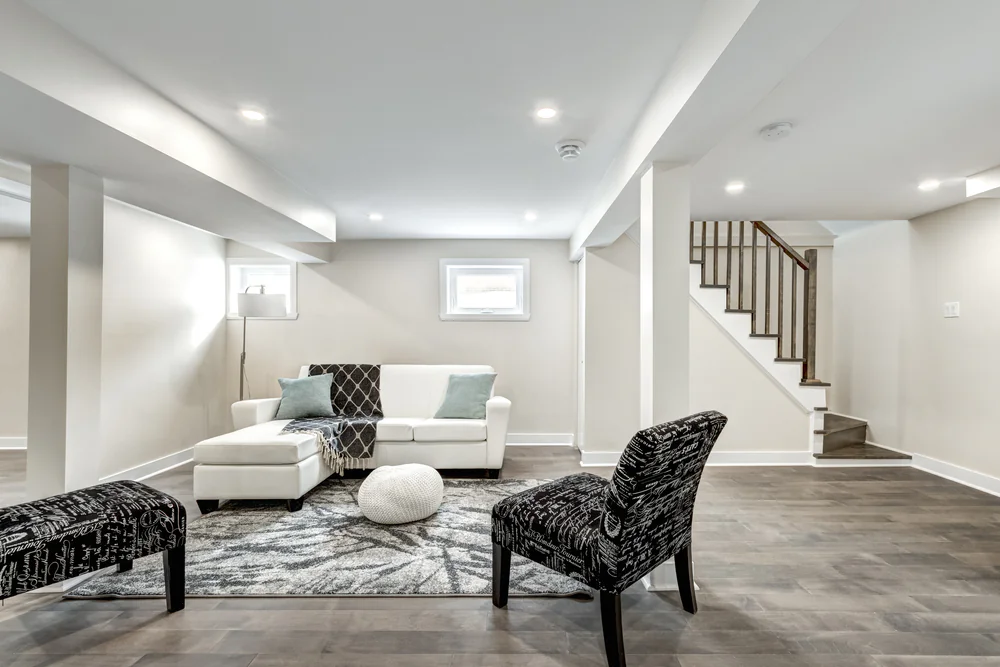
We specialize in interior renovations—the kind of work that makes your home more functional and easier to live in. That includes kitchen remodels, bathroom updates, basement finishing, custom carpentry, flooring installation, and high-level spackling and painting.
In Baywood and across Suffolk County, homes are dealing with aging infrastructure, outdated layouts, and the wear that comes with Long Island’s coastal climate. You need a residential contractor who understands how to prep surfaces properly, choose materials that hold up to humidity, and navigate local building codes without delays.
We also manage the permit process. That means submitting applications, scheduling inspections, and making sure the work meets town requirements in Islip. It’s not glamorous, but it keeps your project legal and protects your home’s value.
Suffolk County home prices have climbed over 4% in the past year, with the median sale price now at $675,000. If you’re staying in your home instead of selling, the improvements you make need to be done right. We focus on quality craftsmanship that increases comfort, efficiency, and resale value—without the premium markup you’d expect from bigger remodeling companies.

On Long Island, interior renovation costs typically range from $15 to $60 per square foot, depending on the scope and finishes. For a 2,000-square-foot home, that puts most projects between $30,000 and $120,000.
In Baywood specifically, costs depend on what you’re updating. A full kitchen remodel with new cabinets, countertops, and appliances will cost more than refreshing a bathroom or finishing a basement. Custom carpentry, high-end flooring, and structural changes also increase the budget.
We give you a transparent estimate upfront so you know what to expect. No hidden fees. No surprise charges. If something changes during the project, we talk through it before moving forward. That’s how you avoid the budget creep that makes homeowners regret hiring a contractor in the first place.
Yes, most interior renovations in Baywood require permits from the Town of Islip building department. That includes kitchen and bathroom remodels, electrical or plumbing work, structural changes, and basement finishing.
Permits aren’t just red tape. They ensure the work meets safety codes, gets inspected properly, and doesn’t create issues when you sell your home. Unpermitted work can kill a sale or force you to redo everything at your own expense.
We handle the permit process for you. That means submitting applications, coordinating inspections, and making sure everything is documented correctly. We’ve worked with Islip’s building department for years, so we know what they require and how to avoid delays. You don’t have to worry about navigating the process yourself or risking fines for unpermitted work.
Timelines depend on the scope of work. A bathroom remodel typically takes two to three weeks. A full kitchen renovation usually runs four to six weeks. Basement finishing can take anywhere from three to eight weeks, depending on size and complexity.
Delays happen when permits take longer than expected, materials arrive late, or the contractor finds issues once walls are opened up. We build realistic timelines into every estimate and keep you updated if anything changes.
In Baywood, we’re also working around Suffolk County’s building inspection schedules, which can add a few days here and there. But we coordinate those inspections in advance and plan the work sequence to minimize downtime. You won’t be left waiting weeks between phases because someone forgot to schedule an inspection. We stay on top of it so your project keeps moving.
Baywood sits in Suffolk County, where coastal humidity, older home construction, and strict building codes create specific challenges. A general contractor who works here regularly understands how to prep surfaces so paint doesn’t peel, how to handle moisture issues in basements, and how to navigate Islip’s permitting requirements without delays.
Local general contractors also have relationships with inspectors, suppliers, and subcontractors in the area. That means faster permit approvals, better material pricing, and reliable tradespeople who show up when scheduled.
If you hire someone from outside the area, they’re learning on your dime. They don’t know which inspectors are sticklers for details or which building supply yards stock the materials that hold up best in Long Island’s climate. We’ve been working in Suffolk County for nearly a decade, so we’ve already figured that out. You benefit from that experience without paying for someone else’s learning curve.
In New York, home improvement contractors must be licensed if they’re doing work over $200. You can verify a contractor’s license through the New York State Department of Consumer Affairs or by asking to see their license number directly.
Insurance is just as important. A licensed contractor should carry general liability insurance and workers’ compensation coverage. Liability insurance protects your home if something gets damaged during the project. Workers’ comp protects you if someone gets hurt on your property.
We’re fully licensed and insured, and we’re happy to provide proof before any work starts. If a contractor hesitates to show you their credentials or says they’re “working on it,” that’s a red flag. Don’t let anyone start work on your Baywood home without confirming they’re properly covered. It’s not worth the risk.
Start with licensing and insurance—those are non-negotiables. Then look at experience. How long have they been working in Suffolk County? Do they specialize in the type of work you need, or are they generalists who do a little of everything?
Ask for a written estimate that breaks down labor, materials, and timelines. Vague proposals with lump-sum pricing make it easy for costs to creep up later. You want transparency from the start.
Finally, pay attention to communication. Do they return calls? Do they explain things clearly, or do they talk over your head? A good residential contractor treats you like a partner, not a paycheck. We’ve built our business on clear communication, honest pricing, and quality work that doesn’t need a do-over. If that’s what you’re looking for in a home improvement contractor, we’re ready to talk.