
Hear from Our Customers
You’re not looking for the cheapest quote. You’re looking for someone who shows up, does clean work, and doesn’t leave you guessing about costs or timing.
That’s what matters when you’re dealing with sheetrock installation or drywall repair in your Baywood home. You want walls that look finished, not rushed. You want someone who understands that your time matters and your home isn’t a practice job.
When the work’s done right, you don’t think about your walls anymore. They’re smooth, they’re ready for paint, and they don’t crack six months later because someone skipped the taping or used subpar materials. That’s the standard here—work that holds up because it was done with care from the start.
We’ve been handling interior work across Suffolk County for almost ten years. That means we’ve seen what goes wrong when corners get cut, and we’ve built our process around avoiding those problems entirely.
We’re not the crew that disappears halfway through or adds mystery charges at the end. We’re the ones who walk you through what’s happening, keep the job site respectful of your space, and finish when we say we will.
Baywood homeowners deal with the same frustrations everywhere else does—contractors who don’t communicate, timelines that stretch, work that looks fine until it doesn’t. We’ve heard it enough times to know what you’re trying to avoid, and we’ve structured everything we do to be the opposite of that experience.
It starts with a conversation about what you need. Maybe it’s new sheetrock for a basement remodel, drywall repair after a leak, or full walls for an addition. We look at the space, talk through your timeline, and give you a clear price—no upselling, no vague estimates.
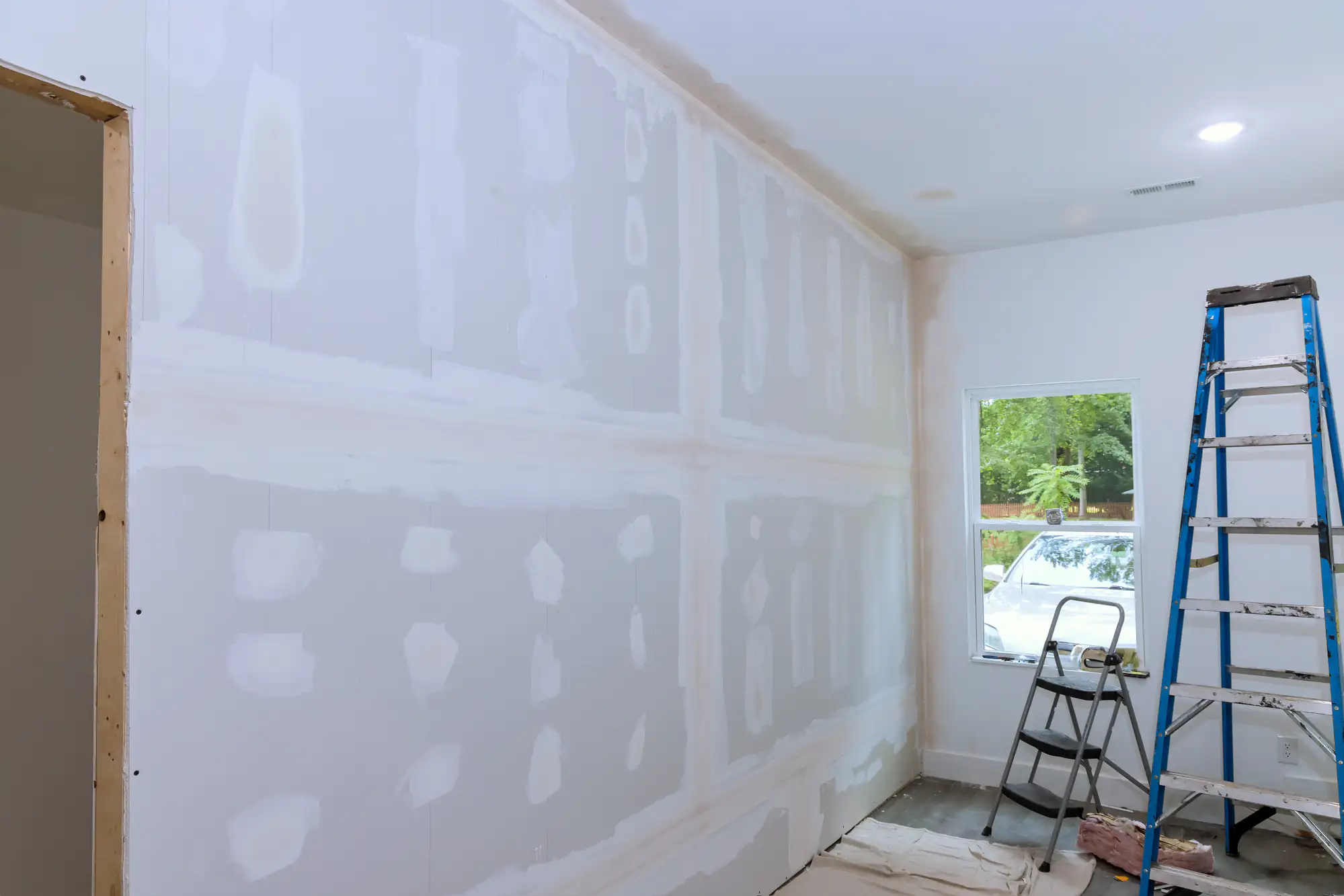
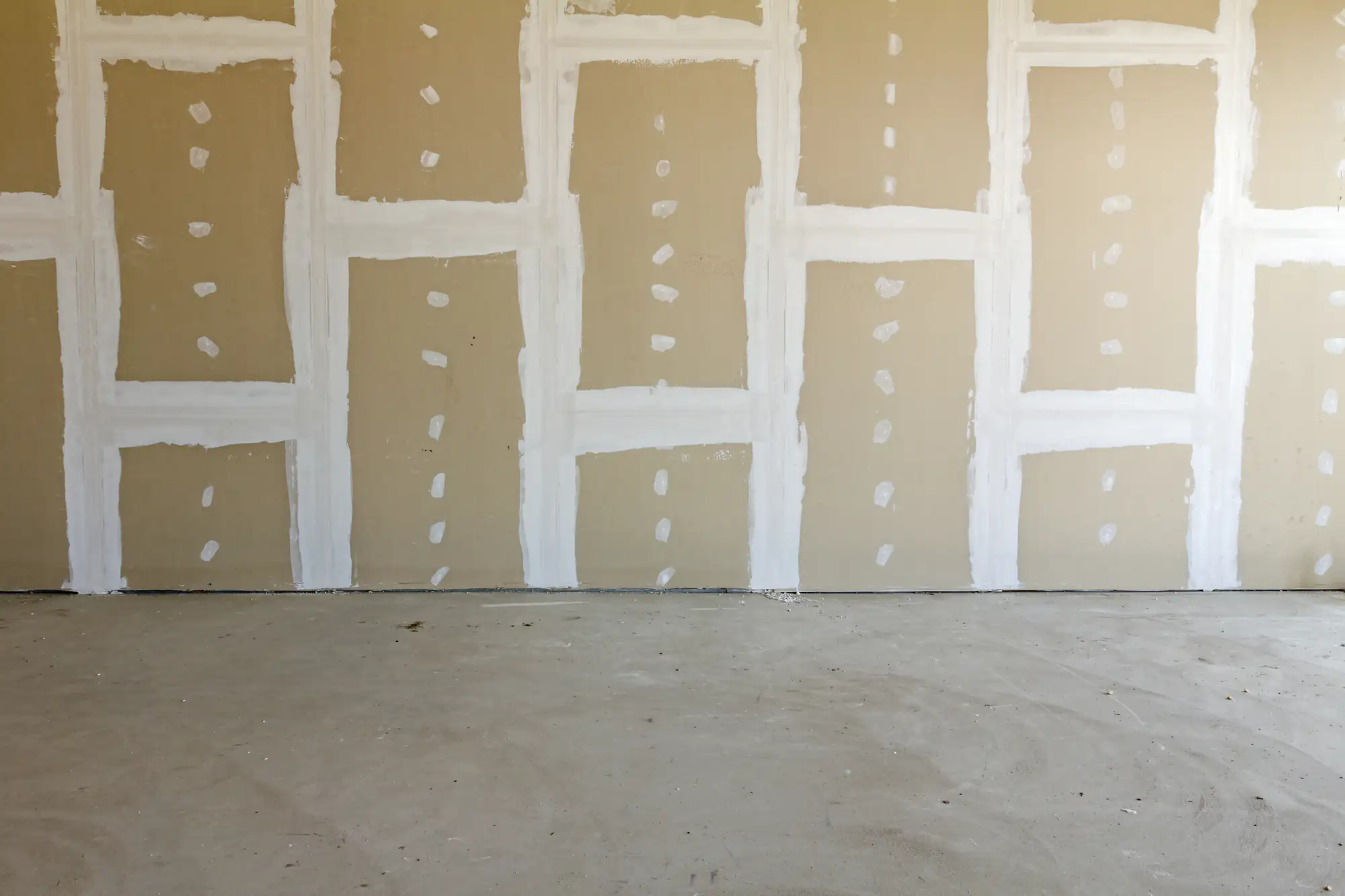
Once we start, the process is straightforward. We measure and cut sheetrock to fit your space, secure it properly to studs or framing, and make sure every seam is tight. Then comes taping and mudding—the part that separates decent work from professional work. We apply joint compound in layers, let it dry between coats, and sand it smooth so your painter isn’t fixing our mistakes.
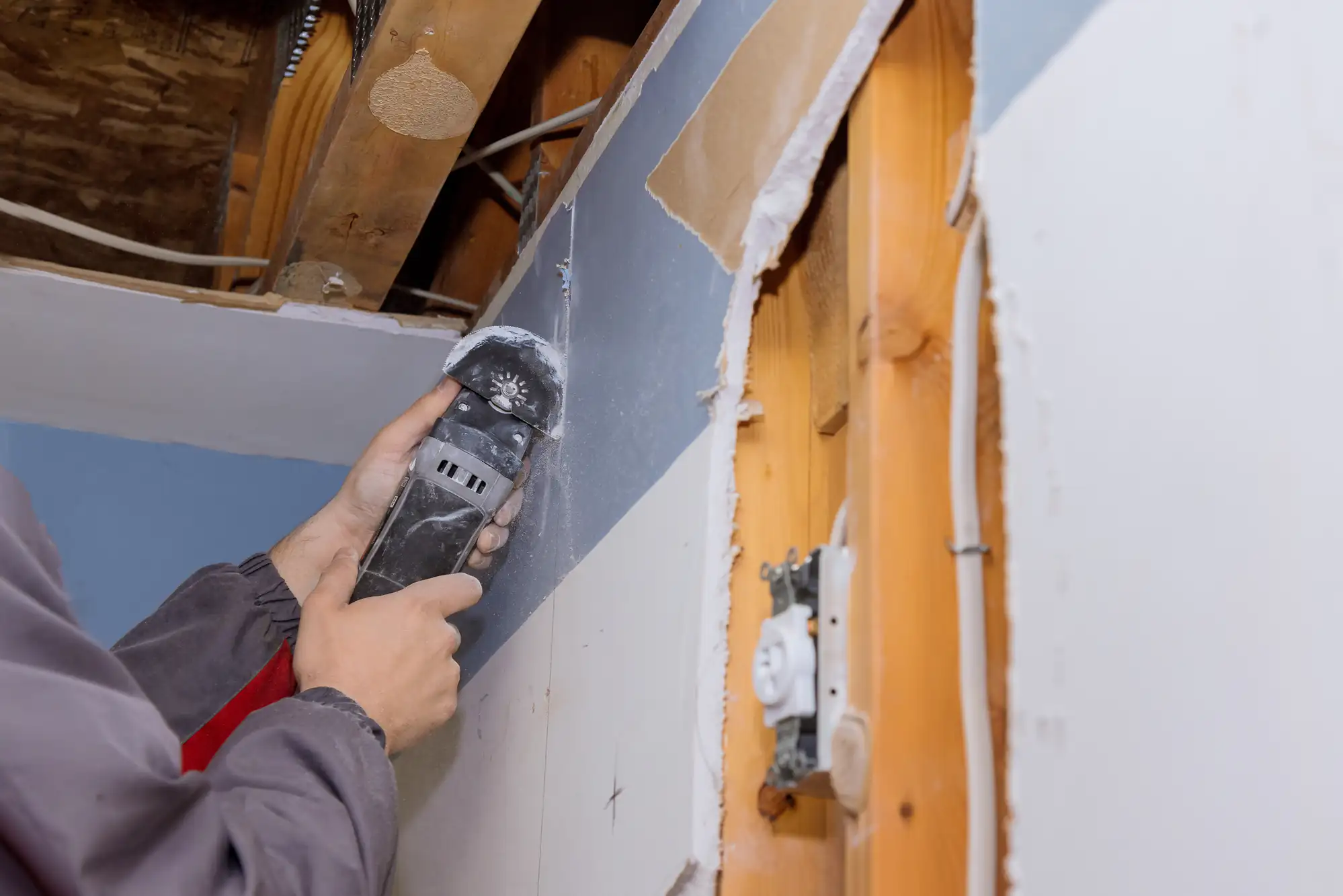
If there’s existing damage, we cut out the problem area, patch it correctly, and blend it so you can’t tell where the repair was. Same attention to detail whether it’s one wall or an entire floor. You’re not left wondering what’s next or when we’ll be back—we keep you in the loop and clean up when we’re done.
Ready to get started?
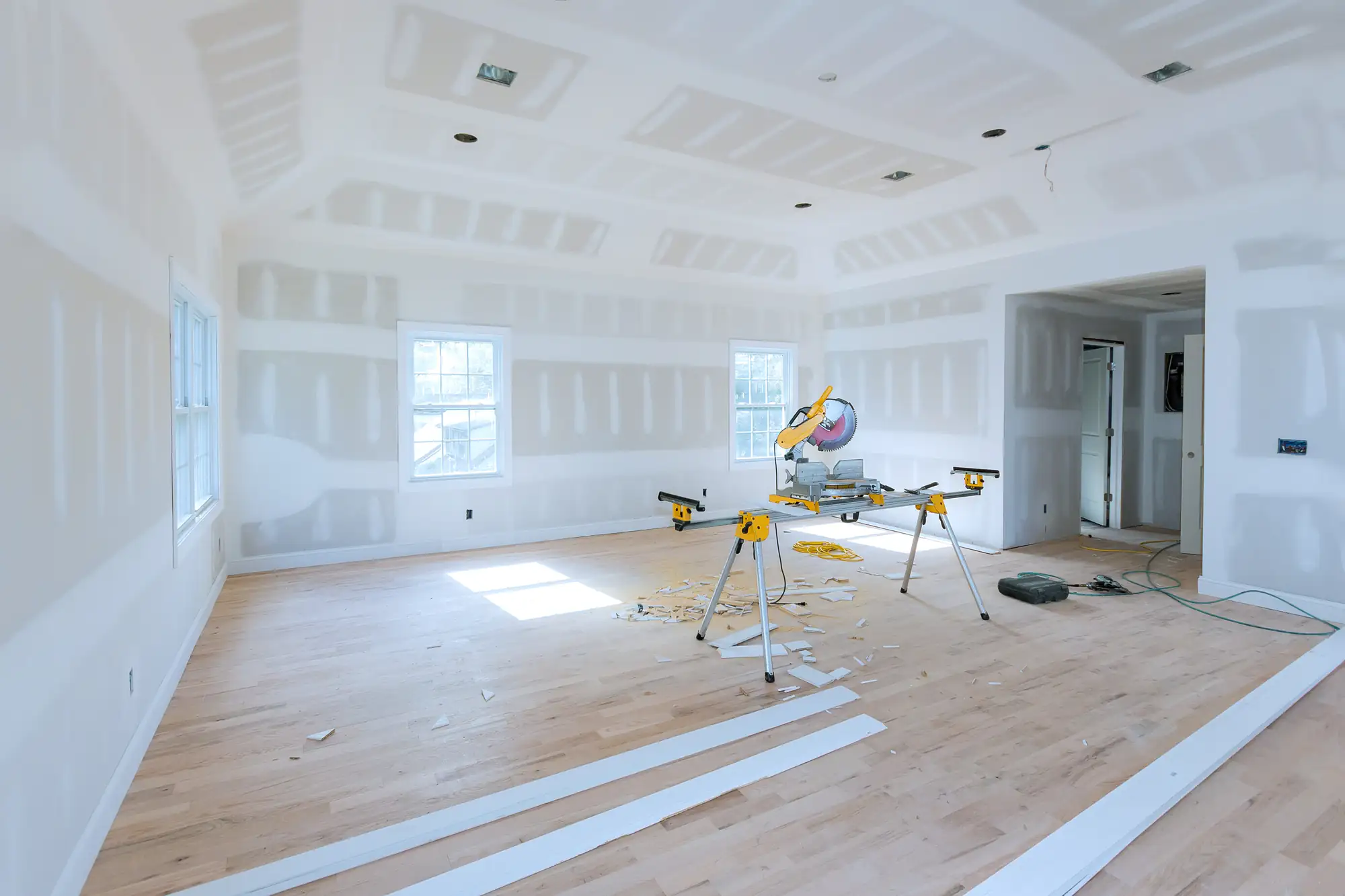
When you hire a sheet rock contractor, you should know exactly what you’re getting. Our sheetrock services cover new installation for renovations and drywall repair for damaged or outdated walls, and full taping and finishing so surfaces are ready for whatever comes next—paint, texture, or wallpaper.
We handle residential sheetrock installation across Baywood, whether you’re finishing a basement, opening up a floor plan, or adding a bedroom. For commercial projects, we bring the same level of care—offices, retail spaces, or multi-unit properties that need reliable drywall installation without the runaround.
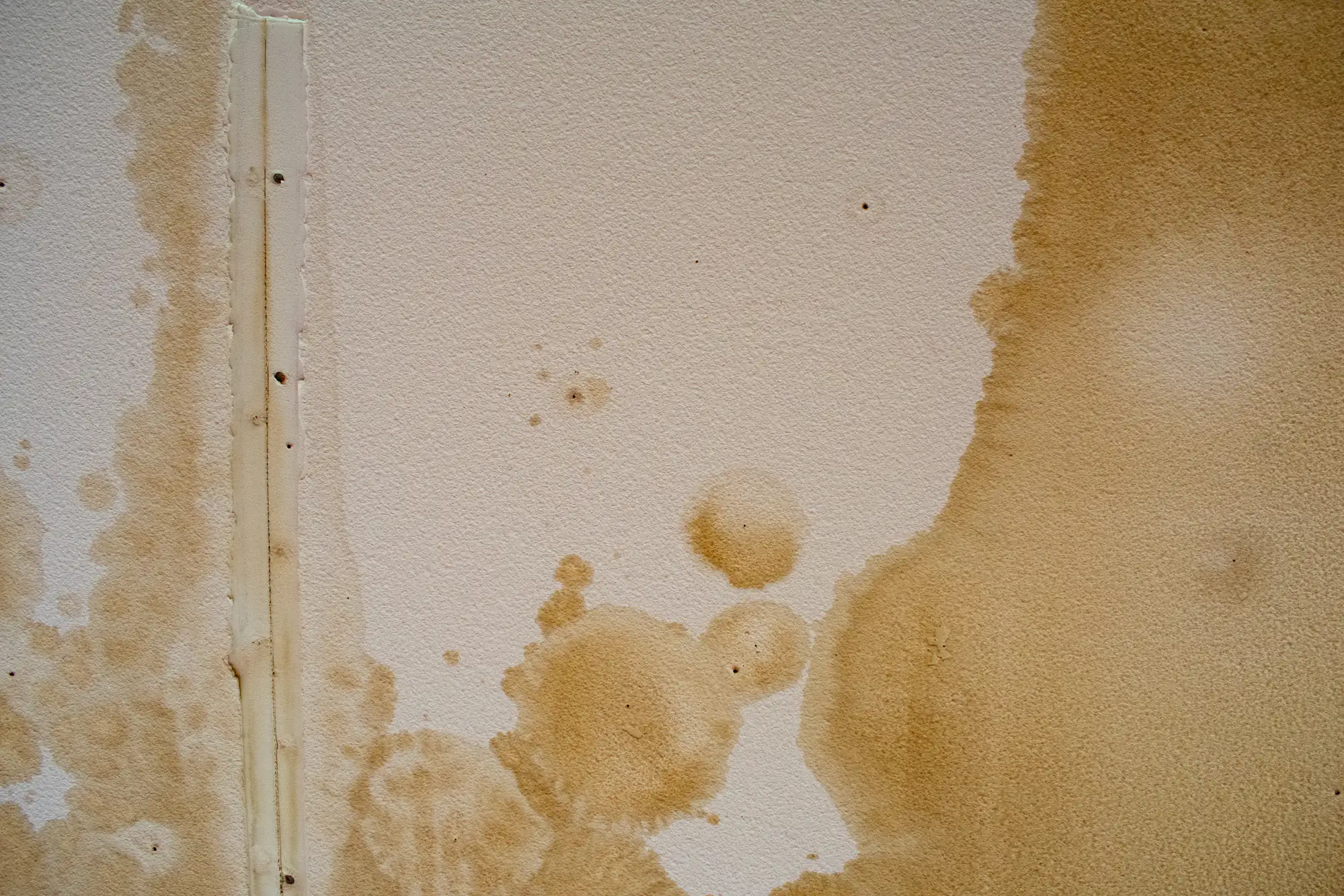
Suffolk County homes, especially in areas like Baywood, deal with humidity, settling, and the wear that comes with older construction. That means repairs aren’t always as simple as slapping up a patch. We assess what caused the damage in the first place, fix it properly, and make sure it doesn’t come back. If your walls have cracks from settling or water damage from a roof issue that’s since been handled, we address the sheetrock the right way so it lasts.
Cost depends on the size of the job, the condition of the space, and what level of finish you need. A small drywall repair might run a few hundred dollars. A full room or basement installation will cost more, but you’ll get a fixed price upfront based on square footage, materials, and labor.
We don’t do estimates that change once we start. You’ll know what it costs before we begin, and that number doesn’t shift unless you change the scope. If you’re comparing quotes, make sure you’re comparing the same thing—some contractors lowball the estimate and add fees later, or they skip steps like proper taping and sanding to save time.
What you’re paying for is clean work, quality materials, and a timeline that doesn’t drag. If a price seems too good, it usually means something’s getting skipped. We’d rather be honest about cost than cheap about quality.
Nothing, really. Sheetrock is a brand name that became the common term, like Kleenex for tissues. Drywall is the general term for gypsum panels used to build interior walls and ceilings. Some people say sheetrock, some say drywall—it’s the same material.
What matters more than the name is the type and thickness. Standard residential sheetrock is half-inch thick and works for most walls. You might need thicker panels for ceilings or areas that need more soundproofing. Moisture-resistant drywall (often called green board) is better for bathrooms or basements where humidity is a factor.
When we talk through your project, we’ll recommend the right type based on where it’s going and what it needs to do. You don’t need to know all the specs—we handle that part. But it helps to understand you’re not choosing between two different products when someone says sheetrock vs drywall.
A single room usually takes one to three days depending on size and complexity. That includes hanging the sheetrock, taping and mudding the seams, and sanding everything smooth. Larger projects like a full basement or multiple rooms will take longer, but we’ll give you a realistic timeline before we start.
The taping and mudding process requires drying time between coats, so that’s where most of the time goes. Rushing it leads to cracks and visible seams later. We’d rather take an extra day to do it right than hand you a finished product that looks amateur.
If you’re coordinating with other trades—electricians, plumbers, painters—we work around those schedules and keep things moving. The goal is to finish on time without cutting corners. If something comes up that changes the timeline, we tell you immediately, not three days after the deadline passes.
Yes, but it depends on the texture. Simple orange peel or knockdown textures are straightforward to match. More complex or older textures—like heavy popcorn or hand-troweled finishes—take more work, but we can get close enough that you won’t notice the repair unless you’re looking for it.
The key is blending the repair into the surrounding area. We don’t just patch the hole and call it done. We feather the edges, match the texture as closely as possible, and make sure the transition is smooth. If your walls have been painted multiple times or the texture has aged, we’ll talk through what’s realistic.
Sometimes the best approach is to skim coat a larger section or the entire wall so everything matches perfectly. That adds time and cost, but it’s worth discussing upfront if a seamless look matters to you. We’ll walk you through the options and let you decide what makes sense for your space and budget.
Yes, clearing the room makes the job faster and protects your belongings. We can work around some furniture if needed, but the more space we have, the cleaner and quicker the work goes. Sheetrock creates dust, especially during sanding, so anything you can move out or cover will save you cleanup time later.
We bring drop cloths and tarps to protect floors and any furniture that stays, but drywall dust is fine and gets everywhere. If you’re doing a single repair, moving a few items might be enough. For a full installation, an empty room is ideal.
If moving furniture is difficult—heavy pieces, tight spaces, or mobility issues—let us know ahead of time. We’ll figure out a plan that works. The goal is to get the job done without adding stress or damaging anything in your home. A little prep on the front end makes the whole process smoother for everyone.
Start with transparency. A good contractor gives you a clear price, a realistic timeline, and explains what’s included. If someone’s vague about cost or rushes through the estimate, that’s a red flag. You want someone who asks questions about your project and takes time to assess the space properly.
Check that they’re licensed and insured. It protects you if something goes wrong, and it shows they’re running a legitimate operation. Ask about their experience with projects like yours—residential vs commercial, new installation vs repair. Not all drywall work is the same, and experience matters.
Finally, pay attention to communication. Do they return calls? Do they show up on time for the estimate? If they’re unreliable before you hire them, it won’t get better once the job starts. You’re trusting someone with your home and your money—pick the contractor who treats both with respect from the first conversation.