

Hear from Our Customers
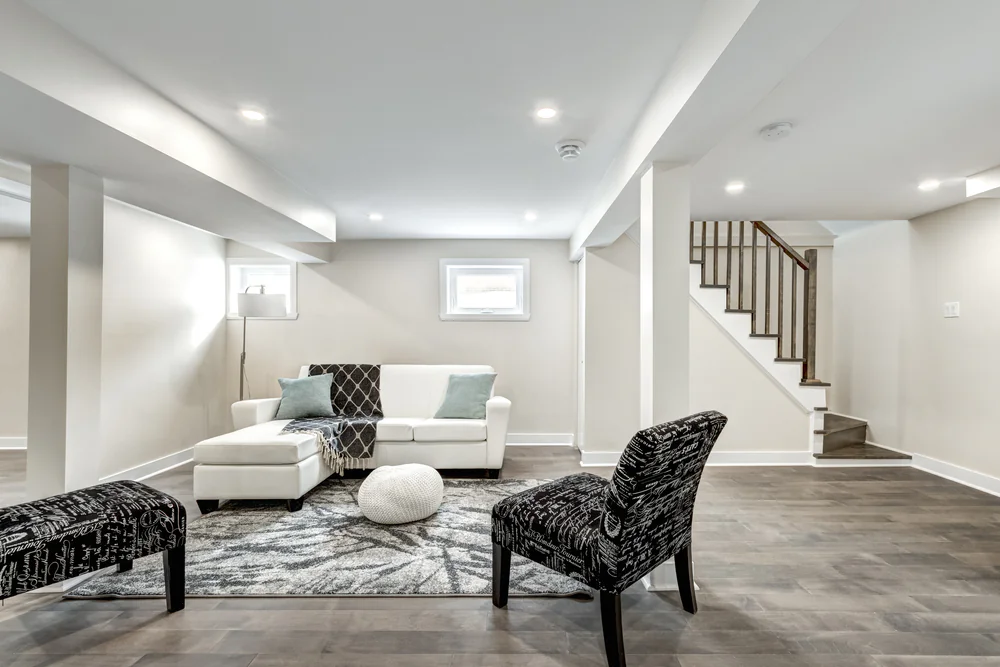
You’re not just hiring someone to fix walls or update a kitchen. You’re looking for someone who won’t disappear mid-project, won’t surprise you with hidden fees, and won’t treat your home like a quick flip job.
When you work with a licensed contractor who actually knows Suffolk County building codes and coastal construction challenges, your project moves faster. Permits get handled correctly. Inspections pass the first time. And you’re not left managing a mess of subcontractors who all point fingers when something goes wrong.
Your home sits in an area where 58% of properties face severe wind and hurricane risk over the next 30 years. That means your improvements need to hold up against real weather, not just look good in photos. You need someone who understands what “built to last” actually means in Northwest Harbor—and who backs that up with proper licensing and insurance, not just promises.
We’ve spent close to ten years working inside Suffolk County homes. We know the local building requirements, the permit process, and what it takes to deliver quality work in coastal conditions.
We’re licensed, insured, and we don’t use the high-pressure sales tactics you’ve probably experienced with other local contractors. No bait-and-switch pricing. No disappearing acts. No passing blame to subcontractors we don’t control.
You’ll work directly with people who show up, communicate clearly, and treat your home the way we’d want ours treated. That’s not marketing talk—it’s how we’ve built our reputation in Northwest Harbor and the surrounding area.

First, we come to your home and walk through what you want done. You tell us what’s not working, what you’re hoping to change, and what your timeline looks like. We listen, take notes, and ask the questions that help us give you an accurate estimate—not a lowball number that balloons later.
Once you approve the scope and pricing, we handle permits and scheduling. You’re not calling the town or coordinating inspections. We do that. If your project involves Suffolk County building code requirements—and most do—we make sure everything is filed correctly so you’re covered.
During the work, you’ll get updates on progress and any decisions that need your input. We don’t go silent for days or make changes without asking. When the job’s done, we walk through it with you to make sure it’s right. Then we clean up, haul out debris, and leave your home ready to use—not looking like a construction zone.

Ready to get started?
You’re getting licensed work that meets Suffolk County standards. That includes proper prep, quality materials, and techniques that hold up in coastal humidity and temperature swings. Whether it’s spackling and painting, custom carpentry, flooring, or full kitchen and bath remodels, the work is done right.
In Northwest Harbor, homes face unique challenges. Salt air, moisture, and storm exposure mean your finishes and materials need to be chosen carefully. We account for that. You’re not getting the same approach we’d use in a landlocked suburb—you’re getting methods and materials suited to where you actually live.
You also get transparency. Our pricing reflects the real cost of doing the job correctly, with no hidden fees tacked on later. If something unexpected comes up during demolition or prep, we talk to you before moving forward. You stay in control of your budget, and you know exactly what you’re paying for.

Yes, and it’s not just about following the rules. Suffolk County requires contractors to be licensed for a reason—it protects you from shoddy work, liability issues, and projects that don’t meet code.
When you hire someone without a license, you’re taking on all the risk. If they get hurt on your property, you could be liable. If the work doesn’t pass inspection, you’re stuck fixing it out of pocket. And if they walk off the job or do subpar work, you have almost no recourse.
A licensed contractor carries insurance, pulls the right permits, and knows local building codes. That means your project gets done correctly the first time, and you’re protected if something goes wrong. In an area where homes sell for a median of $615,000 and appreciation runs over 8% annually, protecting your investment isn’t optional.
Most kitchen remodels take four to six weeks, depending on the scope. Bathrooms usually run two to four weeks. But here’s what actually affects your timeline: permit approval, material availability, and how many surprises we find once walls are opened up.
In Suffolk County, permit processing can add a week or two to your start date. We factor that in upfront so you’re not caught off guard. If your project involves plumbing or electrical work—which most kitchen and bath remodels do—inspections are required at certain stages, and those need to be scheduled around the town’s availability.
The other variable is what we find during demo. Older homes in Northwest Harbor sometimes have outdated wiring, hidden water damage, or framing that’s not up to current code. When that happens, we walk you through what needs to be addressed and how it impacts your timeline and budget before moving forward. No surprises, no pressure—just clear information so you can make the right call.
Start with licensing and insurance. If a contractor can’t show you proof of both, walk away. It doesn’t matter how good their price sounds or how friendly they seem—you’re exposing yourself to serious risk.
Next, ask how they handle permits and inspections. A good contractor knows Suffolk County’s process and takes care of it for you. If they suggest skipping permits or say “you don’t need one for that,” that’s a red flag. Unpermitted work can kill your home’s resale value and create legal headaches down the road.
Finally, pay attention to how they communicate. Do they return calls? Do they explain things clearly, or do they rush you into signing? Do they give you a detailed written estimate, or just a vague number scribbled on a business card? The contractors who take time to answer your questions and walk you through the process are usually the ones who’ll treat your project—and your home—with respect.
It depends entirely on what you’re doing. A full kitchen remodel might run $30,000 to $70,000 or more, depending on materials, layout changes, and finishes. Bathroom remodels typically range from $15,000 to $35,000. Smaller projects like interior painting or custom carpentry can start around $3,000 to $5,000.
Here’s what drives cost: labor, materials, permits, and the complexity of the work. In Suffolk County, you’re also paying for contractors who understand coastal construction challenges and local code requirements. That expertise costs more upfront, but it saves you money long-term because the work lasts and you’re not dealing with callbacks or failed inspections.
Be cautious of quotes that seem too good to be true. If one contractor is significantly cheaper than everyone else, there’s usually a reason—they’re cutting corners, using subpar materials, or they’ll hit you with change orders once the job starts. A fair price reflects quality work, proper insurance, and the time it takes to do things right.
Yes, and most of our clients stay in their homes during interior renovations. We work with you to minimize disruption—setting up dust barriers, scheduling noisy work during certain hours, and keeping pathways clear so you can still move through your house.
Communication is key. Before we start, we’ll talk through your daily routine and any specific concerns—like if you work from home, have young kids, or need access to certain rooms at certain times. Then we plan the work sequence around that. For example, if we’re remodeling your kitchen, we’ll make sure you have a temporary setup for meals and that we’re not blocking your main entrance during school drop-off.
It’s not always convenient, but it’s manageable. Most clients tell us the process was less disruptive than they expected because we stay organized, clean up daily, and keep them informed about what’s happening next. You won’t come home to chaos or wonder what’s going on—you’ll know exactly where things stand.
We stop, document it, and talk to you before doing anything. You’ll see photos of the issue, get an explanation of what it means, and receive a clear breakdown of what it’ll cost to fix. Then you decide how to move forward.
This happens more often than people think, especially in older homes. You might have water damage behind a wall, outdated electrical that’s not up to code, or framing that needs reinforcement. These aren’t things we can see until we open things up, but they need to be addressed for your safety and to pass inspection.
What we don’t do is make the call without you, add it to your bill without warning, or pressure you into upgrades you don’t need. You stay in control of your budget and your project. If there’s a problem, we give you options—what’s required by code, what’s recommended for longevity, and what can wait if you need to prioritize costs. Transparency isn’t just our tagline—it’s how we operate on every job.