
Hear from Our Customers
You’re looking at cracked ceilings or damaged walls and wondering what it’ll actually cost to fix them right. Not the estimate that sounds great until the hidden fees show up. The real number.
Here’s what matters: the drywall installation gets done to code, the finish looks clean, and you’re not dealing with callbacks six months later because someone rushed the taping compound or skipped proper prep. That’s the difference between a patch job and actual repair work.
When the sheetrock contractor you hire knows Suffolk County homes—the moisture issues in basements, the settling patterns in older construction, the humidity challenges near the coast—you get installations that hold up. You’re not paying for someone to learn on your property. The work gets done once, and it gets done right.
Jaguar Renovations has been handling residential sheetrock installation and interior renovations across Dix Hills and Suffolk County since 2016. We’re licensed, insured, and we’ve seen what happens when corners get cut—which is exactly why we don’t cut them.
Most of our work comes from referrals. That happens when you show up on time, communicate clearly about what’s involved, and charge what you quoted. No sales pressure, no upselling mid-project, no surprise line items.
Dix Hills homes have their quirks—older construction settling differently than newer builds, basements that need moisture-resistant materials, spaces that require fire-rated drywall for code compliance. We’ve worked in enough local homes to know what to expect before we start, which means fewer surprises for you.
First, we look at what you’re dealing with. Damage assessment, measurements, material requirements. You’ll know if you need standard drywall, moisture-resistant sheets for a bathroom, or fire-rated panels for a garage conversion. We explain what’s required and why, then give you a straightforward price that includes materials, labor, taping, mudding, and sanding.
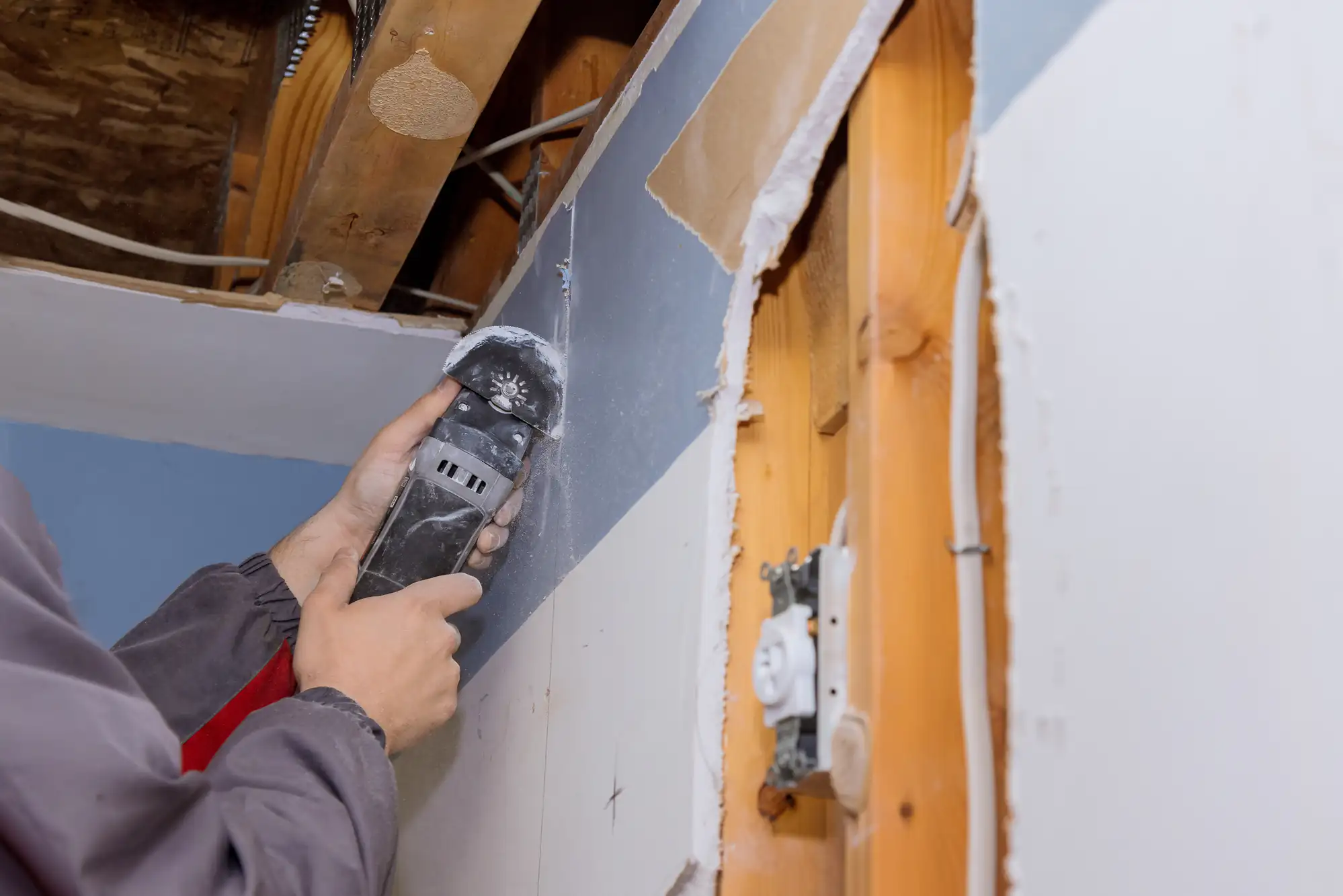
Once you’re ready to move forward, we schedule the work around your life—not ours. Demo and prep happen first. Old damaged sections come out, framing gets inspected and reinforced if needed, and everything’s ready for new sheetrock sheets to go up.
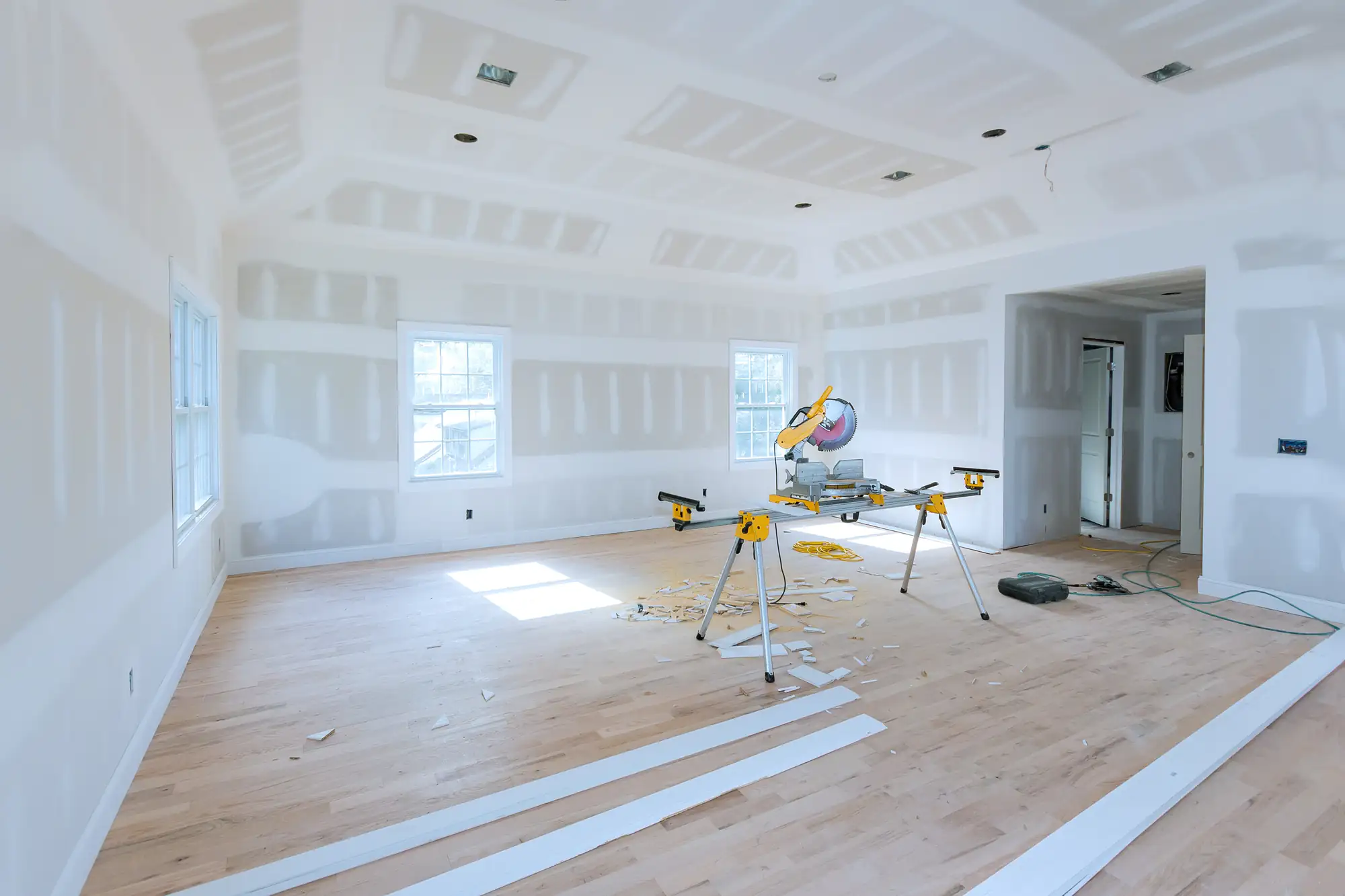
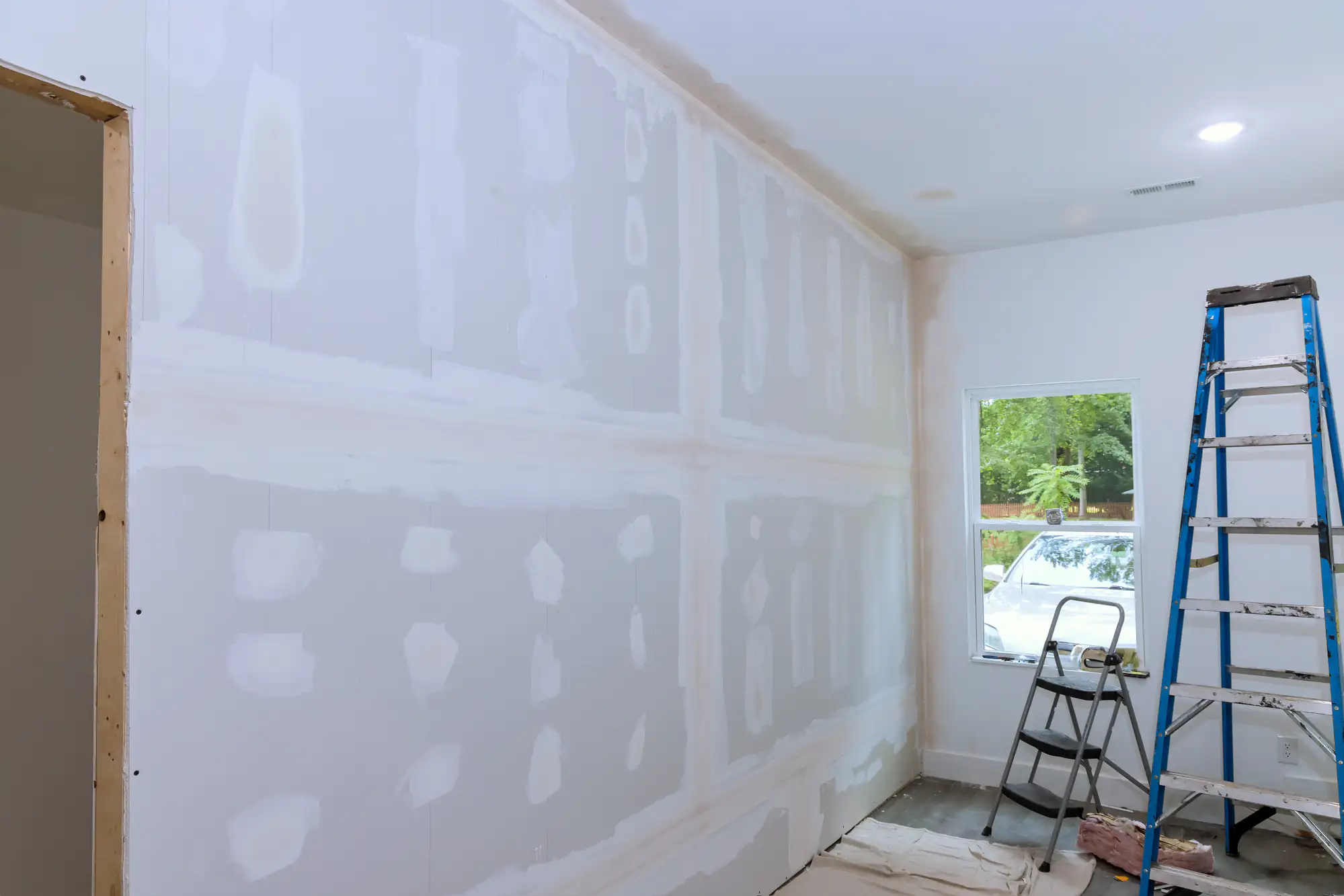
Installation follows code requirements. Panels get secured properly, seams fall where they should, and corners get reinforced. Then comes finishing: multiple coats of drywall taping compound, sanding between each layer until the surface is smooth and ready for paint. The goal is walls and ceilings that look clean and stay that way.
Ready to get started?
Residential sheetrock installation covers new construction, additions, and full renovations. You’re getting proper material selection based on the room—standard for living spaces, moisture-resistant for bathrooms and basements, fire-rated where code requires it. All installations meet New York building standards.
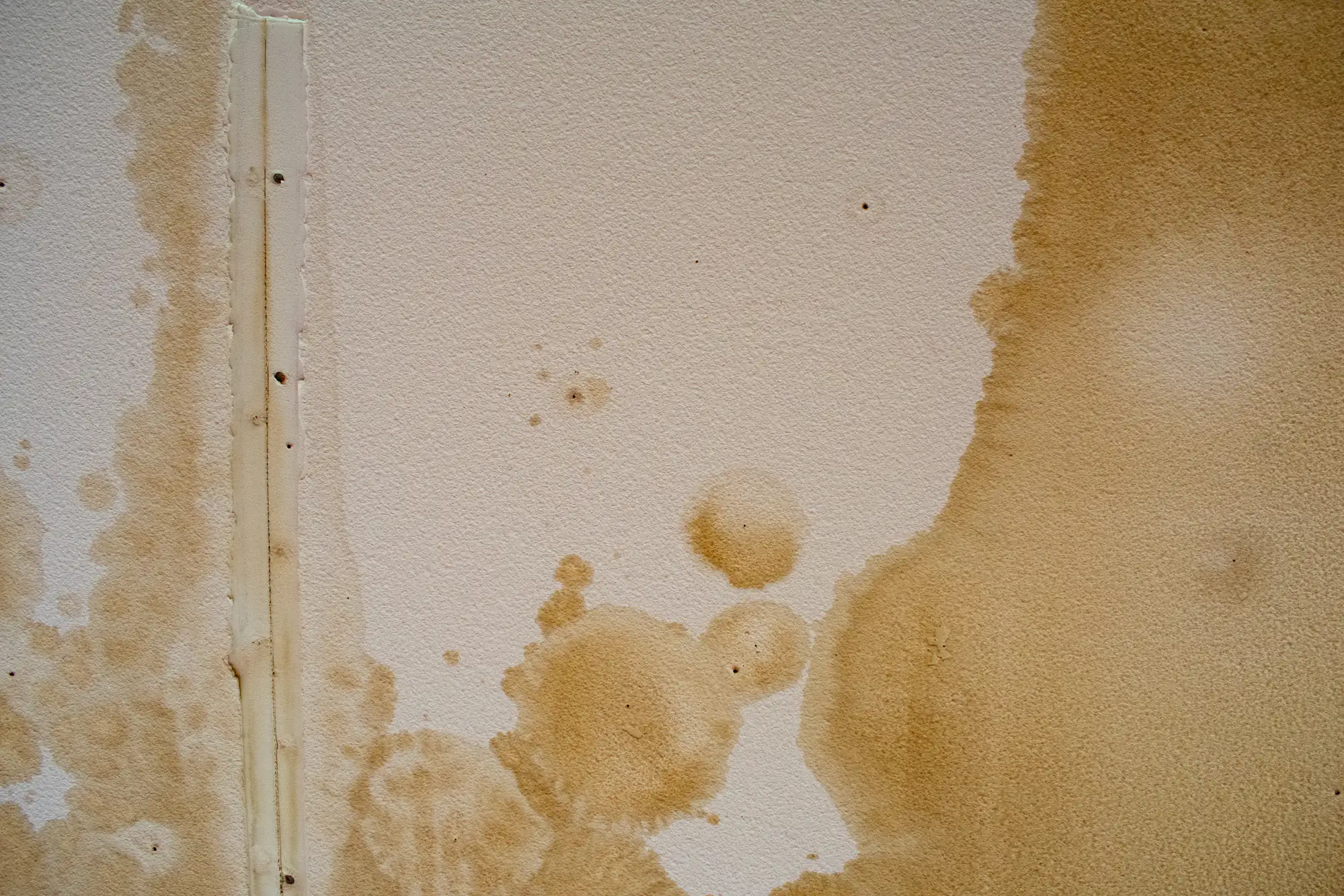
Sheetrock repair handles everything from small holes and cracks to water damage restoration. Dix Hills homes near the coast or with older roofing systems sometimes deal with ceiling damage from leaks. We cut out compromised sections, address any underlying moisture or mold issues, install replacement panels, and finish everything to match existing surfaces.
The finishing process matters more than most homeowners realize. Poor taping shows through paint. Uneven mudding creates shadows. We apply multiple coats of compound, sand between layers, and don’t call it done until the surface is actually smooth. That’s what makes the difference between drywall that looks acceptable and walls that look professional.
Suffolk County’s humidity and coastal air mean your sheetrock needs to handle more moisture than homes further inland. We account for that in material selection and installation methods, especially in basements, kitchens, and bathrooms where humidity levels run higher.
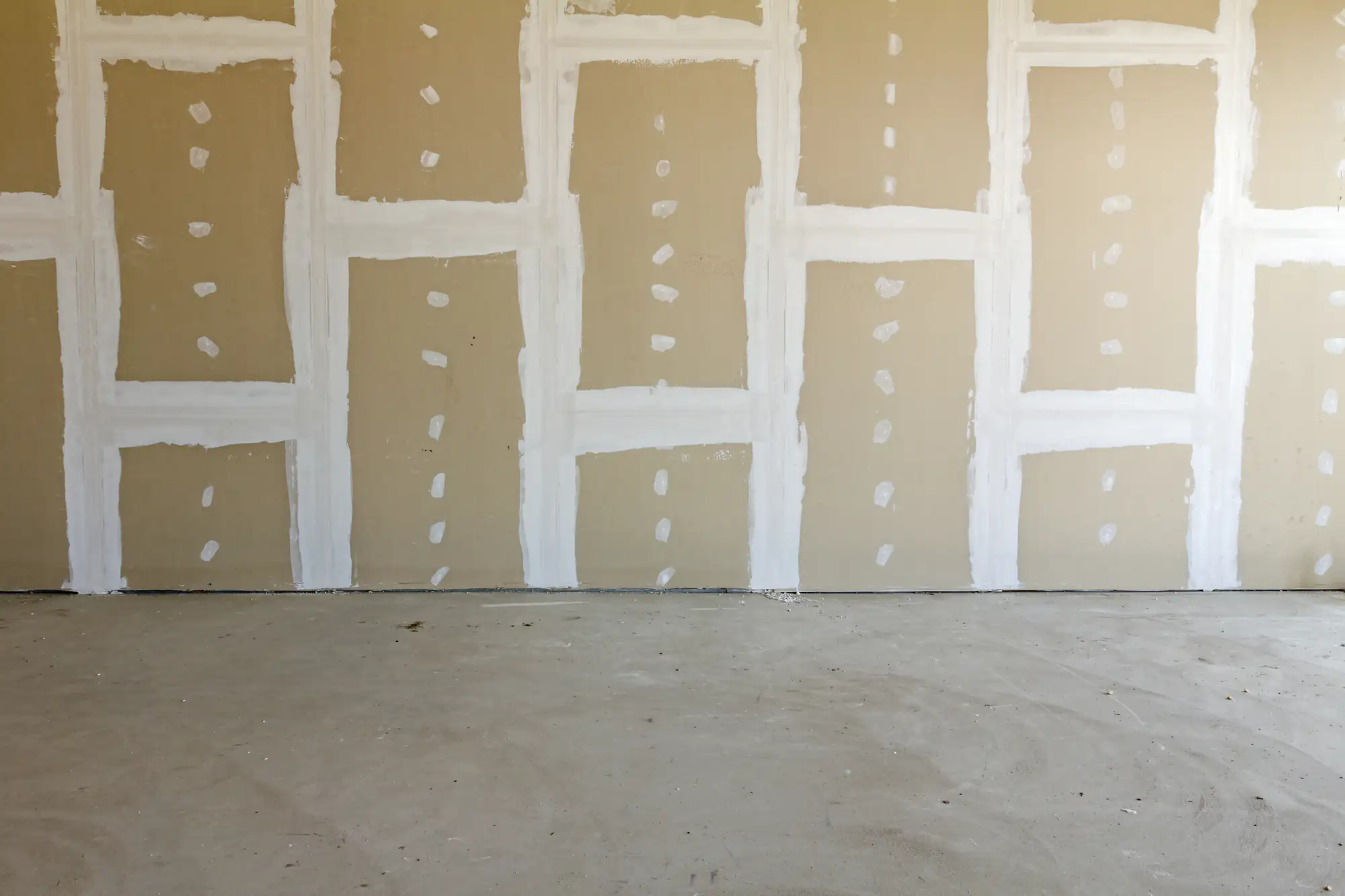
Drywall installation typically runs between $1.50 and $3.50 per square foot in Suffolk County, including materials, labor, taping, mudding, and sanding. That range exists because jobs vary—ceiling work costs more than walls, water damage repair involves more prep than new construction, and specialty materials like moisture-resistant or fire-rated drywall run higher than standard sheets.
A standard bedroom might cost $800 to $1,500 depending on ceiling height and condition. Basement finishing runs higher because you’re often dealing with moisture considerations and more complex layouts. Repairs depend entirely on damage extent—patching a few holes is a few hundred dollars, while replacing water-damaged ceilings in multiple rooms becomes a larger project.
We give you an actual number before starting, not a range that balloons later. The estimate includes everything needed to complete the job properly—no surprise charges for materials you “didn’t know you’d need” or extra labor that “took longer than expected.” You’ll know what you’re paying and what’s included.
Moisture-resistant drywall (often called green board or purple board depending on the brand) has a water-resistant coating and treated core that handles humidity better than standard sheetrock. You need it in bathrooms, kitchens, laundry rooms, and basements—anywhere steam, condensation, or potential water exposure is a factor.
Standard drywall absorbs moisture, which leads to sagging, mold growth, and eventual failure in humid environments. Dix Hills homes, especially those near the water or with basements below grade, deal with higher humidity levels than drier climates. Installing regular drywall in a bathroom might save you $50 now, but you’re looking at replacement costs and potential mold remediation within a few years.
The cost difference is minimal—usually 20-30% more than standard sheets—but the performance difference is significant. Moisture-resistant materials last longer, resist mold better, and maintain their integrity when exposed to the conditions that destroy regular drywall. It’s not an upsell; it’s using the right material for the application.
A single room installation usually takes two to four days from start to finish. Day one is demo and prep if needed, plus hanging the sheets. Days two and three involve applying multiple coats of drywall taping compound with drying time between coats. Day four is final sanding and cleanup. Larger projects like basement finishing or whole-home installations take one to three weeks depending on square footage and complexity.
Repairs move faster for simple fixes—patching a few holes might be done in a day or two. Water damage restoration takes longer because you’re addressing underlying issues, not just replacing drywall. We need to verify the moisture source is fixed, check for mold, possibly treat framing, then install and finish new sections.
The taping and mudding process can’t be rushed. Each coat of compound needs to dry completely before the next application, and proper drying prevents cracking and ensures a smooth finish. Some contractors try to speed this up and end up with subpar results. We schedule realistic timelines and stick to them, which means the work gets done right without unnecessary delays.
Yes, but it requires seeing the existing texture first. Common textures like orange peel, knockdown, and skip trowel can be replicated with the right tools and technique. Older or custom textures sometimes need test patches to dial in the exact pattern and application method.
The challenge isn’t creating texture—it’s blending new sections so they don’t stand out from surrounding areas. This involves matching not just the texture pattern but also the depth, density, and finish. We typically apply texture to a slightly larger area than the repair itself, feathering the edges so there’s no visible line where new meets old.
Some heavily textured ceilings from the 1970s and 1980s are harder to match perfectly because application methods have changed and some materials aren’t manufactured the same way anymore. In those cases, we’re upfront about what’s achievable. Sometimes the best solution is re-texturing an entire ceiling or wall section rather than trying to match something that won’t blend seamlessly. You’ll know the options and realistic expectations before we start the work.
It depends on the scope of work. Simple repairs and replacements in existing rooms typically don’t require permits. New construction, additions, structural modifications, or work that involves moving walls, electrical, or plumbing usually does require permits through the Town of Huntington building department.
Basement finishing almost always needs permits because you’re creating new living space, which involves inspections for framing, electrical, insulation, and final drywall installation. Garage conversions, room additions, and any work affecting the building’s structure or systems fall under permit requirements.
We handle permit applications when needed and schedule required inspections as part of the project timeline. All our installations meet New York building code whether a permit is required or not—that’s not something that changes based on paperwork. Code-compliant work protects your safety, your home’s value, and your ability to sell later without issues from unpermitted renovations showing up in inspections.
Most cracks come from house settlement, temperature fluctuations, or improper installation. Homes settle over time, especially newer construction in the first few years. This creates stress points where walls meet ceilings or at door and window corners. Seasonal temperature changes cause framing lumber to expand and contract, which can crack rigid drywall if it’s not installed with proper techniques.
Poor installation is the other major cause—screws driven too deep, panels not properly supported, insufficient fasteners, or joints that aren’t reinforced correctly. When sheetrock sheets aren’t secured to framing members properly, they flex and move, which cracks the taping compound at seams. Skipping corner bead or using inadequate joint tape leads to cracks in high-stress areas.
Prevention starts with proper installation: screws at correct depth and spacing, joints falling on framing centers, corner reinforcement, and appropriate joint tape and compound application. In areas prone to movement, we use flexible joint compound and sometimes fiberglass mesh tape instead of paper tape for added strength. For homes with ongoing settlement issues, addressing the underlying structural problem matters more than repeatedly patching cracks. We’ll tell you if that’s what you’re dealing with, because fixing symptoms without addressing causes just means you’re paying for the same repair multiple times.