
Hear from Our Customers
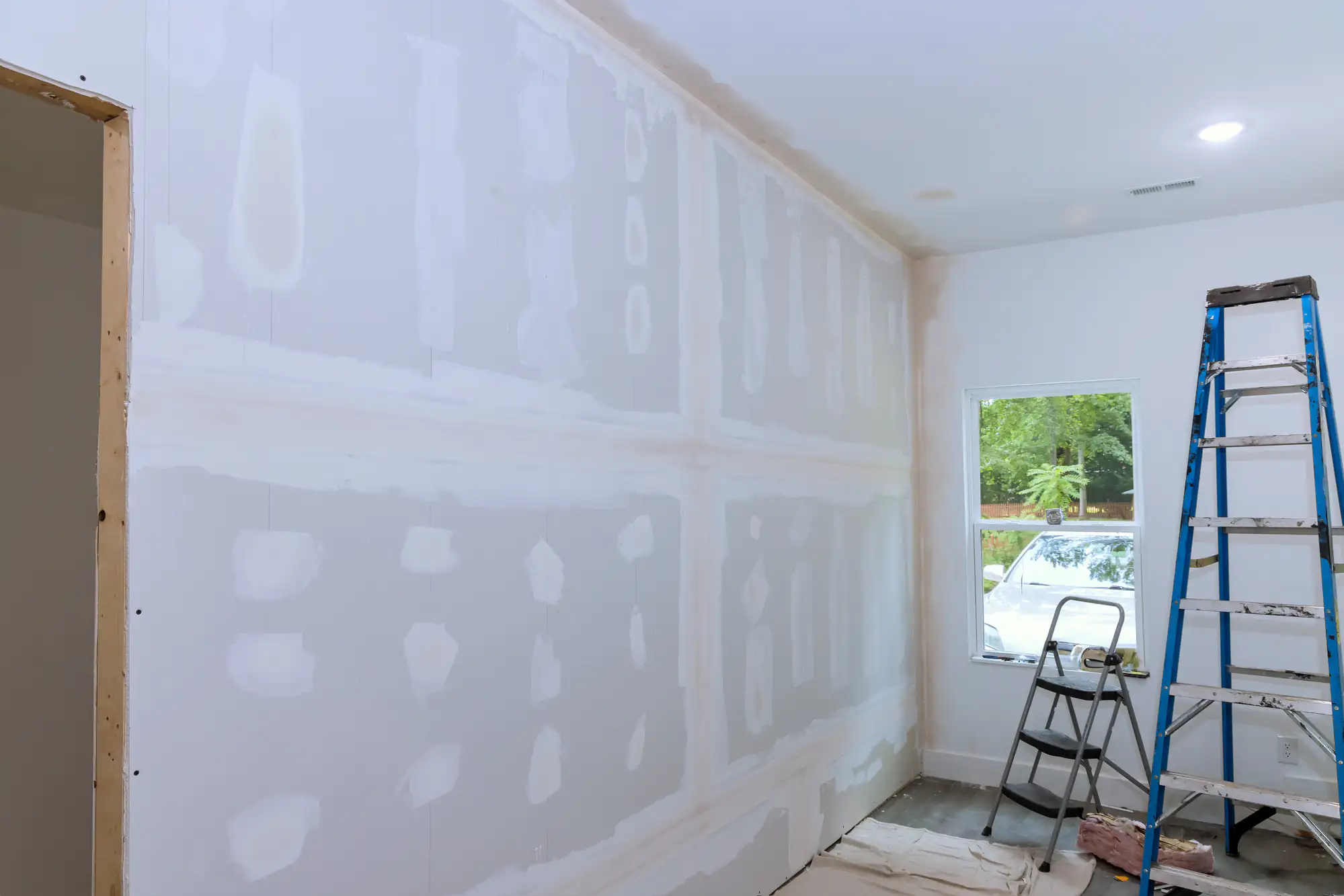
Bad sheetrock work shows up fast. Seams that telegraph through paint. Corners that crack every winter. Texture that looks uneven under certain light.
You’re looking at either living with it or paying someone else to fix what should’ve been done correctly from the start. That’s the expensive part—not the initial quote, but the do-over.
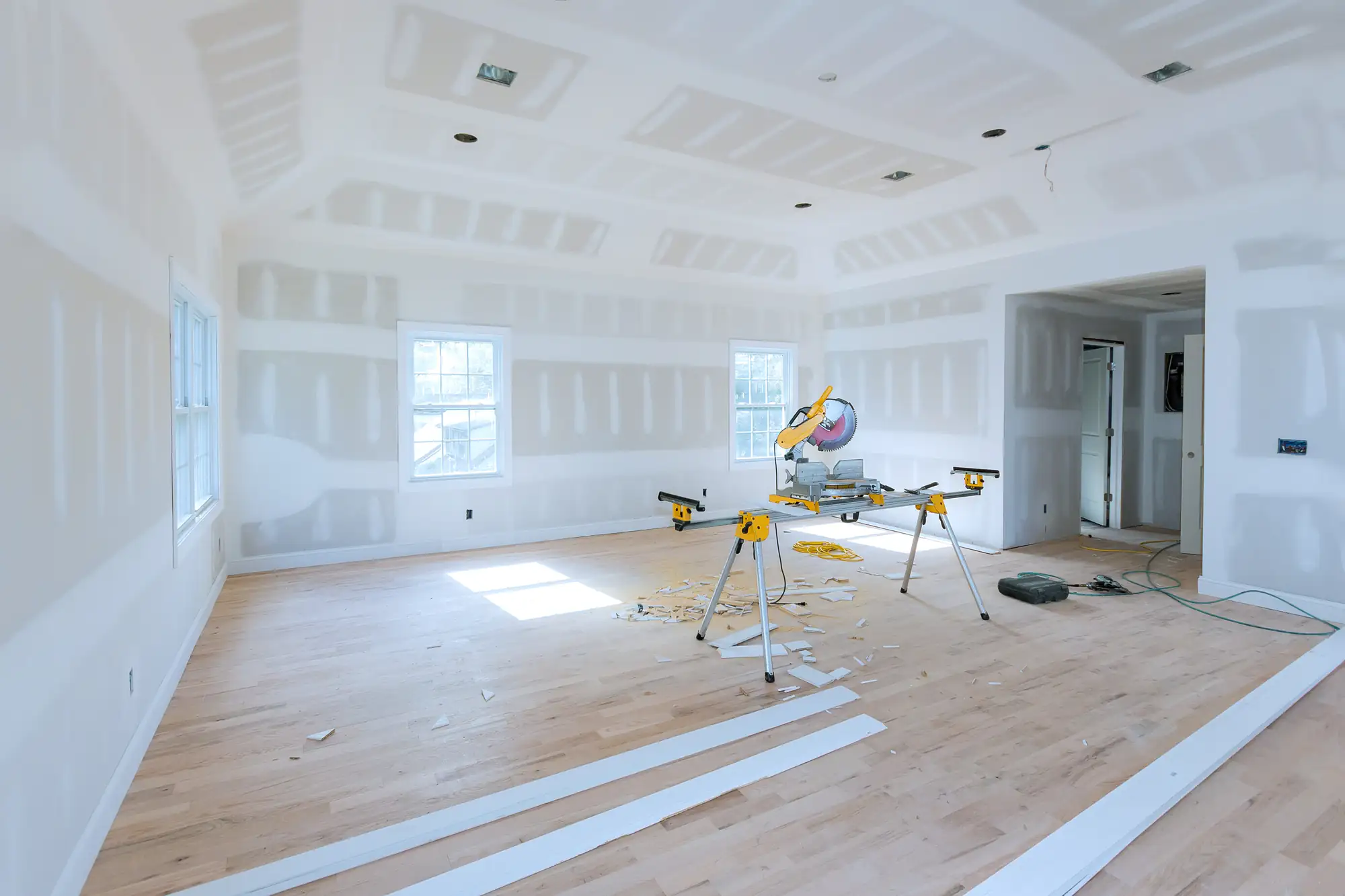
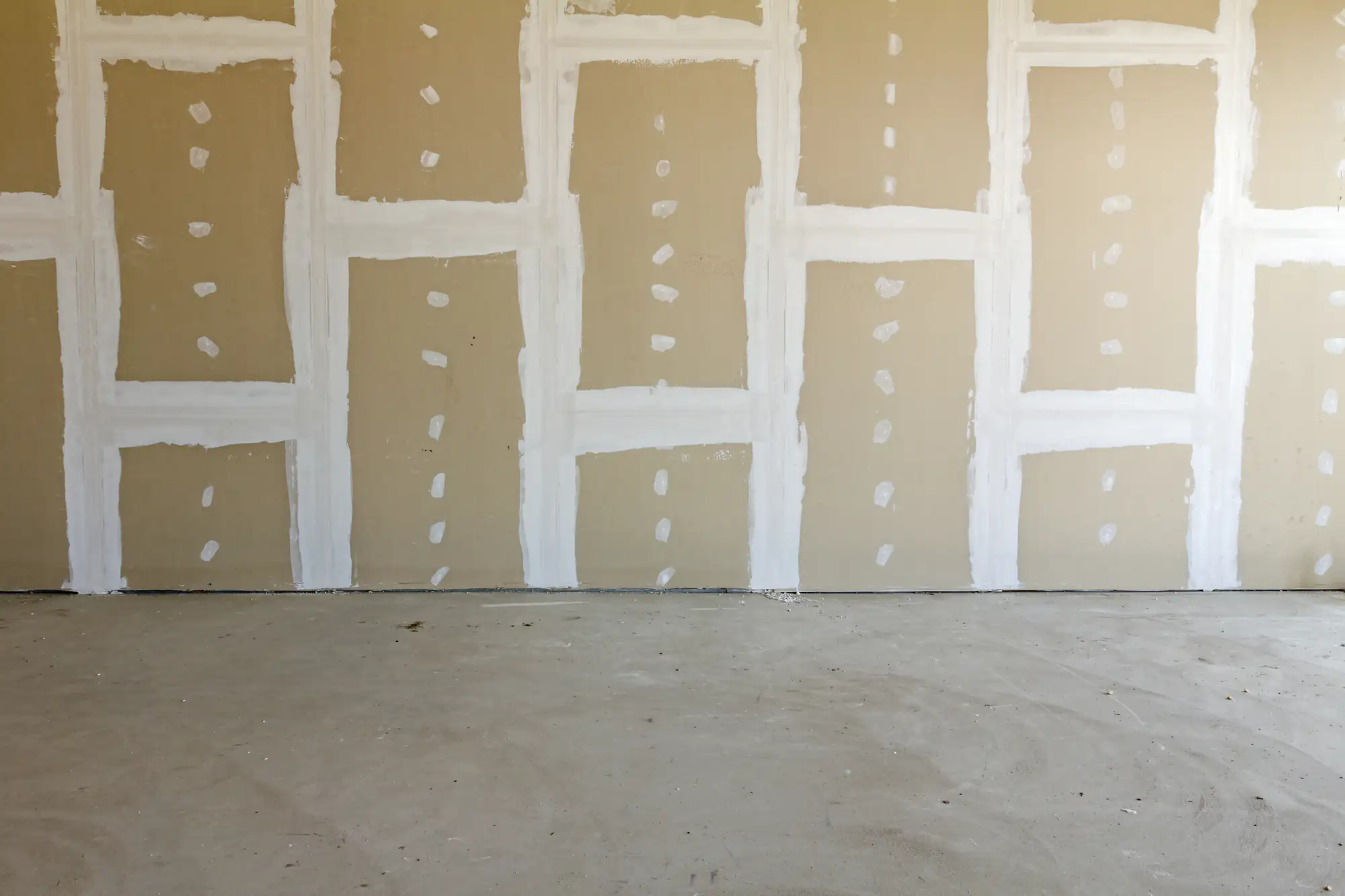
Quality sheetrock installation means proper taping, the right compound application, and enough coats to create a surface that won’t embarrass you after the furniture goes in. It means your painter isn’t texting you photos of problems they found. It means the work holds up through Long Island’s humidity swings and seasonal temperature changes without cracking or pulling away from the studs.
When the job’s finished, you shouldn’t be able to tell where the old wall ends and the new work begins. That’s the standard.
We’ve been doing interior renovations across Suffolk County since 2016. Sheetrock, spackling, full remodels—the kind of work that homeowners in Huntington Station actually need, not just what sounds good in an estimate.
Most of our work comes from referrals, which tells you something. People don’t recommend contractors who leave a mess, add surprise charges, or need to be chased down for updates.
We’re a family-owned operation, which means our reputation isn’t some corporate brand we can walk away from. It’s our name. Every job in Huntington Station and the surrounding North Shore communities reflects directly on whether we’re still working next year. That keeps the standards high and the communication honest.
First, we look at what you’re dealing with. Damage assessment, measurements, access issues—the stuff that affects timeline and cost. You get a clear number before we start, not a range that magically increases later.
Once we’re on site, we prep the space to contain dust and protect your floors and furniture. Then comes the actual installation: hanging sheets, taping seams, applying joint compound in multiple coats with proper drying time between each. This isn’t a one-day mud-and-run situation.
Sanding comes next, which is where a lot of contractors cut corners. We sand until the surface is actually smooth, not just “good enough.” Then a final inspection before we clean up completely—and we mean completely, not just the big pieces.
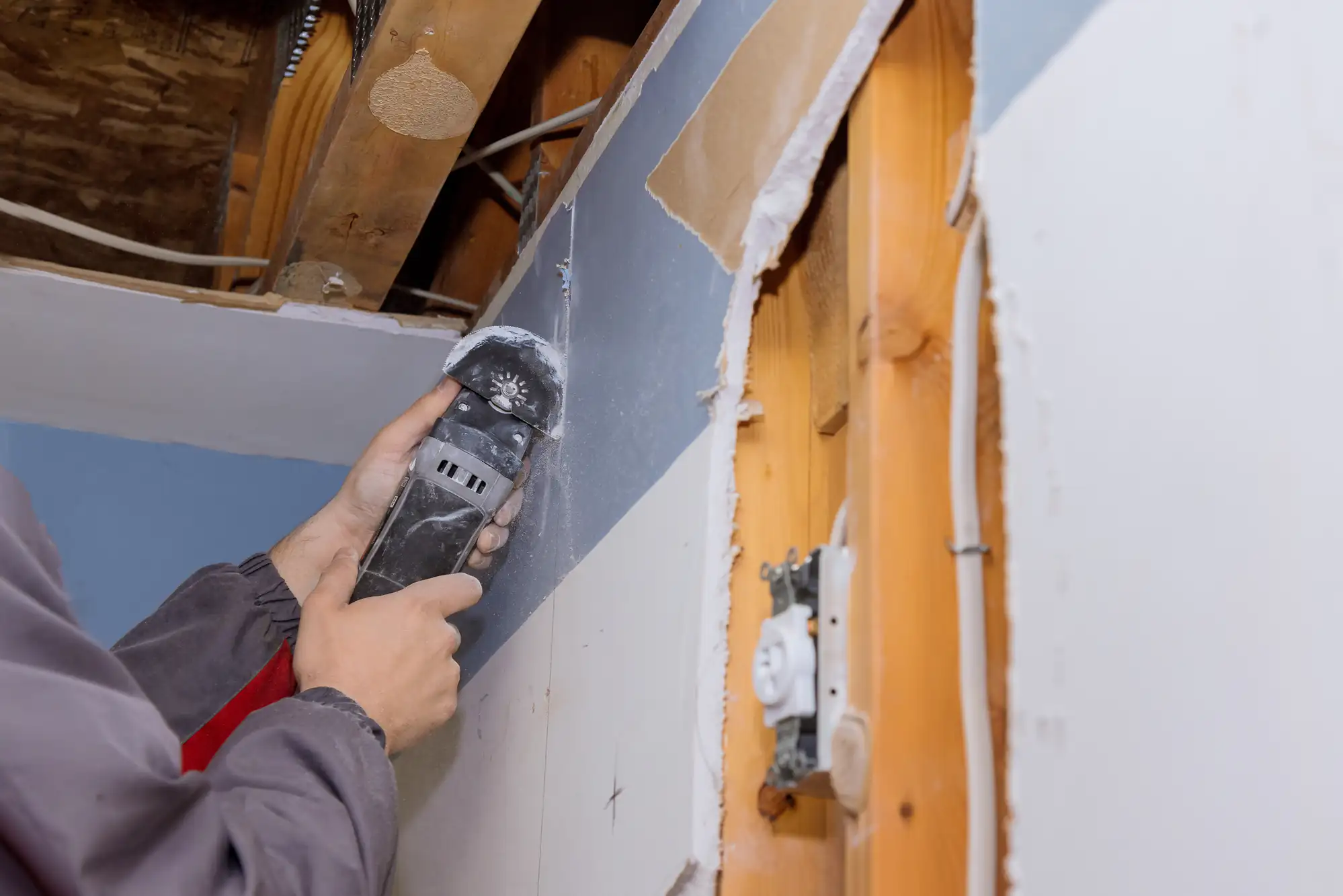
For repairs, the process is similar but scaled down. We cut out damaged sections, match existing texture, blend new compound into old walls so you can’t see the patch. The goal is making the problem disappear, not just covering it up.
Timeline depends on project size. Small repairs might take a day or two. Full room installations typically run three to five days once we account for proper drying time between coats. We’ll give you specifics upfront.
Ready to get started?
You’re getting the full scope: material delivery, installation or repair, taping, multiple coats of joint compound, sanding, and complete cleanup. We handle both standard drywall installation for new construction and sheetrock repair for damaged walls and ceilings.
For Huntington Station homes—many of which date back decades—we often work with existing plaster walls that need careful integration with new sheetrock. That requires understanding how different materials expand and contract, especially given Long Island’s coastal humidity. We match textures to existing finishes so repairs blend invisibly.
Commercial drywall installation follows the same quality standards but often involves tighter timelines and coordination with other trades. We’ve worked in retail spaces, offices, and mixed-use buildings where downtime costs money. The approach is more structured, but the fundamentals don’t change: proper prep, precise application, clean finish.
We also handle skim coating when walls are too damaged for simple repair but don’t need full replacement. It’s a cost-effective middle ground that gives you a fresh surface without tearing everything down to the studs.
Small repairs—fixing a hole from a doorknob, patching where a shelf was removed—typically run a few hundred dollars depending on how many spots need attention. Larger repairs, like fixing water damage across a ceiling or replacing a full wall section, scale up from there based on square footage and complexity.
The real cost driver is labor, not materials. Sheetrock itself is inexpensive. What you’re paying for is the skill to make repairs invisible and the time to do it right—multiple compound coats, proper drying, careful sanding and blending.
We give you an upfront number after seeing the actual damage. No ranges that leave room. If we quote $600, that’s what you pay. The “Excellence Built In, Extra Cost Left Out” thing isn’t just a tagline—it’s how we operate.
Nothing, functionally. Sheetrock is a brand name that became generic, like Kleenex or Band-Aid. Drywall is the general term for gypsum board panels used for interior walls and ceilings.
Some contractors will try to make it sound like there’s a quality difference to justify pricing games. There isn’t. What matters is the grade of material for the application—standard for most walls, moisture-resistant for bathrooms, fire-rated for garages—and the skill of whoever’s installing it.
You’ll hear both terms used interchangeably, and that’s fine. When you’re getting estimates, focus on the scope of work and the contractor’s track record, not whether they say “sheetrock” or “drywall.” The material is largely the same; the installation quality varies wildly.
A standard bedroom or living room typically takes three to five days from start to finish. That includes hanging the sheets, taping seams, applying three coats of joint compound with drying time between each, sanding, and cleanup.
The drying time is what stretches the timeline. You can’t rush compound curing without creating problems later—cracking, shrinking, poor paint adhesion. Contractors who promise one-day turnarounds are either skipping coats or not letting them dry properly.
Larger rooms or spaces with complex features like coffered ceilings, archways, or extensive corner work take longer. Repairs are usually faster since you’re working on smaller areas. We’ll give you a realistic timeline upfront based on your specific project, not an optimistic guess that makes the estimate sound better.
Yes. Residential sheetrock installation makes up most of our work in Huntington Station—bedrooms, basements, kitchen renovations. These projects usually allow more flexibility in scheduling and involve direct communication with homeowners who are living in the space.
Commercial drywall installation requires tighter coordination and often happens on compressed timelines. We’ve worked in retail spaces that needed to reopen quickly, offices being renovated in phases, and mixed-use buildings where noise and access are restricted to certain hours.
The technical work is similar, but commercial projects typically involve more fire-rated materials, specific building code requirements, and coordination with other contractors. We’re licensed and insured for both, and we adjust our approach based on whether you need your home office updated or your storefront renovated.
Most cracks come from structural movement, improper installation, or both. Houses settle. Temperature and humidity fluctuations cause materials to expand and contract. If the sheetrock wasn’t installed with enough fasteners, proper spacing, or the right techniques at seams and corners, those natural movements create cracks.
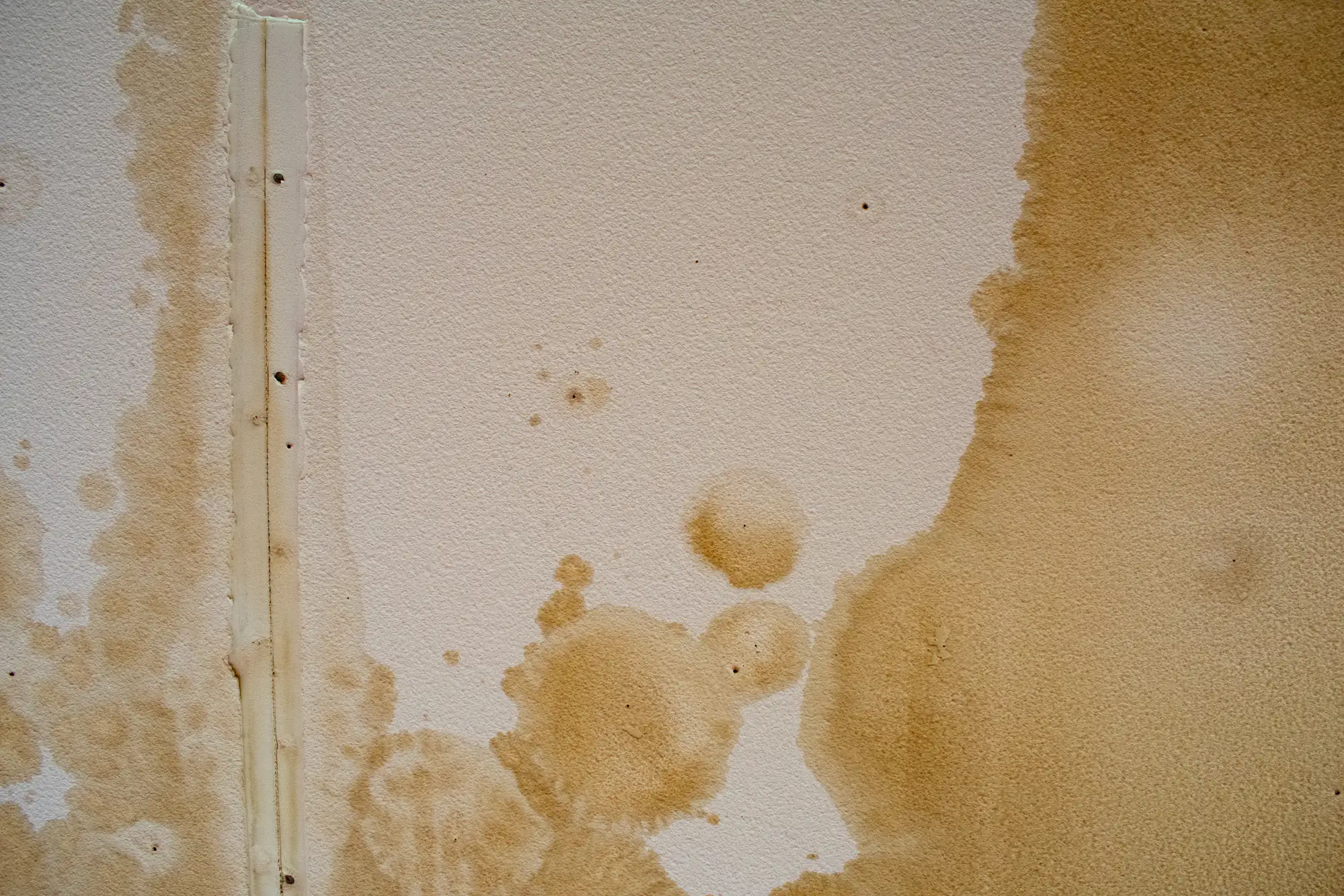
Water damage is another common culprit, especially in Long Island homes where coastal humidity can be an issue. Moisture weakens the gypsum core and the paper facing, leading to sagging, cracking, or crumbling.
Prevention starts with proper installation: screws at the right intervals, seams that don’t align with stress points, appropriate joint compound application, and paper tape or mesh tape used correctly. For areas prone to movement like doorways or where walls meet ceilings, we use techniques that accommodate flex without cracking. And in moisture-prone areas like bathrooms, we use moisture-resistant materials designed for those conditions.
Yes, and that’s often the trickiest part of repair work. Huntington Station has plenty of older homes with specific textures—knockdown, orange peel, skip trowel, even old plaster finishes that need to be matched when integrating new sheetrock.
Matching texture requires the right tools, the right compound consistency, and honestly, just experience doing it. You can’t fake your way through blending a repair into a 40-year-old plaster wall. It either looks seamless or it looks like a patch job.
We take samples if needed, test the technique on scrap material, and blend repairs so they disappear once painted. The goal is that you forget where the damage was. If you’re staring at an obvious repair after we leave, we didn’t do our job. That’s the standard we hold ourselves to on every project.
Other Services we provide in Huntington Station