Your kitchen doesn't need a complete overhaul to look and feel brand new. These five strategic updates deliver maximum impact without the time, cost, or chaos of a full renovation.
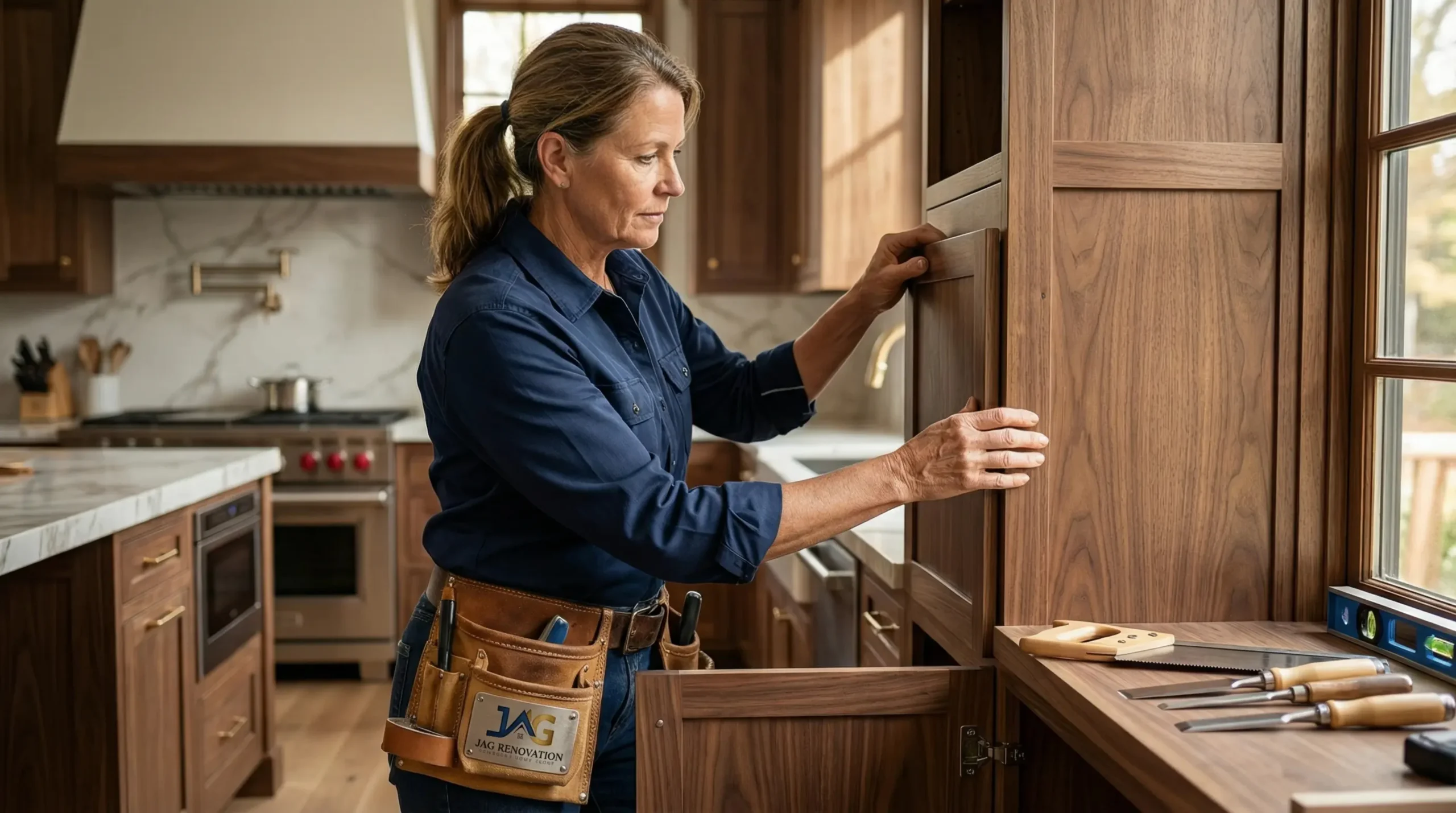
A full kitchen remodel in Suffolk County, NY runs $27,000 minimum for minor updates, with major renovations hitting $55,000 to $80,000. That’s a second mortgage for most families. Plus, you’re looking at three to five months of living without a functional kitchen while contractors parade through your home.
A mini-makeover flips that equation entirely. You’re targeting the five elements that make the biggest visual and functional difference without touching your layout, plumbing, or electrical systems. Think of it as strategic surgery instead of full reconstruction. You get the transformation without the trauma.
The best part? You can tackle these updates in stages as your budget allows. Paint cabinets this month, upgrade hardware next month, add new lighting when you’re ready. Your kitchen stays functional the entire time, and you’re not betting your savings on a single massive project that might take half a year to complete.

Let’s clear up the confusion. A mini-makeover focuses on surfaces, finishes, and fixtures you can change without ripping anything out. You’re keeping your existing cabinets, countertops, and layout but giving them new life through paint, resurfacing, or replacement of visible elements.
Full remodels involve demolition. You’re tearing out cabinets, replacing countertops, moving walls, relocating plumbing, or reconfiguring your entire layout. That requires permits, multiple contractors, and living through construction dust for months. It’s the right choice when your kitchen is truly dysfunctional, but it’s overkill when you just need a refresh.
Mini-makeovers work with what you have. Cabinet boxes in decent shape? Paint them. Countertops structurally sound but ugly? Resurface them. Layout functional but finishes dated? Update the visible stuff. You’re not settling for less; you’re being strategic about where your money goes and what changes actually matter.
This approach works especially well for Suffolk County homeowners who bought homes with solid bones but dated aesthetics. Those 1990s oak cabinets and brass hardware aren’t broken, they’re just stuck in the wrong decade. A few targeted updates bring them into 2026 without the cost of replacement. That’s smart home improvement, not compromise.
The reality is most kitchens don’t need new everything. They need the right five things updated to look current again. That’s where the transformation happens, and that’s where your budget stretches furthest. You’re investing in impact, not just spending money because that’s what you think you’re supposed to do.
Living with a kitchen you hate costs more than you think. There’s the obvious hit to your home’s resale value—kitchens are the number one factor buyers consider, and an outdated one can knock thousands off your sale price or keep your house sitting on the market longer. That’s money you’re losing by waiting.
But the daily cost matters too. You avoid cooking because the space feels depressing. You order takeout more often than you should. You feel embarrassed when friends visit, making excuses about “planning to remodel eventually.” That mental load adds up over months and years.
There’s also the missed opportunity cost. Every year you wait, your home isn’t appreciating the way it could with an updated kitchen. Meanwhile, material and labor costs keep climbing across Long Island. What costs $2,000 today might cost $2,500 next year. Waiting doesn’t save money; it costs money.
The longer you live with dysfunction, the more it affects your quality of life. Poor lighting makes food prep harder. Insufficient storage means cluttered counters. Worn finishes feel dirty no matter how much you clean. These aren’t cosmetic annoyances. They’re daily frustrations that compound over time, making your home less enjoyable to live in.
A mini-makeover stops the bleeding. You’re not committing to a massive project you’ll never start. You’re taking action on the changes that matter most, improving your space now instead of waiting for perfect conditions that never arrive. That’s worth more than any Pinterest-perfect renovation that exists only in your head.
Want live answers?
Connect with a Jaguar Renovation expert for fast, friendly support.
Not all kitchen updates deliver equal results. Some changes eat your budget without moving the needle on appearance or function. Others deliver dramatic transformation for surprisingly little investment. The difference is understanding what your eye actually notices versus what contractors want to sell you.
After nearly a decade working on Suffolk County kitchens, we’ve seen which updates consistently deliver the biggest bang for your buck. These five changes work because they target the elements your eye notices first when you walk into a kitchen—the surfaces that dominate your visual field and the details that signal whether a space feels current or dated.
The key is understanding that transformation doesn’t require changing everything. It requires changing the right things. Let’s walk through each one and why it matters.

Your cabinets occupy more visual real estate than any other element in your kitchen. When they look tired, your entire kitchen looks tired. When they look fresh, everything else looks better by association. That’s why cabinet painting delivers the most dramatic before-and-after of any single update.
We’re talking about transforming dark, dated wood into crisp, modern surfaces for a fraction of replacement cost. New cabinets in a typical kitchen run $8,000 to $15,000. Professional cabinet painting? $2,000 to $4,000. DIY with quality paint? Under $500. The visual difference is nearly identical, but your wallet knows which choice makes more sense.
The color choice matters more than you might think. Stark white cabinets dominated for years, but 2026 trends lean toward warm neutrals—soft whites, creamy off-whites, light greiges. These colors feel current without being trendy, meaning they’ll still look good in five years. If you’re keeping dark appliances, consider painting lower cabinets a coordinating dark color to help them blend rather than stand out.
Proper prep makes the difference between a paint job that lasts and one that chips in six months. Surfaces need cleaning, light sanding, and the right primer. Quality paint designed for cabinets (like Benjamin Moore Advance or similar) creates a durable finish that stands up to daily use. Skip the bargain paint—this isn’t where you save money. Your cabinets get touched constantly, and cheap paint shows wear fast.
If your cabinet boxes are solid but doors are damaged, consider replacing just the doors and drawer fronts while painting the frames. This hybrid approach gives you a fresh look without the full replacement cost. Many Suffolk County homeowners don’t realize this option exists, but it’s a smart middle ground when doors are beyond saving but boxes are fine.
Cabinet hardware is like jewelry for your kitchen. The wrong pieces make everything look dated. The right ones pull the whole look together. This is one of the fastest, easiest updates you can make, yet the impact is immediately noticeable to anyone who walks into your space.
Those brass pulls from the 1990s or the basic builder-grade knobs that came with your home? They’re broadcasting “outdated” every time someone opens a drawer. Modern hardware in matte black, brushed nickel, or brass (yes, brass is back, but in updated profiles) instantly refreshes your cabinets. It’s a small detail that makes a disproportionate impact.
The cost is minimal—quality pulls run $3 to $8 each, knobs even less. A typical kitchen with 30 pieces of hardware costs $150 to $300 for a complete update. That’s probably less than you spent on your last few takeout dinners, but the visual impact lasts years. This is one of the highest ROI updates you can make.
Installation is straightforward if existing holes match your new hardware. If they don’t, you’re either filling old holes and drilling new ones, or choosing hardware that covers the old holes. This is where working with someone experienced helps—we’ve solved this puzzle in hundreds of Suffolk County kitchens and know which solutions work best for different situations.
Mix and match works. Many homeowners use pulls on cabinets and knobs on drawers, or vice versa. The key is consistency within each category. Don’t use three different styles unless you’re intentionally going eclectic, which is harder to pull off than it sounds. When in doubt, stick with one style throughout.
Hardware updates pair perfectly with cabinet painting. Fresh paint plus new hardware creates a one-two punch that makes people think you installed entirely new cabinets. That’s the kind of transformation that makes you smile every time you walk into your kitchen, and it’s exactly what a mini-makeover is designed to deliver.
Bad lighting makes everything in your kitchen look worse. Good lighting makes everything look better. It’s that simple, yet lighting is one of the most overlooked updates in kitchen makeovers. Most people focus on cabinets and countertops while ignoring the element that literally determines how everything else looks.
Most older kitchens rely on a single overhead fixture, maybe some dated recessed cans, and if you’re lucky, a light over the sink. That’s not enough. You need layered lighting: ambient (overall illumination), task (focused light for work areas), and accent (visual interest). Getting all three right transforms how your kitchen functions and feels.
Under-cabinet lighting transforms your countertops from dark, shadowy workspaces into bright, functional areas. LED strip lights or puck lights cost $50 to $200 and install in an afternoon. The difference when you’re prepping food or reading recipes is night and day. This is one upgrade you’ll use every single day.
Pendant lights over an island or peninsula add both function and style. They’re a chance to inject personality into your kitchen without committing to a permanent design choice. Swapping pendants later is easy if your taste changes. Look for fixtures that provide actual light, not just decorative glow—you need both beauty and function working together.
If your recessed lighting looks yellowed or dingy, the trim pieces are probably old. Replacing just the trim (not the entire fixture) with fresh white trim costs under $5 per light and takes minutes. It’s a tiny detail that makes your ceiling look cleaner and your lighting look newer. These small fixes add up to big visual improvements.
Dimmer switches give you control over ambiance. Bright light for cooking, softer light for entertaining. They cost $15 to $30 per switch and install easily if you’re comfortable with basic electrical work, or hire an electrician for a quick visit. The ability to adjust your lighting changes how your kitchen feels at different times of day.
Summary:
Share: