The difference between a house and a luxury home often comes down to details most people never notice—until they're missing.

Finish carpentry isn’t framing or structure. It’s everything you see after the walls go up. Crown molding. Baseboards. Door casings. Wainscoting. Built-in shelving. Stair railings. The trim around windows. Basically, any woodwork that’s meant to be noticed.
Rough carpenters build the bones. Finish carpenters add the skin. One focuses on strength and structure. The other focuses on precision, fit, and visual appeal. Both require skill, but finish carpentry demands a different level of attention—every cut has to be exact because every joint is visible.
If you’ve ever seen trim with gaps at the corners or baseboards that don’t sit flush against the wall, that’s the difference between someone who knows rough carpentry and someone trained in finish work. It’s not about being picky. It’s about understanding that when something’s off by an eighth of an inch, your eye picks it up even if you don’t know why.

Crown molding does something most people don’t expect—it changes the proportions of a room. A ceiling that felt low suddenly feels higher. A plain box of a room gains dimension. It’s not magic. It’s geometry and light.
When you add crown molding, you’re creating a shadow line where the wall meets the ceiling. That line draws the eye upward and makes the space feel more finished. It’s why real estate agents will tell you that homes with crown molding photograph better and show better. Buyers might not say “I love the trim work,” but they’ll say the house “feels more expensive.”
The same goes for door and window casings. Flat, narrow trim reads as builder-grade. Wider, more detailed trim signals that someone cared about how the space looked. You don’t need ornate Victorian-style molding to make an impact. Even clean, simple profiles make a difference when they’re installed with precision.
Wainscoting works the same way. It breaks up a wall, adds texture, and gives a room a sense of craftsmanship. In Suffolk County, NY, where many homes have traditional bones, wainscoting in a dining room or hallway can tie into that history without feeling dated. Done right, it’s one of those details that makes a home feel curated instead of generic.
The cost isn’t insignificant—crown molding installation typically runs $4 to $23 per linear foot depending on materials and complexity—but the return shows up in how the space feels and how it’s valued. It’s one of the few upgrades where you actually see the investment reflected in buyer interest.
You can buy trim at a big-box store, cut it yourself, and nail it up. Plenty of people do. But there’s a reason custom finish carpentry costs more, and it’s not just labor.
Custom work means the carpenter is working with your space as it actually exists—not as it’s supposed to exist according to a blueprint. Walls aren’t always straight. Corners aren’t always square. Ceilings aren’t always level. A finish carpenter adjusts for all of that so the final result looks seamless.
Prefab trim is cut to standard lengths and angles. It works fine in new construction where everything is still square and plumb. But in older homes, or in spaces where you’re matching existing details, prefab doesn’t cut it. You need someone who can scribe a piece to fit an uneven wall, miter a corner that’s not quite 90 degrees, or match a profile that hasn’t been manufactured in 40 years.
That’s where bespoke trim work comes in. If you’re renovating part of a home in Suffolk County, NY and want the new work to match the original trim, you’re not ordering that online. A skilled carpenter either sources the right profile or mills it custom. It’s the kind of work that takes time, experience, and an eye for detail most people don’t have.
The other thing you’re paying for is the finish itself. Paint-grade trim gets filled, sanded, primed, and painted until every seam disappears. Stain-grade work has to be perfect from the start because there’s nowhere to hide mistakes. The wood grain is the point. A good finish carpenter knows which joints to cut tight and which ones need a reveal to account for wood movement over time.
This isn’t about being precious. It’s about understanding that wood moves, houses settle, and details that look good today need to still look good in five years. Custom carpentry accounts for that. Prefab doesn’t.
Want live answers?
Connect with a Jaguar Renovation expert for fast, friendly support.
There’s a reason buyers will pay more for homes with quality trim work. It signals that someone invested in the details, which usually means they invested in the rest of the house too.
Crown molding, custom cabinetry, and well-executed wainscoting don’t just make a home look better—they make it feel more expensive. And in a market like Suffolk County, NY, where median home prices sit around $675,000 and buyers have options, those details matter. Homes with finish carpentry photograph better, show better, and appraise higher.
It’s not just perception. Finish carpentry adds functional value too. Built-in shelving maximizes storage without taking up floor space. Custom cabinetry fits your exact layout instead of forcing you to work around standard sizes. Properly installed trim protects walls and hides gaps that would otherwise collect dust and let in drafts.
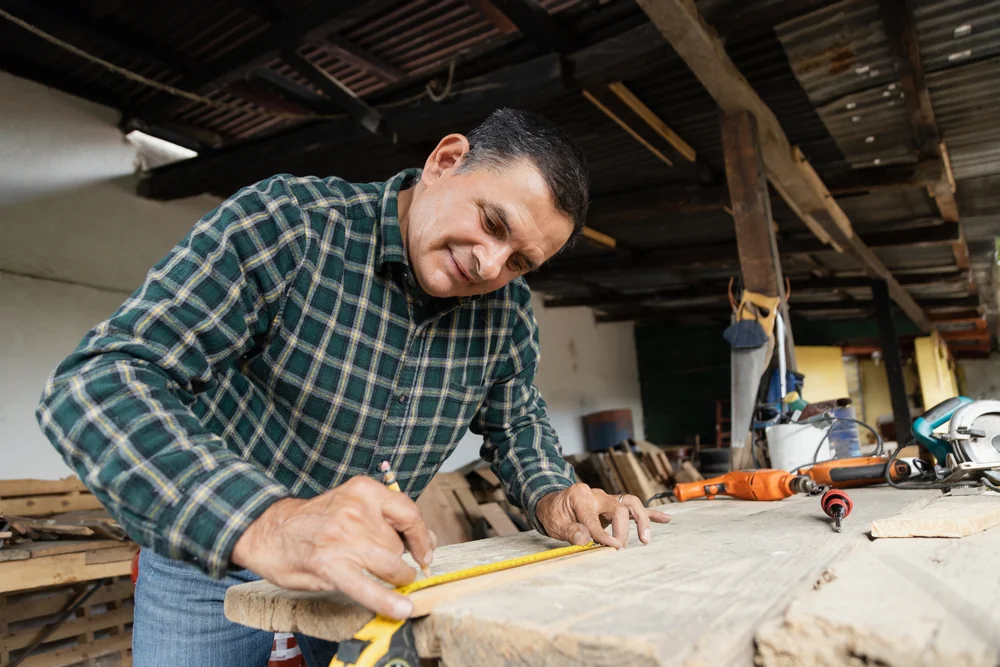
When buyers tour a home, they’re not pulling out a level or inspecting miter joints. But they notice when something feels off. Gaps in the trim. Baseboards that don’t match from room to room. Crown molding that stops and starts awkwardly. Doors that don’t close smoothly because the casings weren’t installed square.
These aren’t dealbreakers on their own, but they add up. A house that feels unfinished or poorly maintained makes buyers wonder what else was skipped. On the other hand, tight joints, consistent profiles, and trim that looks like it belongs tells buyers the home was cared for.
Past performance and reviews rank as the top concerns when buyers evaluate contractors, and the same logic applies to homes. If the visible work looks good, buyers assume the hidden work is solid too. If the trim work looks rushed, they start questioning everything else.
In Suffolk County, NY, where 80% of housing consists of single-family homes and most were built decades ago, finish carpentry is often what updates a home without erasing its character. You’re not gutting the place. You’re refining it. And that’s exactly what buyers in this market are looking for—homes that feel updated but not flipped.
The return isn’t always a one-to-one dollar figure. But homes with quality finish work spend less time on the market and attract buyers willing to pay for move-in-ready spaces. That’s worth more than most people realize.
If you’re renovating one room in a house built in 1975, you’ve got a problem most people don’t think about until it’s too late: your new trim won’t match the old trim. Modern profiles are different. Wood species have changed. Even if you find something close, the finish won’t look the same.
This is where finish carpentry separates itself from basic trim installation. A good carpenter can match existing profiles by either sourcing vintage stock or milling custom pieces. They’ll stain or paint new work to blend with the old so you can’t tell where the renovation stops and the original house begins.
It sounds like a small thing until you see a room where the baseboards are three different heights or the door casings don’t match the rest of the house. Suddenly it’s all you notice. And if you’re planning to sell, buyers will notice too.
In neighborhoods across Suffolk County, NY, where homes have history and buyers appreciate that history, matching existing details isn’t about being obsessive. It’s about respecting the home’s character while bringing it up to modern standards. You’re not trying to make a 1970s house look brand new. You’re making it look like it was always this good.
That requires someone who understands wood, finishes, and how homes age. It’s not a weekend DIY project. It’s skilled work that takes years to learn and a trained eye to execute. When it’s done right, no one notices. When it’s done wrong, everyone does.
Not every carpenter who can frame a wall can install crown molding that looks seamless. Finish carpentry is a different skill set. You need someone who’s meticulous, patient, and experienced enough to know how to adjust when walls aren’t straight or corners aren’t square.
The best way to evaluate a finish carpenter is to look at their past work. Not photos on a website—actual rooms they’ve completed. Check the corners. Look at how trim meets at angles. See if baseboards sit flush or if there are gaps. Ask if they do their own finish work or if they subcontract painting and staining.
In Suffolk County, NY, where homeowners expect quality and have options, the contractors who last are the ones who communicate clearly, show up when they say they will, and don’t surprise you with hidden costs. Finish carpentry takes time. If someone’s rushing or cutting corners to move on to the next job, you’ll see it in the final result.
We’ve built our reputation on exactly that—transparent communication, honest pricing, and work that holds up. Nearly a decade of hands-on experience means we’ve seen every quirk older homes throw at you and know how to handle it without drama or excuses. Whether it’s custom crown molding, wainscoting, or matching trim in a renovation, the work gets done right the first time.
You’re not paying for the cheapest bid. You’re paying for craftsmanship that makes your home feel the way you want it to feel—finished, intentional, and worth what you invested.
Summary:
Share: